
What is tinted sunscreen? It’s a skincare product that combines the protective properties of sunscreen with a hint of color, providing both sun protection and a sheer makeup finish. This innovative product is becoming increasingly popular among those who want to simplify their skincare routine while ensuring their skin is shielded from harmful UV rays.
The Importance of Sun Protection
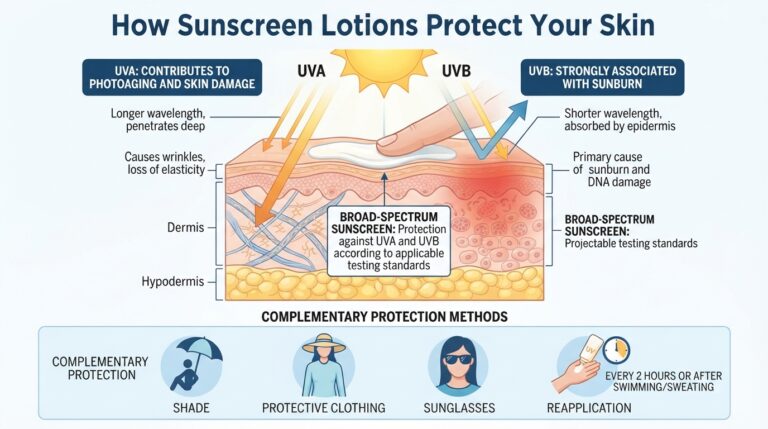
Before diving deeper into tinted sunscreen, it’s crucial to understand why sun protection is essential. The sun emits two types of harmful rays that can affect your skin:
- UVA Rays: These rays penetrate deep into the skin, leading to premature aging, wrinkles, and an increased risk of skin cancer.
- UVB Rays: Responsible for causing sunburn, UVB rays also contribute to skin cancer development.
Daily application of sunscreen is vital, regardless of the weather. It helps prevent skin damage and maintains overall skin health.
What is Tinted Sunscreen? A Closer Look
At its core, tinted sunscreen is a hybrid product that provides the benefits of traditional sunscreen while adding a hint of color to even out skin tone. It usually contains physical or chemical sun filters to protect against UV rays, along with pigments that provide a natural-looking tint.
How Does Tinted Sunscreen Work?
Tinted sunscreen works by using active ingredients that absorb or reflect UV radiation. Here’s how it functions:
- Active Ingredients: Tinted sunscreens often include ingredients like zinc oxide or titanium dioxide, which physically block UV rays, while others may incorporate chemical filters that absorb UV radiation.
- Color Pigments: The tint in the product typically comes from mineral pigments like iron oxides, which not only provide color but also offer additional protection against visible light.
- Moisturizing Agents: Many tinted sunscreens are formulated with hydrating ingredients, making them suitable for daily wear.
Benefits of Using Tinted Sunscreen
Using tinted sunscreen brings multiple advantages that cater to both skincare and cosmetic needs:
1. Dual Functionality
Tinted sunscreen serves as both a moisturizer and a makeup base. It simplifies your morning routine, allowing you to skip several layers of products.
2. Even Skin Tone
The tint helps to even out skin tone, providing a natural glow without the heaviness of traditional foundation. This is particularly beneficial for those who prefer a more minimalistic makeup look.
3. Lightweight Texture
Most tinted sunscreens have a lightweight texture that feels comfortable on the skin. They are less likely to clog pores, making them suitable for daily use.
4. Broad Spectrum Protection
Many tinted sunscreens offer broad-spectrum protection, shielding your skin from both UVA and UVB rays, essential for preventing skin damage.
5. Additional Skin Benefits
Some tinted sunscreens are formulated with antioxidants and vitamins that can help protect the skin from environmental stressors and promote skin health.
How to Choose the Right Tinted Sunscreen
When selecting a tinted sunscreen, consider the following factors to ensure you find the perfect match for your skin:
1. Skin Type
Your skin type plays a crucial role in determining the best tinted sunscreen for you:
- Oily Skin: Look for oil-free or matte-finish formulas to prevent shine.
- Dry Skin: Opt for hydrating tinted sunscreens that contain moisturizing ingredients.
- Sensitive Skin: Choose products with minimal ingredients and fragrance-free options to reduce irritation.
2. SPF Level
Check the SPF level of the tinted sunscreen. Dermatologists recommend using a product with at least SPF 30 to provide adequate protection.
3. Shade Selection
Tinted sunscreens come in various shades. It’s essential to find a shade that complements your natural skin tone. Many products offer a range of shades to suit different complexions.
4. Ingredients to Watch For
Be mindful of the ingredients in your tinted sunscreen. Look for:
- Mineral Filters: Zinc oxide and titanium dioxide are effective and less irritating for sensitive skin.
- Antioxidants: Ingredients like vitamin C and E help combat environmental damage.
- Hydrating Agents: Ingredients like hyaluronic acid or glycerin keep your skin moisturized.
Application Tips for Tinted Sunscreen
To maximize the benefits of tinted sunscreen, follow these application tips:
1. Shake Well
Before applying, give the product a good shake to ensure even distribution of the pigments and active ingredients.
2. Use Clean Hands or a Brush
Applying tinted sunscreen with clean fingers or a makeup brush helps achieve a more even application. Avoid using sponges, as they can absorb the product.
3. Apply Generously
Apply a generous amount to cover your entire face. A good rule of thumb is to use about a quarter-sized amount for your face and neck.
4. Blend Well
Blend the product evenly, working from the center of your face outward to ensure a seamless finish.
5. Reapply Regularly
Reapplication is key for effective sun protection. If you’re spending time outdoors, reapply every two hours, or more frequently if you’re swimming or sweating.
Common Misconceptions About Tinted Sunscreen
Despite the growing popularity of tinted sunscreen, several misconceptions persist:
1. It’s Only for Light Skin Tones
Many believe that tinted sunscreen is only suitable for fair skin. In reality, there are formulations available for a variety of skin tones, including darker complexions.
2. It Can Replace Traditional Sunscreen
While tinted sunscreen offers sun protection, it should not completely replace traditional sunscreen for extended sun exposure. Always ensure adequate SPF coverage for prolonged sun exposure.
3. It Doesn’t Provide Enough Coverage
Tinted sunscreens can provide a natural finish while offering sufficient coverage for minor imperfections. However, for significant coverage, a separate foundation may be necessary.
Top Tinted Sunscreen Recommendations
As you consider adding tinted sunscreen to your skincare routine, here are some top-rated options to explore:
| Product Name | Skin Type | SPF | Key Ingredients |
|---|---|---|---|
| EltaMD UV Clear Tinted Broad-Spectrum SPF 46 | Oily/Sensitive | 46 | Zinc Oxide, Niacinamide |
| La Roche-Posay Anthelios Mineral Tinted Sunscreen | All Skin Types | 50 | Mineral Filters, Antioxidants |
| IT Cosmetics Your Skin But Better CC+ Cream | Dry/Combination | 50 | Zinc Oxide, Hyaluronic Acid |
| Supergoop! Glowscreen SPF 40 | <