
As summer approaches and outdoor activities increase, many people reach for their sunscreen to protect their skin from harmful UV rays. But have you ever wondered, does expired sunscreen still work? Understanding the effectiveness of sunscreen past its expiration date is crucial for maintaining your skin’s health and safety.
Understanding Sunscreen and Its Purpose
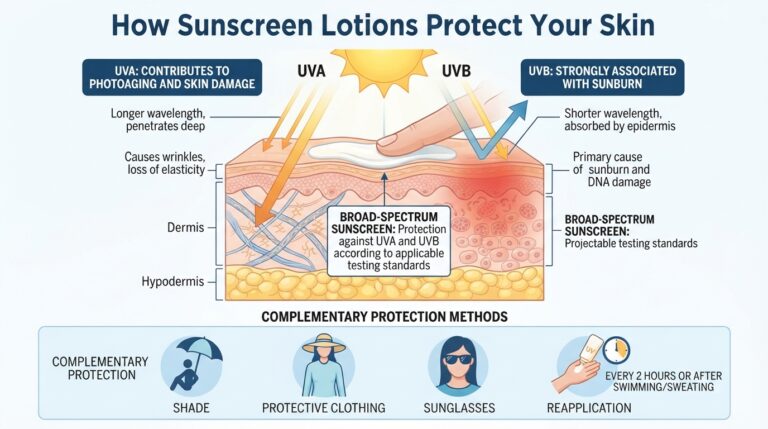
Sunscreen is designed to protect your skin from the sun’s ultraviolet (UV) rays, which can cause skin damage, sunburn, and increase the risk of skin cancer. There are two main types of UV rays:
- UVA rays: These rays penetrate deep into the skin, leading to premature aging and wrinkles.
- UVB rays: These rays are responsible for sunburn and play a significant role in developing skin cancer.
To effectively shield your skin, sunscreen products are formulated with various active ingredients, such as zinc oxide, titanium dioxide, avobenzone, and octisalate. These ingredients work by absorbing, reflecting, or scattering UV radiation.
The Importance of Expiration Dates
Like many personal care products, sunscreen comes with an expiration date. This date is the manufacturer’s guarantee that the product will maintain its stated effectiveness and safety up to that point. But what happens when sunscreen expires? Is it still effective, or should you toss it out?
What Happens to Sunscreen After Expiration?
Over time, the active ingredients in sunscreen can degrade, reducing their effectiveness. Factors that influence this degradation include:
- Storage Conditions: Exposure to heat, sunlight, and humidity can accelerate the breakdown of active ingredients.
- Packaging: Sunscreens in opaque bottles may last longer than those in clear bottles, as light can affect the formulation.
- Time: The longer a product sits on the shelf, the more likely it is to lose potency.
Generally, the FDA requires that sunscreens maintain their effectiveness for at least three years. After this period, the product may not provide the protection indicated on the label, particularly if it has not been stored properly.
Do Expired Sunscreens Still Work?
The big question remains: does expired sunscreen still work? While it may not be entirely ineffective, using expired sunscreen can be risky. Here’s why:
Potential Risks of Using Expired Sunscreen
1. **Reduced SPF Protection**: The primary concern with expired sunscreen is that it may not provide the stated level of sun protection factor (SPF). This means you could be at a higher risk of sunburn and skin damage.
2. **Skin Reactions**: The chemical composition of expired sunscreen can change, potentially leading to skin irritation or allergic reactions. Ingredients can break down into compounds that your skin may not respond well to.
3. **Inconsistent Performance**: If the sunscreen has separated or changed in consistency, it may not apply evenly, which can lead to uneven protection.
How to Determine If Your Sunscreen is Still Good
Before using expired sunscreen, consider the following indicators:
- Check the Expiration Date: If it’s past the expiration date, it’s best to discard it.
- Inspect the Packaging: Look for any damage to the bottle, such as cracks or leaks.
- Examine the Texture and Color: If the sunscreen has changed in color, has a strange odor, or has separated, it’s time to toss it.
Best Practices for Sunscreen Use
To ensure you’re getting the most out of your sunscreen and protecting your skin effectively, follow these best practices:
Choosing the Right Sunscreen
Select a broad-spectrum sunscreen with at least SPF 30. This provides adequate protection against both UVA and UVB rays. Additionally, consider the following:
- Water Resistance: If you plan to swim or sweat, choose a water-resistant formula.
- Skin Type Considerations: Opt for mineral-based sunscreens with zinc oxide for sensitive skin, while oily skin types may prefer gel-based options.
How to Apply Sunscreen Correctly
Proper application is just as important as choosing the right product. Here are steps to ensure effective coverage:
- Apply sunscreen generously to all exposed skin at least 15 minutes before sun exposure.
- Don’t forget hard-to-reach areas like your ears, back of the neck, and the tops of your feet.
- Reapply every two hours, or more frequently if you’re swimming or sweating.
When to Replace Your Sunscreen
Even if you don’t see an expiration date, it’s wise to replace your sunscreen regularly. Here are some guidelines:
- Replace sunscreen every summer season, even if it hasn’t expired, especially if it’s been opened.
- If you purchase a new sunscreen, consider discarding the old one to avoid mixing products.
- Keep track of your sunscreen’s age with a label or note when you opened it.
Conclusion
In summary, while expired sunscreen may still offer some level of protection, it is not guaranteed to be effective. To ensure the best protection for your skin, always check the expiration date, assess the product’s condition, and follow best practices for application and storage. By taking these precautions, you can enjoy your outdoor activities with confidence, knowing you are protecting your skin from potential harm.
Remember, effective sun protection is vital for long-term skin health, and using fresh, high-quality sunscreen is a key part of that equation. So, before heading out into the sun, take a moment to check your sunscreen and ensure it’s up to the task.