
When it comes to sun protection, a common question arises: is mineral or chemical sunscreen better? Understanding the differences between these two types of sunscreens is essential for making informed decisions about skincare and sun safety. In this article, we will delve into the benefits and drawbacks of mineral and chemical sunscreens, helping you choose the best option for your individual needs.
The Basics of Sunscreens
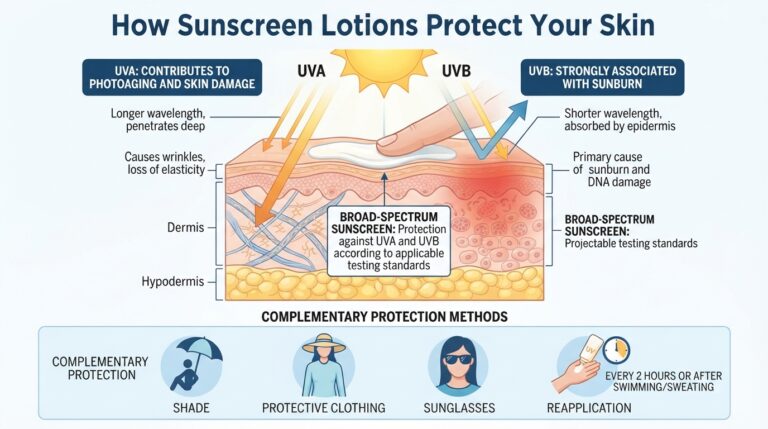
Sunscreens serve an essential role in protecting the skin from harmful ultraviolet (UV) rays. UV rays can lead to skin damage, premature aging, and even skin cancer. Sunscreens are formulated to either absorb, reflect, or scatter these rays, and they generally fall into two categories: mineral (physical) sunscreens and chemical sunscreens.
What Are Mineral Sunscreens?
Mineral sunscreens contain active mineral ingredients such as zinc oxide or titanium dioxide. These ingredients act as physical blockers, sitting on top of the skin and reflecting UV rays away. Here are some key characteristics of mineral sunscreens:
- Immediate Protection: Mineral sunscreens provide instant protection upon application.
- Less Irritating: They are often recommended for sensitive skin, as they are less likely to cause irritation and allergies.
- Environmentally Friendly: Mineral sunscreens are generally considered safer for marine life.
What Are Chemical Sunscreens?
Chemical sunscreens, on the other hand, contain organic compounds that absorb UV radiation. Common ingredients include avobenzone, octisalate, and octocrylene. Here are some features of chemical sunscreens:
- Absorption: Chemical sunscreens absorb UV rays and transform them into heat, which is then released from the skin.
- Cosmetic Appeal: They tend to be lighter and more easily absorbed, making them appealing for daily wear under makeup.
- Variety of Formulations: Chemical sunscreens come in various forms, including gels, sprays, and lotions.
Comparing Mineral and Chemical Sunscreens
Now that we have defined both types of sunscreens, let’s dive deeper into the advantages and disadvantages of each, helping to answer the question: is mineral or chemical sunscreen better?
Effectiveness
Both types of sunscreens can be effective at protecting your skin from UV radiation, but their effectiveness can vary based on several factors:
- Broad-Spectrum Protection: Ensure that either type you choose offers broad-spectrum protection, guarding against both UVA and UVB rays.
- SPF Rating: Look for a sunscreen with at least SPF 30 for optimal protection.
Skin Sensitivity
For individuals with sensitive skin, mineral sunscreens are often recommended due to their soothing properties. However, some people may react to certain chemical ingredients. Here’s a quick comparison:
| Aspect | Mineral Sunscreen | Chemical Sunscreen |
|---|---|---|
| Irritation Risk | Lower | Higher |
| Skin Types | Sensitive/Allergy-Prone | Normal/Oily |
Application and Feel
Many users prefer the feel of one type over the other. Chemical sunscreens often absorb quickly and leave little to no residue, while mineral sunscreens can leave a white cast due to the physical blockers. Here are some considerations:
- Mineral Sunscreens: May require more effort to blend and can leave a white residue, especially on darker skin tones.
- Chemical Sunscreens: Generally lighter and less visible on the skin, making them more suitable for daily wear.
Environmental Impact
As awareness of environmental issues grows, many consumers are concerned about the impact of their skincare products. Here’s how mineral and chemical sunscreens stack up:
- Mineral Sunscreens: Often considered safer for coral reefs and marine ecosystems. They do not contain harmful ingredients that can contribute to coral bleaching.
- Chemical Sunscreens: Some ingredients, like oxybenzone and octinoxate, have been linked to coral reef damage, leading to bans in specific locations.
Choosing the Right Sunscreen for You
Deciding between mineral and chemical sunscreen ultimately comes down to your individual skin type, lifestyle, and personal preferences. Here are some tips to help you make the best choice:
- For Sensitive Skin: Opt for mineral sunscreen to minimize irritation.
- For Daily Use Under Makeup: Consider chemical sunscreen for a lightweight feel.
- For Outdoor Activities: Both types can be effective, but look for water-resistant formulations.
Application Tips for Optimal Protection
No matter which type of sunscreen you choose, proper application is key to effective sun protection. Follow these guidelines:
- Apply sunscreen at least 15 minutes before sun exposure.
- Use about one ounce (the size of a shot glass) to cover your entire body.
- Reapply every two hours, or immediately after swimming or sweating.
- Don’t forget areas like ears, neck, and the tops of your feet.
Conclusion
So, is mineral or chemical sunscreen better? The answer is not straightforward, as it depends on your skin type, lifestyle, and personal preferences. Mineral sunscreens are often favored for sensitive skin and environmental concerns, while chemical sunscreens are appreciated for their lightweight feel and ease of application. Regardless of the choice, the most important factor is to use sunscreen daily to protect against harmful UV rays. By understanding the differences and benefits of each type, you can make an informed decision that best suits your needs.