
When it comes to skincare, many people wonder, what does tinted sunscreen do? Tinted sunscreen serves a dual purpose: it protects your skin from harmful UV rays while providing a subtle tint that can even out your skin tone. In this article, we’ll delve into the benefits, ingredients, and application techniques of tinted sunscreen, ensuring you are well-informed for your next purchase.
Understanding Tinted Sunscreen
Tinted sunscreen is a unique product that combines sun protection with a hint of color. The tint in the formula helps to mask imperfections, providing a more uniform appearance. This product is especially popular among individuals looking for a lightweight foundation alternative or those who prefer a natural look. But beyond aesthetics, tinted sunscreen plays a crucial role in skincare.
How Tinted Sunscreen Works
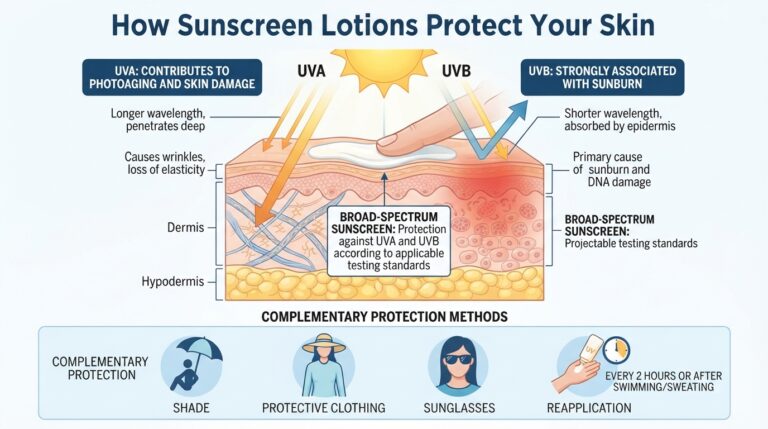
The primary function of tinted sunscreen is to shield the skin from ultraviolet (UV) radiation. UV radiation is classified into two types: UVA and UVB. While UVA rays penetrate deep into the skin and contribute to premature aging, UVB rays are responsible for sunburn. Tinted sunscreens typically contain physical blockers such as zinc oxide or titanium dioxide that reflect UV rays, alongside other beneficial ingredients.
Key Ingredients in Tinted Sunscreen
A quality tinted sunscreen will contain a combination of the following ingredients:
- Zinc Oxide: A mineral that provides broad-spectrum UV protection.
- Titanium Dioxide: Another mineral that offers physical sun protection.
- Antioxidants: Ingredients like vitamin C and E that help combat free radicals and environmental damage.
- Moisturizers: Ingredients such as hyaluronic acid or glycerin that keep skin hydrated.
- Color pigments: Natural or synthetic pigments that provide tint and help even out skin tone.
Benefits of Using Tinted Sunscreen
Tinted sunscreen offers a myriad of benefits that go beyond simple sun protection. Here are some reasons why you might want to incorporate it into your daily skincare regimen:
1. Enhanced Protection Against UV Rays
Tinted sunscreen provides broad-spectrum protection against both UVA and UVB rays. Some studies suggest that the addition of pigments can enhance the level of protection, as they may absorb some of the visible light that can cause skin damage.
2. Even Skin Tone
The tint in tinted sunscreen can help even out skin tone and cover minor blemishes, redness, and discoloration. This makes it an excellent choice for those who prefer a natural, makeup-free look.
3. Lightweight Alternative to Foundation
For individuals who dislike heavy makeup, tinted sunscreen acts as a lightweight alternative to foundation. It provides just enough coverage to enhance your complexion without feeling cakey.
4. Hydration for the Skin
Many tinted sunscreens contain moisturizing ingredients, making them ideal for those with dry skin. This added hydration can help keep your skin supple and healthy throughout the day.
5. Convenient All-in-One Solution
Tinted sunscreen simplifies your morning routine by combining sun protection, hydration, and light coverage in one product. This is particularly beneficial for busy individuals or those seeking a streamlined skincare regimen.
How to Choose the Right Tinted Sunscreen
With so many options available, selecting the right tinted sunscreen can feel overwhelming. Here are some factors to consider when making your choice:
Skin Type
Your skin type plays a crucial role in choosing the right tinted sunscreen. Consider the following:
- Oily Skin: Look for oil-free formulas that offer a matte finish.
- Dry Skin: Opt for tinted sunscreens with hydrating ingredients to keep your skin moisturized.
- Sensitive Skin: Choose mineral-based tinted sunscreens, as they are less likely to cause irritation.
SPF Level
When selecting a tinted sunscreen, always check the SPF level. Dermatologists recommend using a product with at least SPF 30 for adequate protection against UV rays. The higher the SPF, the more protection it offers.
Shade Selection
Choose a shade that closely matches your natural skin tone. Many brands offer a range of shades, so don’t hesitate to test them out in-store or read reviews for guidance on color matching.
Ingredients
Always read the ingredient list to ensure it aligns with your skincare needs and preferences. This is particularly important if you have allergies or sensitivities. Look for products free of parabens, fragrances, and other potential irritants.
Application Tips for Tinted Sunscreen
Proper application is key to maximizing the benefits of tinted sunscreen. Follow these tips for optimal results:
1. Start with Clean Skin
Before applying tinted sunscreen, wash your face with a gentle cleanser to remove any dirt, oil, or makeup residue. Pat your skin dry with a clean towel.
2. Use a Moisturizer
If you have dry skin, apply a lightweight moisturizer before your tinted sunscreen. This will ensure your skin remains hydrated throughout the day.
3. Apply Generously
Use a sufficient amount of tinted sunscreen; typically, a nickel-sized dollop for your face is recommended. Make sure to cover all exposed areas, including your neck and ears.
4. Blend Well
Use your fingers, a makeup sponge, or a brush to blend the tinted sunscreen evenly into your skin. Pay attention to areas around your nose and hairline for a seamless finish.
5. Reapply Regularly
To maintain sun protection, reapply tinted sunscreen every two hours, especially if you are outdoors or sweating. This is crucial for keeping your skin shielded from UV rays.
Common Myths About Tinted Sunscreen
As with any skincare product, several myths surround tinted sunscreen. Let’s debunk a few:
Myth 1: Tinted Sunscreen is Only for Fair Skin
While many tinted sunscreens come in shades that cater to lighter skin tones, there are plenty of options available for darker skin tones as well. Brands are increasingly recognizing the importance of inclusivity in their product lines.
Myth 2: Tinted Sunscreen is Just Makeup
Although tinted sunscreen can provide coverage similar to makeup, it serves a functional purpose by protecting the skin from UV rays. It is essential to view it as both a skincare and cosmetic product.
Myth 3: You Don’t Need Sunscreen on Cloudy Days
UV rays can penetrate clouds, meaning that even on overcast days, sun protection is necessary. Tinted sunscreen should be part of your daily routine, regardless of the weather.
Conclusion
In conclusion, understanding what tinted sunscreen does is crucial for anyone looking to enhance their skincare routine. Not only does it protect your skin from harmful UV rays, but it also helps to achieve a balanced, even complexion. By choosing the right product and applying it correctly, you can enjoy the multitude of benefits that tinted sunscreen offers. As you navigate through the variety of options, remember that taking care of your skin should always be a priority. With tinted sunscreen, you can feel confident knowing that you’re giving your skin the protection it deserves while looking effortlessly radiant.