
In recent years, the term “biodegradable sunscreen” has gained significant attention as more people become aware of the impact traditional sunscreens have on marine ecosystems and our health. But what is biodegradable sunscreen? At its core, biodegradable sunscreen is a type of sun protection product formulated with ingredients that break down naturally in the environment, minimizing harm to aquatic life and ecosystems.
The Importance of Sunscreen
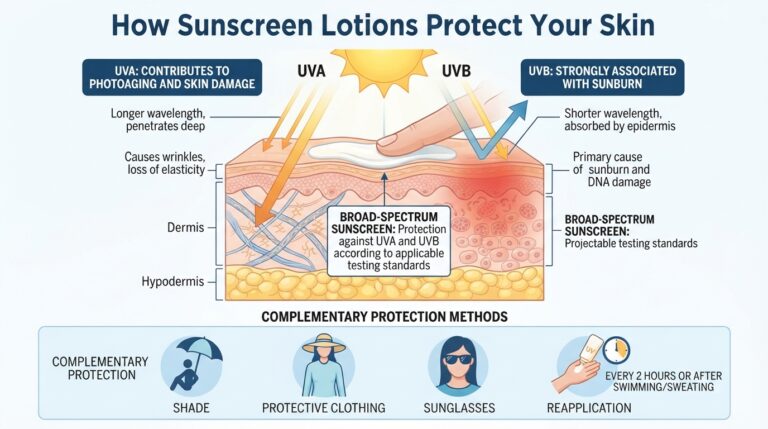
Before diving deeper into biodegradable options, it’s essential to understand the role of sunscreen in our daily lives. Sunscreen is crucial for protecting our skin from harmful ultraviolet (UV) rays, which can lead to skin damage, premature aging, and an increased risk of skin cancer. The American Academy of Dermatology recommends using a broad-spectrum sunscreen with an SPF of 30 or higher, even on cloudy days.
Why Choose Biodegradable Sunscreen?
As awareness of environmental issues grows, more consumers are seeking products that align with their values. Here are some compelling reasons to choose biodegradable sunscreen:
- Environmental Protection: Traditional sunscreens often contain harmful chemicals that can damage coral reefs and marine life. Biodegradable options use natural ingredients that break down without causing harm.
- Healthier Skin: Many biodegradable sunscreens avoid synthetic chemicals, making them a gentler choice for sensitive skin.
- Regulatory Compliance: Some regions have begun banning harmful sunscreen ingredients, making biodegradable options not just environmentally friendly, but also compliant with regulations.
Common Ingredients in Biodegradable Sunscreens
Biodegradable sunscreens typically use natural minerals and organic ingredients. Here are some common components:
- Zinc Oxide: A physical blocker that sits on the skin and reflects UV rays.
- Titanium Dioxide: Another mineral that provides broad-spectrum protection.
- Natural Oils: Ingredients like coconut oil, jojoba oil, and shea butter not only provide hydration but can also offer some level of sun protection.
- Botanical Extracts: Many biodegradable sunscreens incorporate plant extracts that possess natural antioxidant properties.
How Biodegradable Sunscreen Works
Biodegradable sunscreens work primarily through physical UV blockers like zinc oxide and titanium dioxide. These minerals create a barrier on the skin that reflects UV radiation, preventing it from penetrating the skin. Unlike chemical sunscreens, which absorb UV rays, biodegradable options are less likely to cause skin irritation and are safer for the environment.
Comparison of Biodegradable vs. Traditional Sunscreens
| Feature | Biodegradable Sunscreen | Traditional Sunscreen |
|---|---|---|
| Active Ingredients | Zinc Oxide, Titanium Dioxide | Chemical Filters (Oxybenzone, Avobenzone) |
| Environmental Impact | Low | High (coral reef damage) |
| Skin Sensitivity | Less Irritating | Can Cause Irritation |
| Application | Thicker consistency, may leave a white cast | Sheer, smooth application |
Choosing the Right Biodegradable Sunscreen
When selecting a biodegradable sunscreen, consider the following factors to ensure you make an informed choice:
- SPF Rating: Look for a sunscreen with an SPF of at least 30 for adequate protection.
- Water Resistance: If you plan to swim or sweat, choose a water-resistant formula.
- Ingredient List: Check for harmful additives and opt for products with natural, recognizable ingredients.
- Brand Transparency: Choose brands that are open about their sourcing and production processes.
Popular Biodegradable Sunscreen Brands
Several brands have embraced the biodegradable sunscreen trend, providing effective and eco-friendly options. Here are a few popular ones:
- Raw Elements: Known for its commitment to natural ingredients, Raw Elements offers a range of biodegradable sunscreens.
- SunBum: Their biodegradable options are formulated for both effectiveness and environmental safety.
- Badger: Badger’s sunscreens are made with certified organic ingredients and are free from harmful chemicals.
- Thinksport: A favorite among athletes, Thinksport’s biodegradable sunscreen is both effective and eco-conscious.
How to Apply Biodegradable Sunscreen Correctly
To maximize the effectiveness of biodegradable sunscreen, follow these application tips:
- Apply Generously: Use about a shot glass full of sunscreen for full-body coverage.
- Apply Before Sun Exposure: Apply the sunscreen 15 to 30 minutes before heading outdoors to allow it to absorb properly.
- Reapply Regularly: Reapply every two hours, or more often if swimming or sweating.
- Don’t Forget Areas: Pay attention to often-missed areas like the ears, back of the neck, and feet.
Environmental Impact of Conventional Sunscreens
Research shows that many traditional sunscreens contain ingredients like oxybenzone and octinoxate, which have been linked to coral bleaching and marine toxicity. According to a study published in the journal Environmental Health Perspectives, these chemicals can disrupt marine ecosystems, posing a significant risk to coral reefs and aquatic life. In fact, it is estimated that around 14,000 tons of sunscreen wash off into coral reefs each year.
Future of Biodegradable Sunscreen
As the demand for environmentally friendly products rises, the future of biodegradable sunscreen appears promising. Many brands are investing in research and development to create innovative formulas that provide effective sun protection without compromising environmental integrity. The movement toward biodegradable options signals a shift in consumer preferences towards sustainability, pushing manufacturers to adopt safer, eco-friendly practices.
Conclusion
In a world where environmental concerns are increasingly pressing, biodegradable sunscreen offers a viable solution for protecting both your skin and the planet. By choosing biodegradable options, you can enjoy the sun responsibly while minimizing your ecological footprint. As you explore sunscreens for your next beach day or outdoor adventure, consider the benefits of biodegradable products and make a choice that aligns with your values. Together, we can protect our skin and our precious ecosystems.