
As summer approaches, many people find themselves asking, “Can I still tan with sunscreen?” It’s a common concern for sunbathers who want to achieve that coveted golden glow while also protecting their skin from harmful UV rays. In this comprehensive guide, we will explore the relationship between sunscreen and tanning, how to use sunscreen effectively, and the importance of skin protection.
The Science of Tanning
Tanning is a natural response to UV exposure. When your skin is exposed to ultraviolet (UV) radiation, it produces more melanin, the pigment responsible for skin color. This increased melanin production results in a darker complexion, which many people associate with beauty and health. However, it’s crucial to understand the types of UV rays and their effects on your skin.
Understanding UV Rays
There are two main types of UV rays that affect your skin:
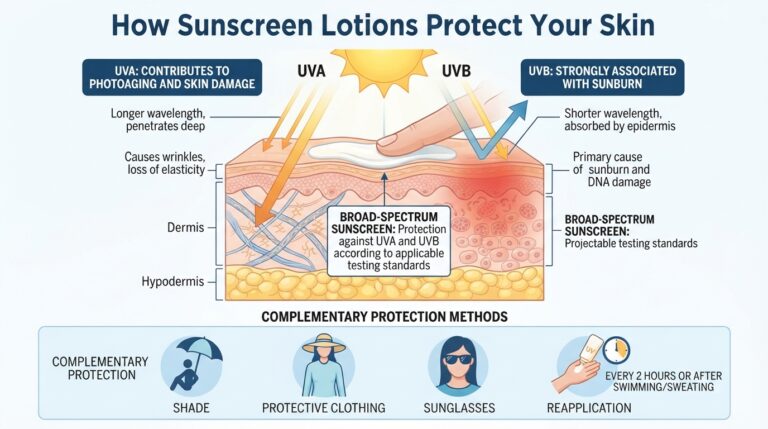
- UVA Rays: These rays penetrate deep into the skin and are primarily responsible for premature aging and skin cancers. They can cause tanning but also contribute to skin damage.
- UVB Rays: These rays are responsible for causing sunburn and play a significant role in developing skin cancer. They also stimulate melanin production, leading to tanning.
How Sunscreen Works
Sunscreen acts as a protective barrier against UV rays. It contains active ingredients that either absorb or reflect UV radiation, reducing the amount that reaches your skin. Understanding the SPF (Sun Protection Factor) of your sunscreen can help you choose the right product for your needs.
What Does SPF Mean?
SPF measures how well a sunscreen can protect against UVB rays, which are the primary cause of sunburn. Here’s a simple breakdown of SPF levels:
| SPF Level | Protection Duration | UVB Protection |
|---|---|---|
| 15 | Up to 150 minutes | 93% |
| 30 | Up to 300 minutes | 97% |
| 50 | Up to 500 minutes | 98% |
Can I Still Tan with Sunscreen?
The short answer is yes, you can still tan while using sunscreen. However, the extent of your tan will depend on several factors, including:
1. The SPF Level
The higher the SPF, the more UVB rays are blocked, which means less stimulation for melanin production. For example, if you use SPF 30, you may tan less than if you were using SPF 15.
2. Application Amount and Frequency
Most people do not apply enough sunscreen. The recommended amount is about one ounce (enough to fill a shot glass) for full-body coverage. Additionally, you should reapply sunscreen every two hours, or more often if swimming or sweating.
3. Skin Type
Your natural skin type also plays a role in how easily you tan. Fair-skinned individuals may not tan as readily as those with darker skin tones. However, everyone can still achieve some level of tanning, albeit with varying degrees of effectiveness.
Safe Tanning Practices
If you’re looking to tan while minimizing skin damage, consider the following tips:
1. Choose Broad-Spectrum Sunscreen
Select a broad-spectrum sunscreen that protects against both UVA and UVB rays. This will help reduce the risk of skin damage while allowing for some tanning.
2. Gradual Exposure
Instead of long periods of sun exposure, opt for shorter intervals throughout the day. This can help you achieve a tan without overwhelming your skin.
3. Stay Hydrated
Drinking plenty of water keeps your skin hydrated and can help maintain its elasticity, making it look healthy and glowing.
Understanding the Risks of Tanning
While many people seek a tan, it’s essential to consider the potential risks involved. Tanning can lead to:
1. Skin Damage
Excessive UV exposure can lead to sunburn, premature aging, and skin cancer. It’s important to weigh the aesthetic benefits against these serious health risks.
2. Tanning Beds
Artificial tanning beds emit UV radiation and can be even more harmful than natural sunlight. If you are looking for a tan, consider safer alternatives like self-tanners or bronzers.
Alternatives to Tanning
If you’re concerned about the risks associated with tanning, there are several alternatives you might consider:
1. Self-Tanning Products
Self-tanners, lotions, and sprays can provide a sun-kissed glow without the harmful effects of UV exposure. These products contain dihydroxyacetone (DHA), which reacts with the skin’s amino acids to create a bronzed appearance.
2. Spray Tans
Professional spray tans are another option. They provide an even tan without exposing your skin to UV rays.
3. Tanning Lotions
Many lotions contain bronzers that can give your skin a temporary tan. These products wash off easily and are safe for your skin.
Conclusion
So, can you still tan with sunscreen? Yes, but it’s essential to approach tanning with caution. Using sunscreen is crucial for protecting your skin from harmful UV rays, but it may also limit the depth of your tan depending on the SPF and application method. By understanding the science behind tanning and incorporating safe sun practices, you can enjoy the sun while keeping your skin healthy. Always prioritize skin protection and consider alternatives if you’re concerned about the risks associated with UV exposure.