
As the sun begins to shine brighter, many of us reach for our trusted sunscreen to protect our skin. However, a common question arises: how long is sunscreen good for after the expiration date? This concern is more than just a minor detail; using expired sunscreen can significantly impact your skin’s safety. In this article, we will explore the ins and outs of sunscreen expiration, how to tell if your sunscreen is still effective, and tips for proper sun protection.
The Importance of Sunscreen
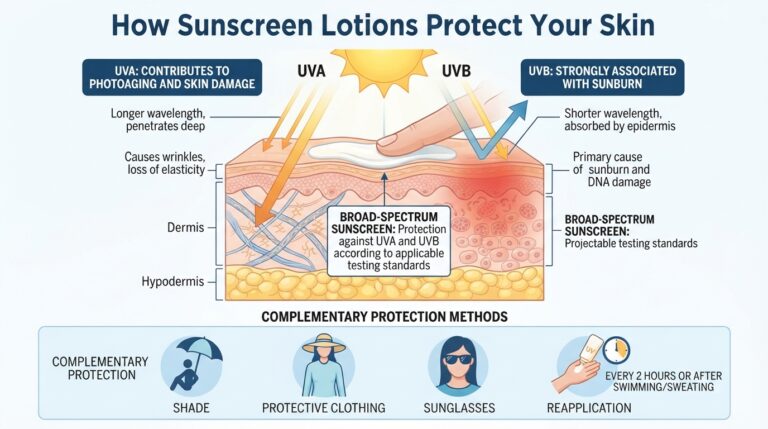
Sunscreen is an essential part of any skincare routine, especially during the warmer months. It protects your skin from the harmful rays of the sun, which can cause:
- Sunburn
- Skin cancer
- Premature aging
- Skin discoloration
Despite its importance, many people overlook the expiration date on their sunscreen bottles. This oversight can lead to inadequate protection, increasing the risk of skin damage. Understanding how long sunscreen is effective after its expiration date is crucial for maintaining skin health.
What Does the Expiration Date Mean?
The expiration date on a sunscreen product indicates the period during which the manufacturer guarantees the product’s effectiveness. After this date, the active ingredients may begin to degrade, resulting in reduced protection against UV rays. Most sunscreens are formulated to last for three years from the date of manufacture, but this can vary based on the type of formula and storage conditions.
How Long is Sunscreen Good for After the Expiration Date?
Generally, it is recommended to avoid using sunscreen after its expiration date. While some studies suggest that certain sunscreens may still offer some level of protection for a short time post-expiration, this is not guaranteed. Factors influencing the effectiveness of expired sunscreen include:
- Type of active ingredients
- Storage conditions (temperature, humidity)
- Container integrity
In practical terms, it’s best not to rely on expired sunscreen. If you find an old bottle in your cabinet, it’s safer to replace it rather than risk inadequate sun protection.
Signs Your Sunscreen Has Expired
Beyond the expiration date, there are several indicators that can help you determine whether your sunscreen has gone bad:
- Change in Texture: If your sunscreen has become chunky or separated, it’s a sign that it may no longer be effective.
- Altered Smell: A rancid or off smell can indicate that the product has degraded.
- Discoloration: If the color of the sunscreen has changed significantly, it might be time to toss it out.
Proper Storage of Sunscreen
To maximize the shelf life of your sunscreen, proper storage is essential. Here are some tips:
- Store in a Cool, Dry Place: Avoid leaving sunscreen in hot areas like your car, as heat can accelerate the degradation of active ingredients.
- Avoid Direct Sunlight: Keep your sunscreen in a shaded area to prevent exposure to UV rays, which can also cause it to break down faster.
- Keep the Cap Tight: Ensure the lid is securely closed to prevent contamination or evaporation of the product.
FAQs About Sunscreen Expiration
Can I use sunscreen after the expiration date if it looks and smells fine?
While it may seem fine, using sunscreen after its expiration date is risky. The active ingredients may not provide adequate protection, even if the product appears normal.
How can I tell when my sunscreen was manufactured?
Manufacturers often include a lot number on the packaging, which can be used to determine the production date. You can also check the manufacturer’s website or contact customer service for assistance.
What happens if I use expired sunscreen?
Using expired sunscreen can lead to insufficient protection against UV rays, increasing your risk of sunburn and skin damage. It’s always better to err on the side of caution and use a fresh product.
Best Practices for Sunscreen Application
Applying sunscreen correctly is just as important as using a non-expired product. Here are some best practices:
- Apply Generously: Use enough product to cover all exposed skin. The general recommendation is about one ounce (a shot glass full) for full body coverage.
- Reapply Frequently: Reapply every two hours, or more often if swimming or sweating.
- Use Broad-Spectrum Protection: Choose a sunscreen that offers protection against both UVA and UVB rays.
- Check the SPF: Use a sunscreen with at least SPF 30 for adequate protection.
The Bottom Line: Prioritize Your Skin Health
Understanding how long sunscreen is good for after the expiration date is crucial in ensuring you maintain effective sun protection. While it may be tempting to use that old bottle of sunscreen, the risks associated with expired products far outweigh any potential savings. By following the guidelines outlined in this article, you can ensure that your skin remains protected from the sun’s harmful rays.
Remember, your skin’s health is paramount. Always check the expiration date, store your sunscreen properly, and replace it regularly. With the right care and attention, you can enjoy the sun safely and confidently.