
When it comes to skincare, the question “can I use sunscreen as a moisturizer?” is one that many people find themselves asking. With the growing awareness of the importance of sun protection, understanding the role of sunscreen in your daily routine is essential. While both moisturizers and sunscreens serve crucial functions, they are not always interchangeable. This article delves into the benefits and drawbacks of using sunscreen as a moisturizer, helping you make informed choices for your skincare regimen.
The Role of Sunscreen in Your Skincare Routine
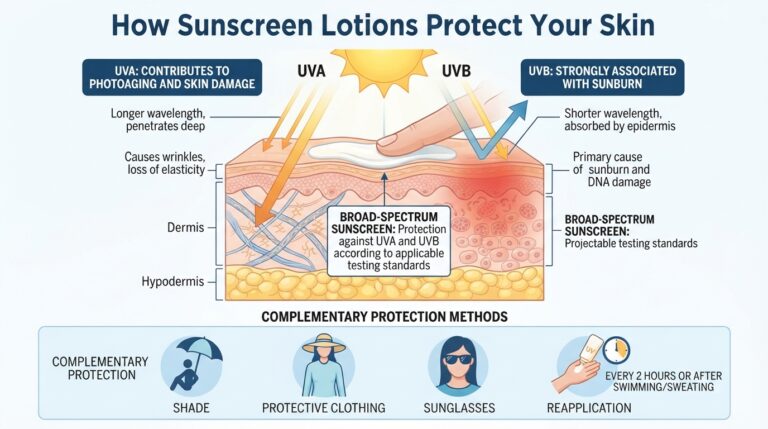
Sunscreen is designed to protect your skin from harmful ultraviolet (UV) radiation, which can lead to premature aging and skin cancer. Here are some key points about sunscreen:
- Types of UV Radiation: Sunscreens protect against UVA (aging) and UVB (burning) rays.
- SPF Ratings: The Sun Protection Factor (SPF) indicates the level of protection. An SPF of 30 blocks about 97% of UVB rays.
- Application: It should be applied generously and regularly, especially during prolonged sun exposure.
Understanding Moisturizers
Moisturizers, on the other hand, are designed to hydrate and maintain the skin’s moisture barrier. They can come in various forms, including creams, lotions, and gels. Here’s what you should know:
- Purpose: Moisturizers are formulated to hydrate, soothe, and protect the skin.
- Ingredients: Common ingredients include hyaluronic acid, glycerin, oils, and butters.
- Skin Types: Different moisturizers cater to various skin types, such as oily, dry, combination, or sensitive skin.
The Pros of Using Sunscreen as a Moisturizer
While sunscreen and moisturizers serve different purposes, there are some benefits to using sunscreen as a moisturizer:
1. Convenience
Using a sunscreen that doubles as a moisturizer can simplify your skincare routine. This is particularly beneficial for those with busy lifestyles or who prefer a minimalist approach.
2. Hydration
Many modern sunscreens are formulated with hydrating ingredients. This means they can provide adequate moisture while also protecting against UV rays.
3. Daily Protection
Combining sunscreen and moisturizer can encourage more consistent use of sunscreen, helping to protect your skin from sun damage every day.
The Cons of Using Sunscreen as a Moisturizer
Despite the benefits, there are also several drawbacks to consider:
1. Insufficient Moisture
Not all sunscreens provide the same level of hydration as dedicated moisturizers. If you have dry skin, a sunscreen may not deliver the moisture your skin needs.
2. Skin Type Compatibility
Some sunscreens can be heavy or greasy, which may not suit all skin types, particularly those with oily or acne-prone skin.
3. Product Formulation
Many sunscreens contain ingredients that may irritate sensitive skin or cause breakouts. Always check the ingredient list before switching.
Choosing the Right Product: Sunscreen vs. Moisturizer
When deciding whether to use sunscreen as a moisturizer, consider the following factors:
1. Skin Type
Your skin type plays a vital role in product selection. If you have dry skin, you may need a separate, richer moisturizer. Conversely, those with oily skin might find a lightweight sunscreen suitable for their needs.
2. Activity Level
If you spend a lot of time outdoors or engage in vigorous activities, a dedicated sunscreen may provide better protection. Look for products labeled as broad-spectrum to ensure comprehensive coverage.
3. Ingredients
Check the labels for hydrating ingredients in sunscreens. Look for products that contain:
- Hyaluronic acid
- Glycerin
- Natural oils like jojoba or argan oil
Expert Recommendations
Skincare experts often recommend a multi-step routine for optimal results. Here’s a simple guide:
Morning Routine
- Cleanser: Start with a gentle cleanser to remove impurities.
- Moisturizer: Apply a suitable moisturizer based on your skin type.
- Sunscreen: Finish with a broad-spectrum sunscreen with at least SPF 30.
Evening Routine
- Cleanser: Use a cleanser to remove makeup and sunscreen.
- Moisturizer: Apply a nighttime moisturizer or treatment that caters to your skin’s needs.
Are There Dual-Function Products Available?
Yes! Many brands now offer products that combine sunscreen and moisturizer, often referred to as “moisturizing sunscreens.” Here are some features to look for:
| Product Feature | Benefit |
|---|---|
| Hydrating Ingredients | Provides moisture while protecting the skin. |
| Non-Comedogenic | Prevents clogged pores, suitable for acne-prone skin. |
| Lightweight Formula | Ensures a comfortable feel without greasiness. |
Common Misconceptions About Sunscreen and Moisturizers
There are several myths surrounding the use of sunscreen and moisturizers. Let’s debunk a few:
1. Sunscreen is Only for Sunny Days
This is false. UV rays can penetrate clouds and affect your skin even on overcast days.
2. You Don’t Need Sunscreen Indoors
Even indoor lighting can emit UV rays; therefore, wearing sunscreen daily is crucial.
3. All Sunscreens Are the Same
Sunscreens vary in formulation, effectiveness, and suitability for skin types. Always choose a product that aligns with your specific skin needs.
Conclusion
In conclusion, while you may wonder, “can I use sunscreen as a moisturizer?” the answer depends on various factors, including your skin type, lifestyle, and the specific products you use. While some sunscreens can provide adequate hydration, a dedicated moisturizer may still be necessary for optimal skin health, especially for those with dry or sensitive skin. Always pay attention to your skin’s needs and choose products that offer the best protection and hydration for you.
Ultimately, a well-rounded skincare routine that incorporates both moisturizer and sunscreen will give your skin the care it deserves. Stay informed, be proactive, and enjoy the benefits of healthy, protected skin!