
Summer days and beach vacations remind us of the importance of sunscreen, but have you ever wondered what happens when sunscreen expires? Using expired sunscreen can leave your skin vulnerable to sun damage and other risks. In this article, we will delve into the implications of using expired sunscreen and provide you with essential tips to keep your skin protected.
Understanding Sunscreen Ingredients
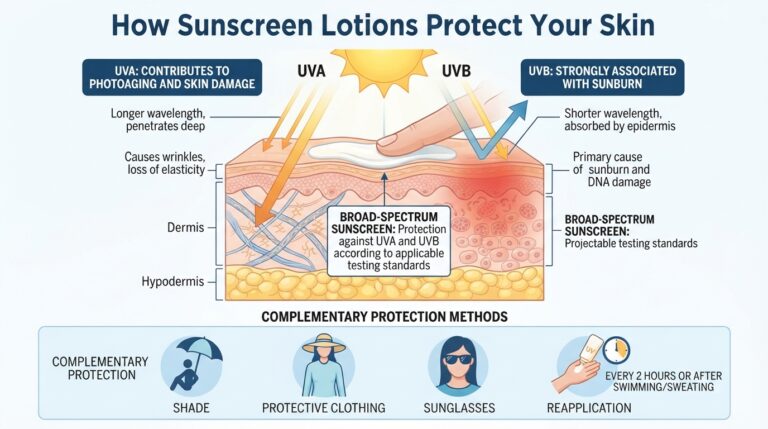
Before we discuss expiration, it’s crucial to understand what makes sunscreen effective. Sunscreens are formulated with active ingredients that protect your skin from harmful ultraviolet (UV) rays. These ingredients can be categorized into two main types:
- Chemical Filters: These absorb UV radiation and transform it into heat, which is then released from the skin. Common chemical filters include avobenzone, octisalate, and octocrylene.
- Physical (Mineral) Filters: These ingredients, like zinc oxide and titanium dioxide, sit on the skin’s surface and reflect UV radiation away. They are often recommended for sensitive skin.
The Importance of Expiration Dates
Most sunscreens come with an expiration date printed on the bottle, usually found on the label or the bottom of the container. This date is crucial because it indicates the period during which the product will maintain its effectiveness and safety.
According to the FDA, if a sunscreen is labeled as SPF 15 or higher and has been tested for stability, it should remain effective for at least three years from the date of manufacture. However, several factors can influence the longevity of sunscreen, including:
- Type of packaging
- Storage conditions
- Exposure to sunlight and heat
What Happens When Sunscreen Expires?
So, what really happens when sunscreen expires? Let’s break it down:
1. Decreased Effectiveness
One of the primary risks of using expired sunscreen is decreased effectiveness. The active ingredients may break down over time, reducing their ability to protect your skin from UV rays. Studies show that the potency of chemical filters diminishes significantly after the expiration date, which means you might not be getting the level of protection indicated on the label.
2. Chemical Changes
Expired sunscreens can undergo chemical changes that may not only render them ineffective but potentially harmful as well. For example:
- Chemical filters can degrade into less effective compounds or even harmful substances.
- Physical sunscreens may separate or clump together, reducing their ability to provide a uniform barrier against UV radiation.
3. Skin Reactions
Using expired sunscreen can also increase the risk of skin reactions. Some potential issues include:
- Skin irritation or redness
- Allergic reactions, especially in those with sensitive skin
- Increased likelihood of sunburn due to ineffective protection
How to Determine if Sunscreen is Expired
Here are some simple steps to help you determine if your sunscreen is still good to use:
- Check the Expiration Date: Always start by checking the date printed on the label.
- Assess the Packaging: Look for any signs of damage or leakage in the container, which can indicate that the product has been compromised.
- Smell Test: If your sunscreen has a strange or rancid smell, it’s best to discard it.
- Texture Check: If the consistency has changed (e.g., it has separated, clumped, or become watery), it’s time to get a new bottle.
Proper Storage of Sunscreen
To prolong the shelf life of your sunscreen, proper storage is essential. Here are some tips to help maintain its effectiveness:
- Keep it Cool: Store sunscreen in a cool, dry place away from direct sunlight. High temperatures can accelerate the breakdown of active ingredients.
- Avoid Humidity: Bathrooms can be humid environments; consider storing sunscreen in a cabinet or drawer instead.
- Seal it Well: Ensure that the cap is tightly closed after each use to prevent contamination.
Choosing the Right Sunscreen
Choosing an effective sunscreen is crucial for your skin’s health. Here are some factors to consider:
1. Broad Spectrum Protection
Always opt for a sunscreen labeled “broad spectrum,” which means it protects against both UVA and UVB rays. This is vital for preventing sunburn and long-term skin damage.
2. SPF Rating
Select a sunscreen with an SPF of at least 30 for adequate protection. Higher SPF ratings offer greater levels of protection but are not a substitute for reapplication.
3. Water Resistance
If you plan on swimming or engaging in activities that make you sweat, look for a water-resistant formula. However, remember that reapplication is still necessary.
Best Practices for Sunscreen Application
Even the best sunscreen can fail to protect your skin if not applied correctly. Follow these best practices for optimal results:
- Apply Generously: Use about one ounce (a shot glass full) for full body coverage.
- Reapply Regularly: Reapply every two hours, or immediately after swimming or sweating.
- Don’t Forget Areas: Pay attention to often-missed spots, such as the tops of your ears, the back of your neck, and your feet.
Conclusion
Understanding what happens when sunscreen expires is essential for maintaining healthy skin and preventing sun damage. Always check the expiration date, store your sunscreen properly, and choose the right product for your needs. By following these guidelines, you can enjoy your time outdoors without worrying about the effectiveness of your sunscreen. Remember, your skin deserves the best protection, so don’t take any chances with expired products.