
As summer approaches and outdoor activities become more frequent, we often find ourselves reaching for sunscreen to protect our skin from harmful UV rays. But does spray sunscreen work? This is a question many people ask as they navigate the numerous options available on the market. In this article, we will explore the effectiveness of spray sunscreen, how to use it properly, and why it might be a suitable choice for your sun protection needs.
Understanding Spray Sunscreen
Spray sunscreen has gained popularity due to its convenience and easy application. Unlike traditional lotion sunscreens, spray formulations allow users to quickly cover large areas of skin without the need for extensive rubbing. However, the effectiveness of spray sunscreens can vary based on several factors, including application technique and formulation.
The Science Behind SPF
Before diving into the effectiveness of spray sunscreen, it’s essential to understand the concept of SPF, or Sun Protection Factor. SPF measures how well a sunscreen can protect your skin from UVB rays, the primary cause of sunburn and skin cancer. For instance:
- An SPF of 15 blocks about 93% of UVB rays.
- An SPF of 30 blocks about 97% of UVB rays.
- An SPF of 50 blocks about 98% of UVB rays.
When evaluating spray sunscreen, the SPF rating will provide insight into its potential effectiveness. However, it’s crucial to consider how well the product is applied.
Does Spray Sunscreen Work as Effectively as Lotion?
The effectiveness of spray sunscreen compared to lotion has been a topic of debate among dermatologists and skincare professionals. Here are some key points to consider:
Application Technique Matters
One of the most significant factors affecting the performance of spray sunscreen is the application technique. Many users tend to underapply spray sunscreen, which can lead to uneven coverage. To ensure maximum protection, follow these guidelines:
- Hold the can approximately 4-6 inches from your skin.
- Spray evenly and generously over all exposed areas.
- Rub the sunscreen into your skin after spraying to ensure even distribution.
- Reapply every two hours, or more frequently if swimming or sweating.
Formulation Differences
Spray sunscreens often contain different ingredients than lotion-based sunscreens. Some might contain alcohol, which can evaporate quickly, potentially reducing the amount of sunscreen that stays on your skin. Additionally, some spray sunscreens rely on aerosols, which can create a fine mist that may not provide adequate coverage if not applied correctly.
Effectiveness Studies
A study published in the Journal of the American Academy of Dermatology found that lotion sunscreens tend to provide better protection than spray formulations. However, this does not mean that spray sunscreens are ineffective. When applied correctly, they can offer similar levels of protection. It’s essential to choose a reputable brand that meets safety standards and provides a high SPF.
Benefits of Using Spray Sunscreen
Despite some potential drawbacks, spray sunscreen does have several benefits that make it an appealing choice for sun protection:
- Convenience: Spray sunscreens are easy to apply and allow for quick coverage, making them ideal for on-the-go use.
- Even Application: When applied correctly, sprays can provide a more even layer of protection across large areas.
- Less Greasy Feel: Many users prefer the lightweight, non-greasy feel of spray sunscreen compared to lotions.
- Water-Resistant Formulations: Many spray sunscreens are specifically designed to be water-resistant, making them suitable for swimming and sweating.
Choosing the Right Spray Sunscreen
With numerous options available, selecting the right spray sunscreen can be overwhelming. Here are some factors to consider when making your choice:
SPF Rating
Choose a spray sunscreen with at least SPF 30 for adequate protection. Higher SPF ratings can offer more extended protection, especially for those with fair skin or a history of skin cancer.
Broad Spectrum Protection
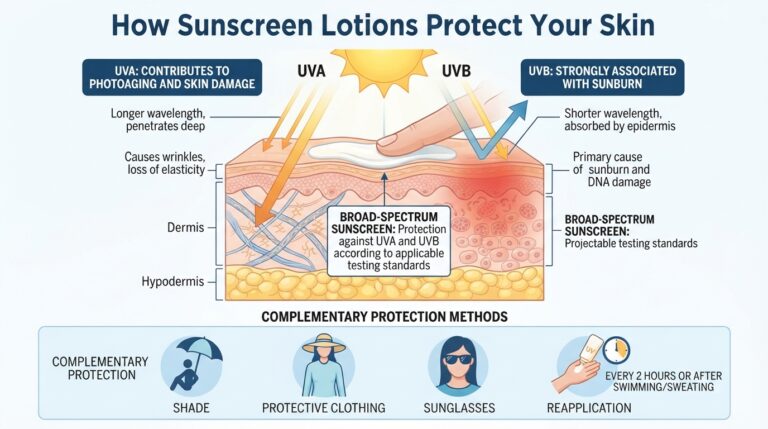
Look for products labeled as “broad spectrum,” which indicates protection against both UVA and UVB rays. UVA rays can lead to premature aging and skin cancer, making comprehensive protection essential.
Water Resistance
If you plan on swimming or engaging in activities that cause sweating, consider a water-resistant formula. These products are designed to stay on the skin longer, even when exposed to moisture.
Ingredients
Check the ingredient list for active components. Common ingredients in spray sunscreens include:
| Ingredient | Function |
|---|---|
| Zinc Oxide | Provides broad-spectrum protection, safe for sensitive skin. |
| Avobenzone | Effective against UVA rays, ensuring comprehensive protection. |
| Octisalate | Helps stabilize other sunscreen ingredients. |
| Oxybenzone | Provides UVB and short UVA protection (note: some prefer to avoid this due to potential skin irritation). |
Common Misconceptions About Spray Sunscreen
With the rise in popularity of spray sunscreens, various misconceptions have emerged. Addressing these can help you make informed decisions.
Myth 1: Spray Sunscreen is Not as Effective as Lotion
While studies suggest that lotion sunscreens may provide better coverage when applied incorrectly, spray sunscreens can be equally effective if used properly. The key is to ensure even application and sufficient quantity.
Myth 2: You Don’t Need to Reapply Spray Sunscreen
Many people mistakenly believe that spray sunscreen doesn’t need reapplication. In reality, it should be reapplied every two hours, especially after swimming or sweating.
Myth 3: You Can Use Spray Sunscreen for All Skin Types
While most spray sunscreens are suitable for various skin types, individuals with sensitive skin should opt for mineral-based formulas containing zinc oxide or titanium dioxide, which are less likely to cause irritation.
Practical Tips for Using Spray Sunscreen
To maximize the benefits of spray sunscreen, here are some practical tips:
- Shake the canister well before use to ensure an even mixture of ingredients.
- Apply sunscreen in a well-ventilated area to avoid inhaling aerosol particles.
- Use a mirror to check for missed spots, especially areas like the back of the neck and ears.
- Consider pairing spray sunscreen with other sun protection methods, such as wearing protective clothing and seeking shade during peak sun hours.
Conclusion
So, does spray sunscreen work? Yes, when applied correctly, spray sunscreen can be an effective way to protect your skin from harmful UV rays. It offers a convenient option for those who may struggle with traditional lotion sunscreens. By understanding how to use it effectively and choosing the right product, you can enjoy your time outdoors while keeping your skin safe. Remember, the best sunscreen is the one you will use consistently, so find a formulation that fits your lifestyle and preferences.