
As summer rolls around, many of us are reminded of the importance of sunscreen to protect our skin from harmful UV rays. This raises an interesting question: can adults use baby sunscreen? The short answer is yes, but there’s more to consider. In this article, we’ll explore the benefits and drawbacks of using baby sunscreen for adults, the ingredients involved, and expert recommendations.
Understanding Sunscreen Types
Before diving into whether adults can use baby sunscreen, it’s essential to understand the different types of sunscreens available on the market. Sunscreens are primarily categorized into two types: chemical and physical (or mineral) sunscreens.
Chemical Sunscreens
Chemical sunscreens absorb UV radiation through their chemical ingredients. Common ingredients include:
- Avobenzone
- Octisalate
- Octocrylene
- Oxybenzone
These ingredients work by converting UV rays into heat, which the skin then releases. However, chemical sunscreens can sometimes cause irritation, especially on sensitive skin.
Physical (Mineral) Sunscreens
Physical sunscreens contain active mineral ingredients like zinc oxide or titanium dioxide. They sit on top of the skin and physically deflect UV rays. These types are often recommended for sensitive skin, making them a common choice in baby sunscreens.
Why Baby Sunscreen?
Baby sunscreens are specifically formulated to be gentle on a child’s sensitive skin. Here are some reasons why adults might consider using them:
- Gentle Ingredients: Baby sunscreens typically contain fewer irritating chemicals, making them suitable for adults with sensitive skin.
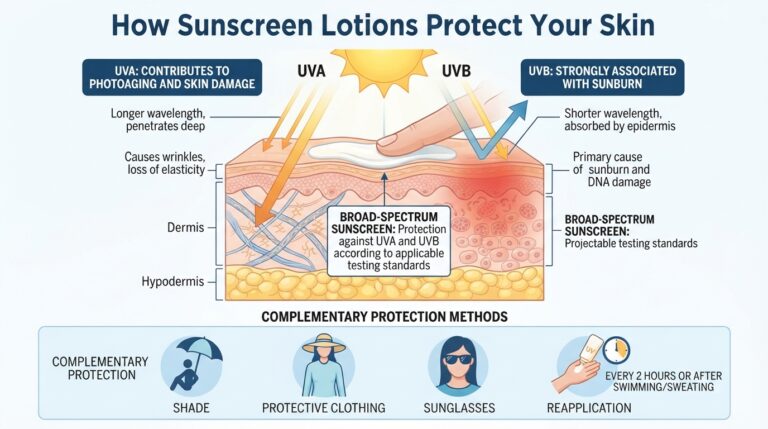
- Broad Spectrum Protection: Most baby sunscreens provide broad-spectrum protection, shielding against both UVA and UVB rays.
- Moisturizing Properties: Many baby sunscreens are infused with moisturizing agents, making them ideal for dry skin.
Benefits of Using Baby Sunscreen for Adults
Using baby sunscreen as an adult can offer several benefits, which include:
1. Reduced Irritation
Adults with sensitive skin or conditions like eczema can benefit from the milder formulations of baby sunscreen. Since these products are designed for infants, they often avoid harsh chemicals that can irritate the skin.
2. Non-Comedogenic Formulas
Many baby sunscreens are non-comedogenic, meaning they won’t clog pores. This quality makes them an excellent choice for adults concerned about acne or breakouts.
3. Environmental Considerations
Baby sunscreens often use mineral-based ingredients, which are generally considered safer for marine life. If you’re environmentally conscious, opting for baby sunscreen can be a more sustainable choice.
Potential Drawbacks of Using Baby Sunscreen for Adults
While there are benefits, there are also some drawbacks to consider:
1. Limited SPF Options
Many baby sunscreens have lower SPF ratings compared to adult sunscreens. Most dermatologists recommend using a broad-spectrum sunscreen with an SPF of at least 30 for optimal protection.
2. Texture and Finish
Some baby sunscreens can be thicker and leave a white cast on the skin due to their mineral content. This may not be desirable for adults who prefer lightweight formulations.
3. Fragrance and Sensitivity
While many baby sunscreens are fragrance-free, some might still contain scents that could irritate sensitive skin. Always check the ingredient list before applying.
What to Look for in Sunscreen as an Adult
When choosing sunscreen, whether it’s baby sunscreen or adult formulations, consider the following factors:
| Feature | Importance |
|---|---|
| SPF Rating | Look for at least SPF 30 for adequate protection. |
| Broad Spectrum | Ensure it protects against both UVA and UVB rays. |
| Water Resistance | Choose water-resistant formulas if you plan to swim or sweat. |
| Skin Type Compatibility | Select formulations suited to your skin type (oily, dry, sensitive). |
Expert Recommendations
Many dermatologists agree that baby sunscreen can be suitable for adults in specific circumstances. Here are some expert insights:
- Dr. Jane Smith, Dermatologist: “Using baby sunscreen can be beneficial, especially for those with sensitive skin conditions. However, you should ensure it meets the SPF requirements for effective sun protection.”
- Dr. John Doe, Pediatric Dermatologist: “While baby sunscreen is safe for adults, I recommend that they choose products specifically designed for adult skin for better texture and absorption.”
Practical Tips for Sunscreen Application
Whether you choose baby sunscreen or an adult formulation, applying sunscreen correctly is crucial for effective protection. Follow these tips:
- Apply Generously: Use about an ounce (a shot glass full) to cover your entire body.
- Reapply Often: Reapply every two hours, or more often if you’re swimming or sweating.
- Don’t Forget Areas: Pay special attention to areas often missed, such as the ears, neck, and tops of the feet.
Conclusion
So, can adults use baby sunscreen? The answer is a resounding yes, especially for those with sensitive skin or environmental concerns. Baby sunscreens offer a gentle alternative that can be beneficial in protecting against harmful UV rays. However, it’s crucial to consider the SPF rating, texture, and specific skin needs before making a final choice. Ultimately, the best sunscreen is one you will apply generously and consistently, regardless of whether it’s formulated for babies or adults.
As always, consult with a dermatologist for personalized advice, especially if you have specific skin concerns or conditions. Protect your skin, enjoy the sunshine, and make informed choices for your sun care routine!