
When it comes to skincare, one of the most common questions is, should sunscreen be applied before or after moisturizer? The order in which you apply your skincare products can significantly impact their effectiveness, and understanding this can lead to healthier, happier skin. In this article, we will explore the best practices for layering sunscreen and moisturizer, as well as why it matters.
The Importance of Sunscreen in Your Skincare Routine
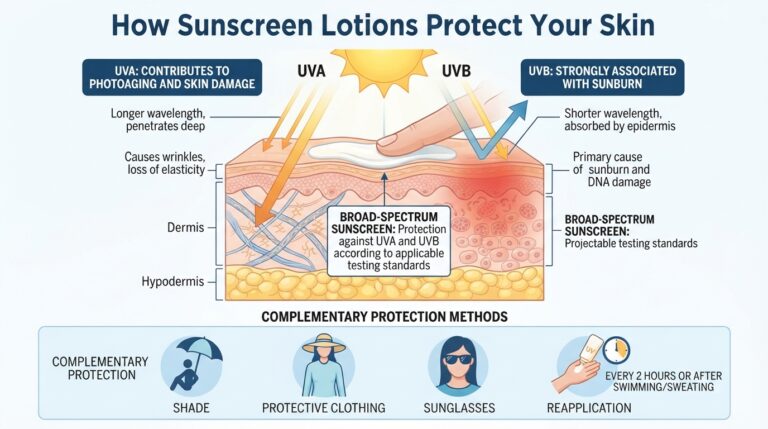
Sunscreen is a crucial component of any skincare regimen. Its primary purpose is to protect the skin from harmful ultraviolet (UV) rays, which can lead to premature aging, sunburn, and skin cancer. According to the Skin Cancer Foundation, using sunscreen daily can reduce the risk of developing skin cancer by up to 50%. Here are some additional benefits of using sunscreen:
- Prevents sunburn and skin damage.
- Reduces the risk of pigmentation and dark spots.
- Helps maintain an even skin tone.
- Protects against photoaging, including fine lines and wrinkles.
Understanding Moisturizers and Their Role
Moisturizers are designed to hydrate and nourish the skin. They help to lock in moisture, keeping the skin soft and supple. Different types of moisturizers serve various purposes, including:
- Humectants: Attract water to the skin (e.g., hyaluronic acid, glycerin).
- Emollients: Smooth and soften the skin (e.g., fatty acids, oils).
- Occlusives: Create a barrier to prevent moisture loss (e.g., petrolatum, beeswax).
Using a moisturizer is essential for maintaining skin barrier function and preventing dryness, which is particularly important when using sunscreen, as some formulations can be drying.
Best Practices for Application: Sunscreen and Moisturizer Order
Now, let’s address the central question: should sunscreen be applied before or after moisturizer? The answer is quite straightforward. Sunscreen should be applied after moisturizer. Here’s why:
1. Layering for Maximum Effectiveness
Applying moisturizer first allows the skin to absorb the hydrating ingredients effectively. When sunscreen is applied afterward, it forms a protective barrier without interfering with the absorption of the moisturizer. This layering technique ensures that both products work optimally.
2. Sunscreen Formulations
Sunscreens come in various formulations, including creams, lotions, gels, and sprays. Some sunscreens are thicker and can potentially clog pores if applied directly onto the skin without a moisturizing base. Applying moisturizer first creates a smooth canvas for the sunscreen, enhancing its application and wearability.
3. Avoiding Pilling and Caking
Applying sunscreen over a moisturizer helps to prevent pilling, which can occur when products do not blend well together. Pilling can be frustrating, especially if you’re trying to achieve a flawless makeup look on top of your skincare.
How to Properly Apply Sunscreen and Moisturizer
To get the best results from your skincare routine, follow these steps for applying moisturizer and sunscreen:
- Cleanse: Start with a clean face to remove dirt and impurities.
- Apply Toner: If you use a toner, apply it after cleansing for added hydration.
- Moisturize: Apply a suitable moisturizer based on your skin type. Allow it to absorb for a few minutes.
- Apply Sunscreen: Use a broad-spectrum sunscreen with at least SPF 30. Apply it generously to all exposed skin areas.
- Reapply: Remember to reapply sunscreen every two hours, especially if you are spending time outdoors or sweating.
Choosing the Right Products for Your Skin Type
Not all sunscreens and moisturizers are created equal. It’s essential to choose products tailored to your skin type. Here are some guidelines:
For Oily Skin
Opt for lightweight, oil-free moisturizers and gel-based sunscreens. Look for products labeled as non-comedogenic to avoid clogging pores.
For Dry Skin
Choose rich, hydrating moisturizers containing ingredients like hyaluronic acid or glycerin. A cream-based sunscreen can also provide additional hydration.
For Sensitive Skin
Look for mineral-based sunscreens containing zinc oxide or titanium dioxide, as they are less likely to irritate sensitive skin. Fragrance-free moisturizers can also minimize irritation.
Common Myths About Sunscreen and Moisturizers
There are several myths surrounding sunscreen and moisturizers that can lead to confusion:
Myth 1: Sunscreen is only needed on sunny days
UV rays can penetrate clouds and affect your skin even on overcast days. It’s essential to wear sunscreen daily, regardless of the weather.
Myth 2: You don’t need sunscreen if your moisturizer has SPF
While many moisturizers contain SPF, they often do not provide sufficient protection. It’s advisable to use a dedicated sunscreen for optimal coverage.
Myth 3: You can skip sunscreen if you’re indoors
Indoor lighting can emit UVA rays, which can contribute to skin damage. Wearing sunscreen indoors is a good practice, especially if you spend a lot of time near windows.
Conclusion: The Optimal Order for Healthy Skin
In conclusion, understanding the question of should sunscreen be applied before or after moisturizer is vital for maintaining healthy skin. Applying moisturizer first allows for better absorption and provides a smooth base for sunscreen, ensuring both products can perform their best. Remember to choose products suited to your skin type and to reapply sunscreen throughout the day for maximum protection. By following these guidelines, you can protect your skin from harmful UV rays while keeping it hydrated and nourished.