
As summer approaches, many of us begin to think about sun protection. Among the various options available, powder sunscreen has gained popularity for its convenience and portability. But the question remains: does powder sunscreen work? In this article, we will dive into the effectiveness of powder sunscreen, its benefits, how to apply it correctly, and how it compares to traditional lotion and spray sunscreens.
Understanding Powder Sunscreen
Powder sunscreen is a unique formulation designed to provide sun protection in a lightweight, easy-to-apply powder form. This type of sunscreen is often made from mineral ingredients like zinc oxide or titanium dioxide, which are known for their sun-blocking properties. Unlike traditional sunscreens, which come in lotions or sprays, powder sunscreens offer a mess-free application that can be reapplied throughout the day without disturbing makeup.
How Does Powder Sunscreen Work?
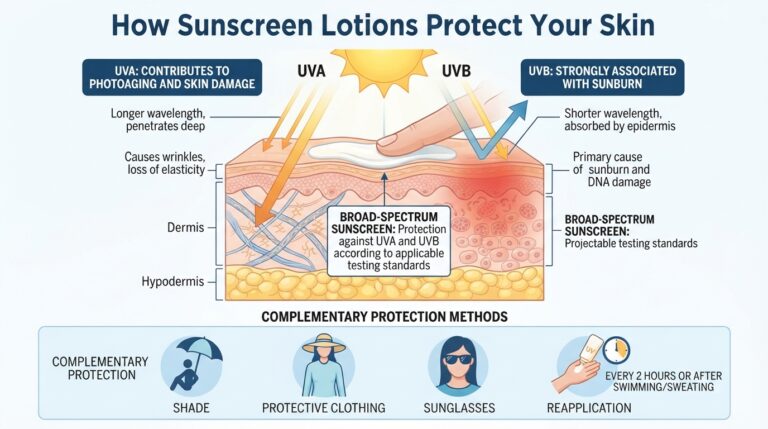
To understand whether powder sunscreen works, it’s essential to know how it functions. Powder sunscreens utilize physical (mineral) UV filters that sit on the skin’s surface and reflect or scatter UV rays rather than being absorbed into the skin. This mechanism allows for effective protection against both UVA and UVB rays.
Key Ingredients
Most powder sunscreens contain the following active ingredients:
- Zinc Oxide: A broad-spectrum UV filter that provides effective sun protection.
- Titanium Dioxide: Another mineral sunscreen ingredient that protects against UVB and some UVA rays.
These ingredients are often combined with other components like silica or talc to create a lightweight texture that feels comfortable on the skin.
Benefits of Powder Sunscreen
There are several benefits to using powder sunscreen that make it an attractive option for many individuals:
1. Convenience
Powder sunscreen comes in compact containers, making it easy to carry in your purse or beach bag. Its application method allows for quick touch-ups throughout the day.
2. Non-greasy Finish
For those who dislike the greasy feel of traditional sunscreens, powder formulas provide a matte finish and can absorb excess oil, making them suitable for oily or combination skin types.
3. Makeup-Friendly
Powder sunscreen can be applied over makeup without disturbing it, allowing for seamless touch-ups while still protecting your skin from harmful UV rays.
4. Reduced Risk of Pore Clogging
Since powder sunscreens are often free from heavy oils and creams, they tend to clog pores less than traditional sunscreens, which can be beneficial for acne-prone skin.
Does Powder Sunscreen Provide Adequate Protection?
While powder sunscreens offer numerous advantages, the critical question remains: do they provide adequate sun protection? The effectiveness of powder sunscreen depends on several factors:
1. SPF Rating
The Sun Protection Factor (SPF) rating is a crucial indicator of how well a sunscreen protects against UVB rays. Most powder sunscreens have SPF ratings ranging from 15 to 50. However, it’s important to note that:
- Higher SPF values do not always equate to better protection, but they do indicate a longer duration of effectiveness.
- Reapplication is essential, especially if you are sweating or swimming.
2. Application Technique
The effectiveness of powder sunscreen is highly dependent on how you apply it. Here are some tips for optimal application:
- Shake the container well to distribute the product evenly.
- Use a generous amount and apply it liberally to all exposed skin.
- Reapply every two hours, or more often if sweating or swimming.
3. Coverage
Proper coverage is vital for effective sun protection. Unlike lotions, which can be spread more easily, powders may leave gaps in coverage if not applied adequately. It’s crucial to ensure even distribution for optimal protection.
Comparing Powder Sunscreen to Traditional Sunscreen
To better understand the effectiveness of powder sunscreen, let’s compare it to traditional sunscreens:
| Feature | Powder Sunscreen | Traditional Sunscreen |
|---|---|---|
| Application | Dust-on application, easy to reapply | Spreadable lotion or spray |
| Finish | Matte, non-greasy | Can be greasy or heavy |
| Water Resistance | Usually not water-resistant | Varies; many are water-resistant |
| Makeup Compatibility | Can be applied over makeup | May disrupt makeup application |
While powder sunscreen offers unique benefits, traditional sunscreens often provide better water resistance and may be more suitable for prolonged sun exposure, especially during swimming or heavy sweating.
Who Should Use Powder Sunscreen?
Powder sunscreen can be an excellent option for various skin types and lifestyles:
1. Active Lifestyles
If you’re someone who enjoys outdoor sports and activities, powder sunscreen can be a convenient way to reapply sun protection without the mess.
2. Oily or Combination Skin
Individuals with oily skin may prefer powder formulations, as they help absorb excess oil and provide a matte finish.
3. Makeup Wearers
For those who wear makeup regularly, powder sunscreen allows for easy touch-ups throughout the day without disrupting your look.
Potential Drawbacks of Powder Sunscreen
While powder sunscreen has many advantages, there are some potential drawbacks to consider:
1. Inconsistent Coverage
As mentioned earlier, achieving even coverage can be challenging, which may lead to missed spots and inadequate protection.
2. Limited Water Resistance
Many powder sunscreens lack water resistance, making them less suitable for swimming or heavy sweating.
3. SPF Limitations
While powder sunscreens can offer adequate protection, they may not provide as high an SPF as some traditional sunscreens, which could be a concern for individuals with fair skin or those at higher risk of sun damage.
Tips for Using Powder Sunscreen Effectively
To maximize the benefits of powder sunscreen, consider the following tips:
- Choose the Right SPF: Select a powder sunscreen with an appropriate SPF for your skin type and sun exposure.
- Apply Generously: Don’t skimp on the amount; ensure full coverage of all exposed areas.
- Reapply Regularly: Make it a habit to reapply every two hours and more frequently if you’re sweating or swimming.
- Use as a Supplement: Consider using powder sunscreen in conjunction with a traditional sunscreen for added protection, especially during outdoor activities.
Conclusion
So, does powder sunscreen work? The answer is yes, but with some important caveats. While powder sunscreen can provide effective sun protection, its effectiveness largely depends on proper application and usage. It’s a convenient and non-greasy option that can be great for daily wear, but it may not be the best choice for every situation, particularly during intense sun exposure or water activities. Understanding its benefits and limitations will help you make an informed choice about your sun protection strategy.
Ultimately, whether you choose powder sunscreen or a traditional formula, the key is to apply it correctly and reapply it regularly to ensure your skin stays protected from harmful UV rays. Stay safe in the sun and enjoy the outdoors!