
When it comes to skin care, one question that often arises is: should I put sunscreen on at night? Many people are aware of the importance of sunscreen during the day, but the nighttime routine can often be overlooked. This article will explore the role of sunscreen, why it may not be necessary at night, and how to optimize your evening skin care routine for the best results.
The Role of Sunscreen in Skin Care
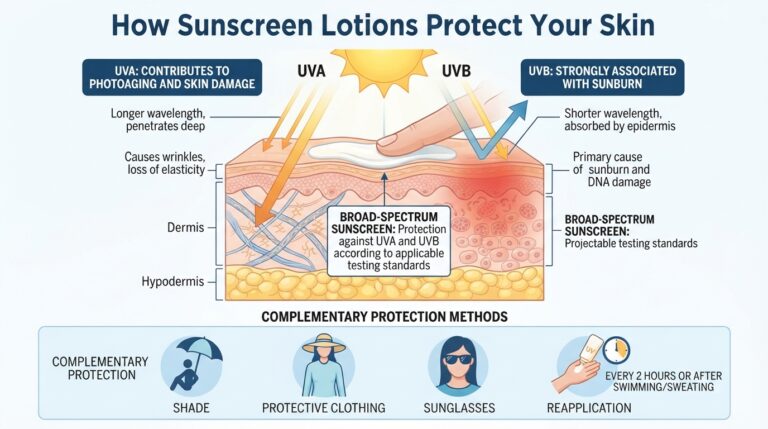
Sunscreen is a crucial component of any skin care regimen. Its primary purpose is to protect the skin from the harmful effects of ultraviolet (UV) radiation. Here are some key points about the importance of sunscreen:
- Prevents Skin Damage: UV rays can cause premature aging, sunburn, and increase the risk of skin cancer.
- Reduces Hyperpigmentation: Regular use of sunscreen helps prevent dark spots and uneven skin tone.
- Protects Against Environmental Stressors: Sunscreens can shield the skin from pollution and other harmful environmental factors.
Why Sunscreen is Essential During the Day
During the day, our skin is exposed to direct sunlight, making sunscreen vital. Here are some reasons to apply sunscreen in the morning:
- Direct Sun Exposure: The sun’s rays are strongest between 10 a.m. and 4 p.m., necessitating protection.
- Increased UV Exposure: Activities such as walking, driving, or even sitting by a window can expose skin to harmful rays.
- Protection Against Blue Light: Some sunscreens also offer protection against blue light from screens, which can contribute to skin aging.
Should I Put Sunscreen on at Night?
Now, let’s address the central question: should I put sunscreen on at night? The straightforward answer is no. However, understanding the reasons behind this can provide deeper insights into your skin care routine.
Reasons Not to Use Sunscreen at Night
There are several reasons why applying sunscreen at night is generally unnecessary:
- Absence of UV Exposure: At night, there is no UV radiation to protect against, making sunscreen redundant.
- Skin Repair and Regeneration: Nighttime is when the skin naturally repairs itself. Using heavy products like sunscreen can interfere with this process.
- Potential for Pore Clogging: Many sunscreens contain ingredients that can clog pores if left on overnight, leading to breakouts.
What to Use Instead of Sunscreen at Night
Since sunscreen is not necessary at night, it’s essential to focus on products that support skin repair and hydration. Here are some alternatives to consider:
1. Moisturizers
A good moisturizer can help hydrate the skin and support its natural barrier. Look for ingredients such as:
- Hyaluronic Acid: Helps retain moisture in the skin.
- Glycerin: A humectant that draws moisture to the skin.
- Ceramides: Help restore the skin barrier and lock in hydration.
2. Retinoids
Retinoids are powerful ingredients that can help reduce the appearance of fine lines and improve skin texture. They work best at night due to their sensitivity to sunlight.
3. Serums
Nighttime serums can deliver targeted treatments to address specific skin concerns. Common ingredients include:
- Vitamin C: Brightens the skin and improves texture.
- Peptides: Promote collagen production for firmer skin.
- Niacinamide: Helps with redness and uneven skin tone.
Creating an Effective Nighttime Skin Care Routine
To maximize the benefits of your nighttime skin care routine, consider the following steps:
- Cleanse: Start with a gentle cleanser to remove makeup and impurities.
- Exfoliate: Use a mild exfoliant a few times a week to slough off dead skin cells.
- Tone: Apply a toner to balance the skin’s pH and prep it for other products.
- Apply Serums: Use targeted serums to address specific skin concerns.
- Moisturize: Lock in hydration with a good moisturizer.
- Eye Cream: Consider using an eye cream to address dark circles and puffiness.
Common Misconceptions About Sunscreen
There are several myths surrounding sunscreen use that can lead to confusion. Here are a few common misconceptions:
Myth 1: Sunscreen is Only for Sunny Days
Many people believe that sunscreen is only necessary on sunny days. In reality, UV rays can penetrate clouds and even windows, making it essential to apply sunscreen daily, regardless of the weather.
Myth 2: You Only Need to Apply Sunscreen Once
Applying sunscreen once in the morning is not enough. To maintain optimal protection, it should be reapplied every two hours, especially if you’re sweating or swimming.
Myth 3: Higher SPF Means Better Protection
While a higher SPF does offer more protection, it is not a substitute for proper application and reapplication. An SPF of 30 is generally sufficient for daily use when applied correctly.
Conclusion
In conclusion, the question of whether you should put sunscreen on at night can be readily answered: no, it is not necessary. However, understanding the role of sunscreen during the day highlights the importance of protecting your skin from UV damage. Focus on a robust nighttime skin care routine that prioritizes hydration and repair, using products that cater to your specific skin needs. By doing so, you can ensure your skin remains healthy, radiant, and well-protected throughout the day.
Remember, maintaining healthy skin is about consistent care and making informed choices about the products you use. Whether it’s daytime sunscreen or nighttime moisturizers, the right regimen will lead to glowing, youthful skin for years to come.