
When it comes to sun protection, the question on many people’s minds is, “How long does mineral sunscreen last?” Understanding the lifespan of mineral sunscreen is crucial for effective sun safety, especially during those sunny beach days or outdoor adventures. Unlike chemical sunscreens, mineral sunscreens contain active minerals like zinc oxide and titanium dioxide that physically block UV rays. This article will explore the duration of mineral sunscreen effectiveness, how to apply it, and factors that can influence its longevity.
What is Mineral Sunscreen?
Mineral sunscreen, often referred to as physical sunscreen, uses natural minerals to create a barrier on the skin’s surface. The two primary ingredients, zinc oxide and titanium dioxide, work by reflecting and scattering harmful UV rays. This type of sunscreen is generally considered safer for sensitive skin and is less likely to cause irritation compared to chemical formulations.
Benefits of Mineral Sunscreen
Mineral sunscreen offers several notable benefits:
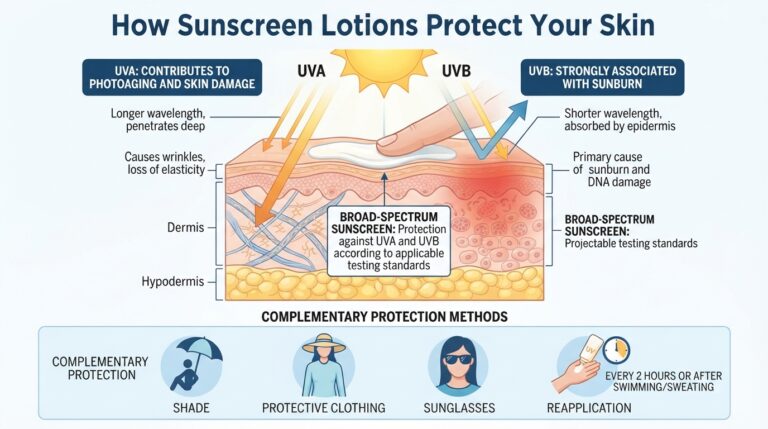
- Broad-spectrum protection: It protects against both UVA and UVB rays.
- Immediate protection: Unlike chemical sunscreens, it starts working as soon as it’s applied.
- Less irritating: Ideal for sensitive skin types.
- Environmental safety: Generally safer for marine life compared to some chemical sunscreens.
How Long Does Mineral Sunscreen Last?
Now let’s address the main question: how long does mineral sunscreen last on the skin? Typically, mineral sunscreen remains effective for about two hours after application. However, several factors can influence this duration:
Factors Affecting Longevity
- Water exposure: Swimming or sweating can wash away sunscreen, decreasing its effectiveness.
- Skin type: Oily skin may break down sunscreen faster than dry skin.
- Application amount: Using too little sunscreen will reduce its protective qualities.
- Environmental conditions: High temperatures and humidity can impact how long the sunscreen lasts.
Understanding SPF and Its Role
SPF, or Sun Protection Factor, plays a crucial role in determining how long mineral sunscreen will last. An SPF rating indicates the level of protection against UVB rays, which are responsible for sunburn. For instance, an SPF of 30 theoretically allows you to stay in the sun 30 times longer than without protection. However, this does not mean you can skip reapplication.
| SPF Rating | Approximate Time Before Reapplication |
|---|---|
| 15 | 1-2 hours |
| 30 | 2 hours |
| 50+ | 2-3 hours |
How to Apply Mineral Sunscreen Effectively
To maximize the effectiveness of mineral sunscreen, application technique is key. Here’s how to ensure you’re getting the most out of your sunscreen:
Step-by-Step Application Guide
- Choose the Right SPF: Select a mineral sunscreen with an SPF of at least 30.
- Apply Generously: Use about one ounce (a shot glass full) for full-body coverage.
- Apply Before Sun Exposure: Apply sunscreen 15-30 minutes before going outside to allow it to absorb.
- Reapply Regularly: Reapply every two hours, or more frequently if swimming or sweating.
- Don’t Forget Key Areas: Ensure you cover often-missed spots such as ears, feet, and the back of the neck.
Common Misconceptions about Mineral Sunscreen
Despite its popularity, several misconceptions persist about mineral sunscreen. Let’s clear up a few of them:
Myth 1: Mineral Sunscreen Is Too Thick
While mineral sunscreens can be thicker than chemical ones, many modern formulations are lightweight and blend well into the skin, providing a matte finish.
Myth 2: It Doesn’t Work on Dark Skin
Some people believe mineral sunscreen leaves a white cast, particularly on darker skin tones. Fortunately, many brands now offer tinted formulations that provide effective protection without the white residue.
Myth 3: You Don’t Need to Reapply If You’re Not Swimming
Even if you’re not swimming, reapplication is crucial. Factors like sweating and environmental exposure can diminish protection.
Tips for Maximizing Your Mineral Sunscreen
To ensure you’re getting the most out of your mineral sunscreen, here are some practical tips:
- Layer with Other Products: Combine sunscreen with other protective measures, such as wearing hats and protective clothing.
- Store Properly: Keep your sunscreen in a cool, dry place to maintain its efficacy.
- Check Expiration Dates: Sunscreens can expire. Always check the label and replace if necessary.
- Consider Your Activity: If you’re engaging in activities that cause excessive sweating or water exposure, opt for a water-resistant formulation.
Conclusion
Understanding how long mineral sunscreen lasts is essential for effective sun protection. With a typical duration of around two hours, reapplication is crucial, especially after swimming or sweating. By following proper application techniques and debunking common myths, you can ensure that you’re protected from harmful UV rays. Remember, your skin’s health is your greatest asset, so invest the time in protecting it. Whether you’re lounging on the beach or hiking in the mountains, make mineral sunscreen a staple in your sun care routine.