
When it comes to skincare, many of us are diligent about applying sunscreen during the day, but what about nighttime? Do you need to wear sunscreen at night? This is a question that has generated some debate among skincare enthusiasts and dermatologists alike. In this article, we’ll delve into the reasons behind sunscreen use, its impact on your skin, and whether nighttime application is necessary.
The Importance of Sunscreen
Sunscreen is a crucial component of any skincare routine because it protects the skin from harmful ultraviolet (UV) rays. These rays can lead to various issues, including:
- Premature aging
- Skin cancer
- Hyperpigmentation
- Sunburn
According to the Skin Cancer Foundation, approximately 1 in 5 Americans will develop skin cancer by the age of 70. This statistic highlights the importance of protecting your skin from UV exposure.
Understanding UV Rays
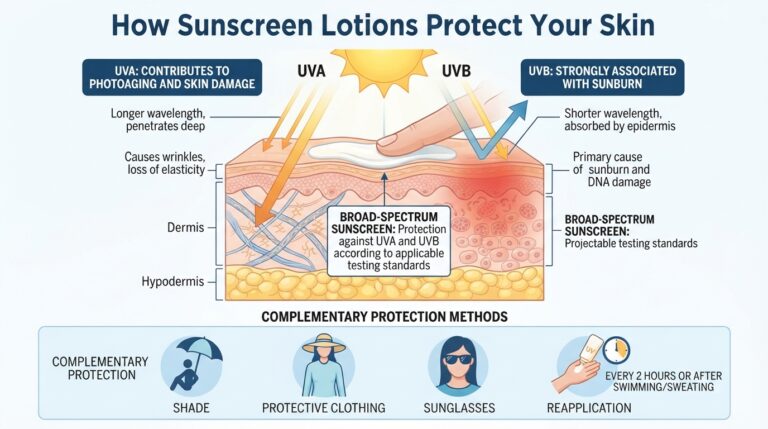
UV rays come in two primary forms: UVA and UVB. Understanding the difference between these rays can help clarify the importance of sunscreen.
UVA Rays
UVA rays penetrate the skin more deeply and are primarily responsible for premature aging and the formation of wrinkles. They can penetrate glass, meaning that even indoor exposure can affect your skin.
UVB Rays
UVB rays are primarily responsible for sunburn and can directly damage the DNA in skin cells. These rays are more intense during the summer and at higher altitudes.
Why Sunscreen During the Day is Essential
Applying sunscreen during the day is essential for a multitude of reasons:
- Protection Against Skin Damage: Sunscreen acts as a barrier against harmful UV rays, preventing damage to your skin.
- Prevention of Skin Cancer: Regular use of sunscreen can significantly reduce the risk of developing skin cancer.
- Maintaining Skin Health: Sunscreen helps keep the skin looking youthful and healthy by preventing signs of aging.
The Case for Wearing Sunscreen at Night
So, do you need to wear sunscreen at night? The general consensus among dermatologists is that sunscreen is not necessary when the sun is down. However, there are compelling reasons to consider wearing a nighttime sunscreen in certain circumstances.
Artificial Light and Skin Damage
While natural sunlight is the primary source of UV exposure, artificial light can also contribute to skin damage. Some studies suggest that exposure to blue light, emitted by screens and other electronic devices, may lead to skin issues, including:
- Hyperpigmentation
- Inflammation
- Accelerated aging
Although the research is still emerging, some experts recommend protecting your skin from artificial light, particularly if you spend significant time in front of screens.
Pollution and Environmental Factors
Environmental pollutants can also harm your skin, leading to oxidative stress and premature aging. Wearing a protective layer at night may help shield your skin from these environmental aggressors.
Choosing the Right Nighttime Skincare Products
If you’re considering adding a nighttime sunscreen or protective product to your routine, here are some options to explore:
1. Night Creams with SPF
Some night creams come with a low level of SPF, designed to provide a protective barrier while you sleep. Look for products that specifically mention protection against blue light and pollution.
2. Antioxidant Serums
Antioxidant serums can help combat the effects of environmental stressors. Ingredients such as vitamin C, vitamin E, and niacinamide can provide additional protection for your skin while you sleep.
3. Moisturizers with Blue Light Protection
Some moisturizers are formulated with ingredients that help mitigate the effects of blue light. These products can be beneficial for those who frequently use electronic devices.
Best Practices for Nighttime Skincare
In addition to considering sunscreen, here are some best practices for your nighttime skincare routine:
1. Cleanse Thoroughly
Begin your routine by cleansing your face to remove makeup, dirt, and pollutants that have accumulated throughout the day. A good cleanser sets the stage for the rest of your skincare products.
2. Exfoliate Regularly
Exfoliating 1-2 times per week can help remove dead skin cells and promote cell turnover. This process can enhance the effectiveness of your nighttime products.
3. Moisturize
Apply a hydrating moisturizer to lock in moisture and support your skin’s repair process overnight. Look for ingredients like hyaluronic acid and glycerin to keep your skin plump and hydrated.
Conclusion: Do You Need to Wear Sunscreen at Night?
Ultimately, the decision to wear sunscreen at night depends on individual factors, such as your lifestyle, skin type, and exposure to artificial light. While traditional recommendations suggest that sunscreen isn’t necessary after sundown, the evolving understanding of skin health and environmental factors may encourage a shift in this perspective.
For those concerned about blue light exposure or environmental pollutants, incorporating a protective product into your nighttime routine may be beneficial. As always, it’s essential to listen to your skin and consult with a skincare professional to determine the best approach for your unique needs.
In summary, while the question “do you need to wear sunscreen at night?” might not have a one-size-fits-all answer, staying informed and proactive about your skincare can lead to healthier, more radiant skin.