
When it comes to sun protection, many people are becoming increasingly aware of the importance of choosing safe and effective products. This brings us to an important question: is Blue Lizard sunscreen non-toxic? As we explore this topic, we will delve into the ingredients, effectiveness, and overall safety of Blue Lizard sunscreen, equipping you with the insights you need to make informed decisions for your skin and health.
Understanding Sunscreen Ingredients
To determine if Blue Lizard sunscreen is non-toxic, it’s crucial to understand the ingredients commonly found in sunscreens. Generally, there are two types of active ingredients: chemical and physical (or mineral) filters.
Chemical Filters
Chemical sunscreens absorb UV radiation through their chemical ingredients. Common chemical filters include:
- Oxybenzone
- Avobenzone
- Octisalate
- Octocrylene
- Homosalate
While effective at blocking UV rays, some chemical filters have raised concerns regarding their potential to cause skin irritation and hormonal disruptions. Oxybenzone, in particular, has been linked to environmental and health concerns.
Physical Filters
Physical sunscreens, on the other hand, use mineral ingredients like zinc oxide and titanium dioxide to create a barrier on the skin that reflects UV radiation. These ingredients are often considered safer and less irritating, making them a popular choice for sensitive skin.
What Makes Blue Lizard Sunscreen Unique?
Blue Lizard sunscreen has gained popularity due to its commitment to effective sun protection and quality ingredients. The brand offers a range of formulations, including options for sensitive skin and sport activities. But what sets Blue Lizard apart in terms of toxicity and safety?
Ingredient Analysis
Let’s take a closer look at the key ingredients in Blue Lizard sunscreen formulations:
| Product Line | Active Ingredients | SPF Level | Water Resistance |
|---|---|---|---|
| Blue Lizard Sensitive | Zinc Oxide 10%, Titanium Dioxide 5% | 30 | 80 minutes |
| Blue Lizard Sport | Zinc Oxide 8%, Octocrylene 10% | 30 | 80 minutes |
| Blue Lizard Australian Sunscreen | Zinc Oxide 6.8%, Titanium Dioxide 3.5% | 50+ | 80 minutes |
From the table, you can see that Blue Lizard primarily relies on physical filters like zinc oxide and titanium dioxide in many of its products. These ingredients are generally regarded as safe and non-toxic, especially for those with sensitive skin.
The Safety of Blue Lizard Sunscreen
Now that we have analyzed the ingredients, let’s evaluate the safety of Blue Lizard sunscreen.
Skin Irritation and Allergies
One of the most significant concerns with any sunscreen is the potential for skin irritation or allergic reactions. Chemical filters can sometimes cause rashes, while physical filters are typically gentler. Blue Lizard’s Sensitive line is specifically formulated for those with sensitive skin, aiming to minimize the risk of irritation.
Environmental Impact
Another aspect of toxicity involves the impact on the environment. Chemical sunscreens have been shown to contribute to coral bleaching, which has led to bans in certain locations. Blue Lizard, by using mostly physical filters, is considered more environmentally friendly, aligning with the growing trend towards eco-conscious products.
Consumer Feedback and Trustworthiness
When evaluating whether Blue Lizard sunscreen is non-toxic, consumer feedback plays a crucial role. Many users appreciate the brand’s transparency regarding ingredients and their commitment to high-quality formulations. Here are some common praises and concerns:
Positive Feedback
- Effective sun protection without irritation
- Water-resistant formula suitable for sports and outdoor activities
- Minimal white cast compared to other mineral sunscreens
Common Concerns
- Some users find the texture thick or greasy
- Higher price point compared to some chemical sunscreens
Overall, the majority of feedback highlights Blue Lizard’s effectiveness and safety, reinforcing its reputation as a trustworthy sunscreen option.
How to Choose the Right Sunscreen for You
Choosing the right sunscreen goes beyond just picking a brand. Here are some factors to consider when selecting a sunscreen:
Skin Type
Your skin type plays a significant role in determining which sunscreen is best for you:
- Oily Skin: Look for oil-free or mattifying formulas.
- Dry Skin: Consider creams or lotions that offer additional hydration.
- Sensitive Skin: Opt for mineral-based sunscreens like Blue Lizard Sensitive.
Activity Level
Think about how you will be using the sunscreen:
- Swimming or Sports: Choose a water-resistant formula.
- Daily Use: A lightweight, non-greasy sunscreen may be preferable.
SPF Level
Understanding SPF levels is crucial:
- SPF 15: Blocks about 93% of UVB rays.
- SPF 30: Blocks about 97% of UVB rays.
- SPF 50: Blocks about 98% of UVB rays.
For most outdoor activities, a minimum of SPF 30 is recommended.
Final Thoughts on Blue Lizard Sunscreen
So, is Blue Lizard sunscreen non-toxic? Based on the ingredients, safety profile, and consumer feedback, it appears to be a reliable choice for those seeking effective sun protection without harmful chemicals. The use of physical filters, combined with a commitment to quality and environmental responsibility, positions Blue Lizard as a leader in the sunscreen market.
As with any skincare product, it’s essential to choose a sunscreen that suits your individual needs. With Blue Lizard, you can feel confident that you are protecting your skin while making a conscientious choice for your health and the environment.
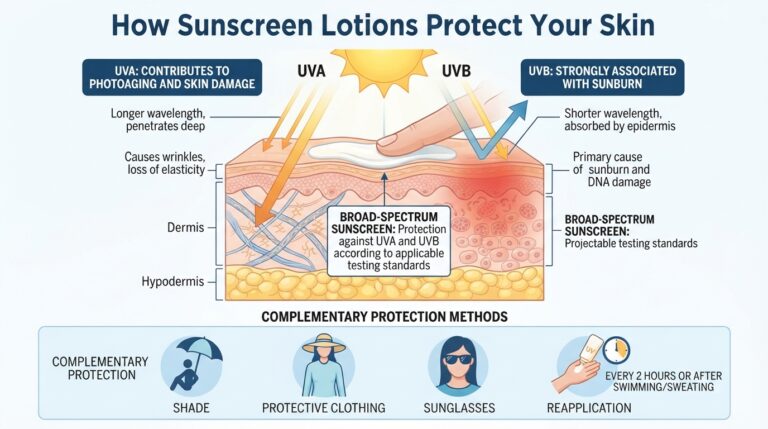
In conclusion, investing in a high-quality, non-toxic sunscreen like Blue Lizard is a vital step in safeguarding your skin against harmful UV rays. Remember to apply sunscreen generously and reapply every two hours, especially after swimming or sweating, to maximize its effectiveness.