
As summer approaches, many people are eager to soak up the sun and achieve that coveted tan. However, a common question arises: does sunscreen make you tan less? This is a significant concern for those who want to enjoy the sun while maintaining a bronzed glow. In this article, we will delve into the science of sunscreen, how it interacts with your skin, and whether it truly affects your tanning process.
The Science Behind Sunscreen
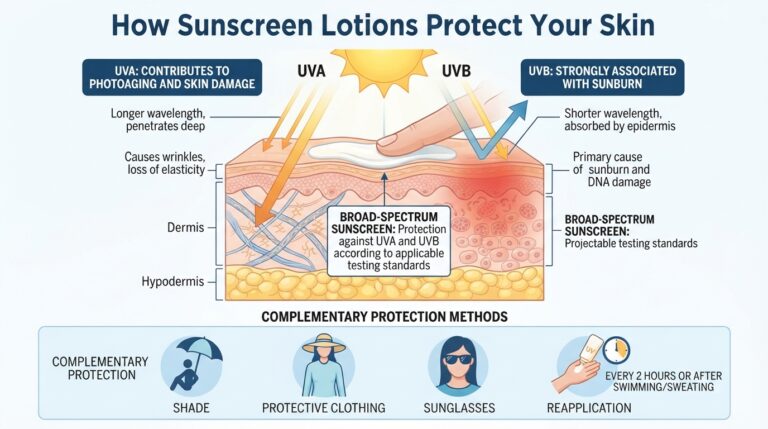
Before we answer the burning question, it’s essential to understand how sunscreen works. Sunscreens are formulated to protect your skin from the harmful effects of ultraviolet (UV) rays emitted by the sun. These rays are categorized into two types:
- UVA Rays: These rays penetrate the skin deeply and are primarily responsible for skin aging and long-term skin damage.
- UVB Rays: These rays are responsible for causing sunburn and play a significant role in the development of skin cancer.
Sunscreens contain active ingredients that either absorb, reflect, or scatter UV radiation. They are rated by their Sun Protection Factor (SPF), which indicates the level of protection they offer against UVB rays. However, it’s important to note that there is no SPF rating for UVA protection, although many broad-spectrum sunscreens offer some level of defense against both types of rays.
How Does Tanning Occur?
Tanning is a natural response of the skin to UV exposure. When your skin is exposed to sunlight, it produces more melanin, the pigment responsible for skin color. This increased melanin production is the body’s way of protecting deeper layers of skin from UV damage. Thus, the more UV exposure, the darker your skin gets, leading many to believe that avoiding sunscreen might result in a better tan.
Factors Influencing Tanning
Several factors play a role in how quickly and effectively you tan:
- Skin Type: Individuals with lighter skin tend to burn more easily and tan less than those with darker skin types.
- Duration of Sun Exposure: Longer exposure to sunlight can lead to a deeper tan, but it also increases the risk of sunburn and skin damage.
- Geographical Location: UV radiation is stronger closer to the equator and at higher altitudes, affecting tanning rates.
- Time of Day: The sun’s rays are most potent between 10 a.m. and 4 p.m., making this the prime time for tanning.
Does Sunscreen Affect Your Tan?
The short answer is: yes, sunscreen can influence the intensity of your tan. However, it’s not as simple as applying sunscreen and expecting to tan less. Here’s a deeper look into the relationship between sunscreen and tanning:
Protective Yet Permissive
Using sunscreen does not completely prevent tanning; rather, it allows you to tan more safely. Sunscreens work to filter out a portion of UV radiation, reducing the risk of sunburn while still permitting some UV exposure that triggers melanin production. This means that while you may tan less intensely compared to not wearing sunscreen, you are also less likely to suffer from the damaging effects of UV rays.
SPF Levels and Tanning
The SPF rating of your sunscreen plays a critical role in how much you can tan. Here’s a breakdown of how different SPF levels can affect tanning:
| SPF Level | UVB Protection Percentage | Potential Tanning Impact |
|---|---|---|
| 15 | 93% | Minimal tanning allowed |
| 30 | 97% | Moderate tanning allowed |
| 50 | 98% | Limited tanning allowed |
As you can see, higher SPF levels provide greater UV protection, which may limit tanning. However, it is essential to remember that even with SPF 50, some UV rays still penetrate the skin, allowing for a gradual tan while protecting against harmful effects.
Common Myths About Sunscreen and Tanning
There are several myths surrounding sunscreen and tanning that can lead to confusion. Let’s debunk some of these misconceptions:
Myth 1: Sunscreen Prevents Tanning Completely
Many people believe that wearing sunscreen will stop them from tanning altogether. In reality, while sunscreen reduces the amount of UV radiation reaching your skin, it does not block it entirely. This means that you can still achieve a tan, albeit a safer one.
Myth 2: Higher SPF Means No Tanning
While higher SPF offers more protection, it doesn’t mean you won’t tan at all. You may tan less intensely, but gradual exposure with higher SPF can lead to a healthy tan over time.
Myth 3: Sunscreen is Only Needed on Sunny Days
UV rays can penetrate through clouds and even reflect off surfaces like water and sand. This means that wearing sunscreen is essential, regardless of the weather conditions. In fact, up to 80% of UV rays can still affect your skin on cloudy days.
Best Practices for Tanning Safely
If you want to achieve a tan while minimizing the risks associated with UV exposure, consider the following best practices:
- Choose Broad-Spectrum Sunscreen: Opt for a sunscreen that protects against both UVA and UVB rays.
- Use an Appropriate SPF: Depending on your skin type and tanning goals, choose an SPF that balances protection and tanning.
- Apply Generously: Use about an ounce of sunscreen to cover your entire body and reapply every two hours, or more often if swimming or sweating.
- Limit Sun Exposure: Try to limit your time in direct sunlight, especially during peak UV hours (10 a.m. to 4 p.m.).
- Stay Hydrated: Drink plenty of water to keep your skin and body hydrated while spending time outdoors.
Alternative Tanning Options
If you are concerned about the risks associated with UV exposure but still want a bronzed look, consider alternative tanning methods:
Self-Tanners
Self-tanners are a popular option for achieving a tan without sun exposure. They work by using dihydroxyacetone (DHA), a color additive that darkens the skin temporarily. These products come in various forms, including lotions, sprays, and mousses, and can provide a natural-looking tan without the associated risks of UV radiation.
Spray Tans
Professional spray tans are another option for those looking to achieve a tan without sun exposure. A trained technician applies a spray solution, providing an even and customized tan. The results typically last for several days to a week, depending on skin type and aftercare.
Conclusion: Balancing Tan and Protection
So, does sunscreen make you tan less? The answer is nuanced. While sunscreen may limit the intensity of your tan, it does not prevent tanning altogether. In fact, using sunscreen is essential for protecting your skin from the harmful effects of UV rays, including premature aging and skin cancer. By understanding how sunscreen works and following best practices, you can enjoy the sun safely while still achieving a beautiful, natural tan. Remember, it’s all about finding the right balance between bronzing your skin and protecting it. Happy tanning!