
Getting a new tattoo is an exciting experience, but it comes with its own set of questions and concerns, particularly regarding aftercare. One of the most common queries is, “when can I start putting sunscreen on my tattoo?” Protecting your tattoo from the sun is essential for its longevity and vibrancy, but knowing the right time to introduce sunscreen into your tattoo care routine is equally important. In this article, we’ll explore the optimal timing for applying sunscreen, the best types of products to use, and essential aftercare tips to keep your tattoo looking fresh.
The Importance of Sunscreen for Tattoos
Before diving into when sunscreen can be safely applied, it’s crucial to understand why sunscreen is necessary for tattooed skin. Here are some key reasons:
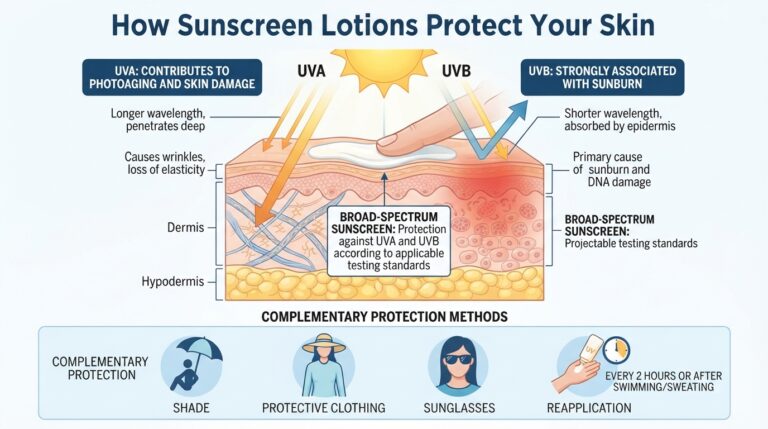
- Prevents Fading: UV rays can cause the ink in your tattoo to fade over time. Sunscreen acts as a barrier against these harmful rays.
- Reduces Risk of Infection: Protecting a healing tattoo from sun exposure can help minimize the risk of infection, which is critical in the early stages of healing.
- Maintains Skin Health: Sun exposure can lead to skin damage, including sunburn and long-term issues like premature aging.
Understanding Tattoo Healing Stages
To answer the question of when you can start putting sunscreen on your tattoo, it is essential first to understand the various stages of tattoo healing. Typically, the healing process can be broken down into three primary phases:
1. Initial Healing (Days 1-10)
During this phase, your tattoo is still an open wound. The skin may be red, swollen, and oozing. It’s crucial to avoid applying any products, including sunscreen, during this time. Instead, focus on:
- Keeping the tattoo clean and dry.
- Applying an appropriate healing ointment as instructed by your tattoo artist.
- Avoiding direct sunlight and soaking in water.
2. Peeling and Itching (Days 10-21)
As the skin begins to heal, you may notice peeling and itching. This phase is crucial for the tattoo’s appearance and integrity. You still should not apply sunscreen at this time. Instead, consider:
- Moisturizing with fragrance-free lotions.
- Continuing to avoid sun exposure.
3. Complete Healing (3 Weeks and Beyond)
After about three weeks, most tattoos have healed sufficiently, although deeper layers of skin may take longer. At this stage, you can start considering the application of sunscreen:
- Use a broad-spectrum sunscreen with an SPF of 30 or higher.
- Opt for a non-comedogenic and fragrance-free formula to avoid irritations.
When to Start Applying Sunscreen
So, when can I start putting sunscreen on my tattoo? Generally, it is safe to start applying sunscreen on a fully healed tattoo after about three weeks. However, this can vary based on individual healing rates and the size and placement of the tattoo. Here are some indicators that your tattoo may be ready for sunscreen:
- The redness has subsided.
- There is no more peeling or oozing.
- The skin feels smooth and no longer tender to the touch.
Choosing the Right Sunscreen for Your Tattoo
Not all sunscreens are created equal, especially when it comes to protecting your tattoo. Here are some tips for selecting the right product:
- Broad-Spectrum Protection: Ensure the sunscreen protects against both UVA and UVB rays.
- SPF 30 or Higher: Look for a sunscreen with at least SPF 30 for adequate protection.
- Water-Resistant: If you plan on swimming or sweating, opt for water-resistant formulas.
- Non-comedogenic: This is especially important if your tattoo is in an area prone to acne or irritation.
How to Apply Sunscreen on Your Tattoo
Once your tattoo is ready for sunscreen, proper application is crucial for maximum protection. Follow these steps for the best results:
- Ensure the tattoo is completely healed and dry.
- Apply a generous amount of sunscreen to the tattooed area.
- Gently rub it in until fully absorbed.
- Reapply every two hours, or more frequently if swimming or sweating.
Additional Aftercare Tips for Tattoos
In addition to using sunscreen, following these aftercare tips can help maintain the quality and appearance of your tattoo:
- Avoid Sun Exposure: Try to keep your tattoo covered when spending extended periods in the sun, especially during the initial healing phase.
- Stay Hydrated: Drink plenty of water to keep your skin hydrated, promoting better healing.
- Moisturize Regularly: Use a gentle, fragrance-free lotion to keep the skin moisturized.
Common Myths About Sunscreen and Tattoos
There are several misconceptions surrounding the use of sunscreen on tattoos. Let’s debunk a few of the most common myths:
Myth 1: Sunscreen Will Fade My Tattoo
Many people fear that sunscreen might fade their tattoos. In reality, a good quality sunscreen protects the ink from UV damage, helping to maintain its vibrancy.
Myth 2: You Only Need Sunscreen in Summer
UV rays can harm your skin year-round, not just in summer. It’s important to use sunscreen whenever you’re going to be exposed to sunlight, regardless of the season.
Myth 3: All Sunscreens Are Safe for Tattoos
Some sunscreens contain ingredients that can irritate sensitive, healing skin. Always choose products that are tattoo-friendly, as mentioned earlier.
Conclusion
Understanding when to start putting sunscreen on your tattoo is vital for its long-term care and vibrancy. By waiting until your tattoo is fully healed—typically around three weeks—you can help protect it from harmful UV rays while ensuring it stays as beautiful as the day you got it. Remember to choose the right sunscreen, apply it properly, and follow essential aftercare tips for maintaining your tattoo’s appearance. With these strategies in place, your tattoo can remain a stunning piece of art for years to come.