
When it comes to sun protection, a common question arises: can I use face sunscreen on my body? Many people wonder if the product that effectively shields their delicate facial skin from harmful UV rays can also serve the rest of their body. With the sun’s harmful rays posing significant risks to skin health, understanding the nuances between facial and body sunscreens is crucial for effective sun protection.
The Importance of Sunscreen
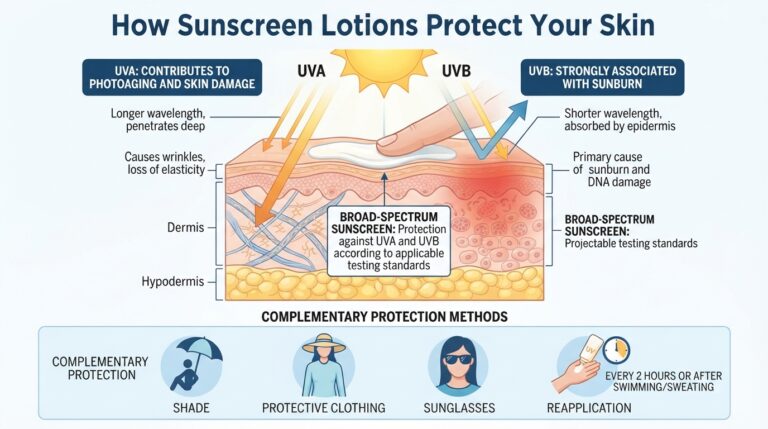
Sunscreen is an essential component of any skincare regimen. It protects against the sun’s ultraviolet (UV) rays, which can cause skin damage, premature aging, and increase the risk of skin cancer. According to the Skin Cancer Foundation, about 1 in 5 Americans will develop skin cancer in their lifetime, highlighting the necessity of proper sun protection.
Understanding Facial and Body Sunscreens
Before answering the question of whether you can use face sunscreen on your body, it’s important to understand the differences between facial and body sunscreens.
Formulation Differences
Facial sunscreens are often formulated to cater to the unique needs of facial skin, which is generally more sensitive and prone to breakouts compared to body skin. Here are some key differences:
- Texture: Facial sunscreens typically have a lighter texture to absorb quickly and avoid clogging pores.
- Ingredients: They may include additional skincare ingredients like antioxidants, moisturizers, or anti-aging compounds, which might not be present in body sunscreens.
- SPF Levels: Facial sunscreens often have a higher SPF and PA rating to provide better protection against UV rays.
- Fragrance and Irritants: Facial sunscreens tend to be fragrance-free and formulated to minimize irritation, catering to sensitive skin types.
Body Sunscreens: What to Know
Body sunscreens, on the other hand, are designed for larger areas and may have a thicker consistency. Some characteristics include:
- Consistency: They often have a thicker formula, making them suitable for easy application on larger areas of skin.
- Water Resistance: Many body sunscreens are formulated to be more water-resistant, ideal for activities like swimming or sweating.
- Cost-Effectiveness: Body sunscreens are usually available in larger sizes and are often more economical for covering larger skin areas.
Can You Use Face Sunscreen on Your Body?
The short answer is yes; you can use face sunscreen on your body. However, there are important considerations to keep in mind:
Skin Sensitivity
If you have sensitive skin or are prone to breakouts, using a facial sunscreen on your body may be beneficial. These products are typically gentler and less likely to cause irritation compared to some body sunscreens. However, if you’re using a facial sunscreen that is designed to be non-comedogenic (won’t clog pores), it may be a better choice for facial use.
Cost Considerations
Facial sunscreens are often more expensive than body sunscreens due to their specialized formulations. If you’re looking for a cost-effective solution for sun protection on larger areas of your body, it might be worth investing in a dedicated body sunscreen.
Effectiveness
While using face sunscreen on your body can provide adequate protection, it may not be as effective for all activities. For instance, if you’re spending extended periods outdoors or engaging in water sports, a body sunscreen that offers higher water resistance and broader coverage may be more suitable.
When to Use Facial Sunscreen on Your Body
There are specific scenarios where using facial sunscreen on your body can be advantageous:
- Quick Touch-Ups: If you’re outdoors and need to reapply sunscreen, using your facial sunscreen can be a quick fix.
- Traveling: When packing light, it’s practical to carry one sunscreen for both face and body.
- Sensitive Areas: Areas like the neck, chest, and back of the hands often require gentler formulations.
Best Practices for Sun Protection
Regardless of the type of sunscreen you choose, following best practices for application can significantly enhance your protection against UV rays:
Application Tips
- Choose the Right SPF: Opt for a broad-spectrum sunscreen with at least SPF 30.
- Apply Generously: Use about one ounce (a shot glass full) for full body coverage.
- Reapply Regularly: Reapply every two hours or immediately after swimming or sweating.
- Don’t Forget Other Areas: Apply sunscreen to often-missed spots like the ears, back of the neck, and the tops of your feet.
Combining with Other Sun Protection Methods
Sunscreen should be part of a comprehensive sun protection strategy, which includes:
- Wearing Protective Clothing: Long sleeves, hats, and UV-blocking sunglasses can provide additional protection.
- Seeking Shade: Whenever possible, stay in the shade, especially between 10 a.m. and 4 p.m. when UV rays are strongest.
- Avoiding Tanning Beds: Tanning beds can significantly increase the risk of skin cancer.
Conclusion
In conclusion, the question “can I use face sunscreen on my body?” has a practical answer: yes, but with certain considerations. While facial sunscreens can be effective on the body, understanding their unique formulations and intended uses is essential. For optimal sun protection, it’s best to choose the right product for each area of your body and adhere to best practices for application. By being informed and proactive about sun protection, you can enjoy outdoor activities while safeguarding your skin’s health for years to come.