
As the sun shines brightly, many of us are eager to soak in its rays. However, a common question arises: will you still tan with sunscreen? This inquiry is crucial for anyone looking to enjoy the sun safely while still achieving that sun-kissed glow. In this article, we will explore how sunscreen works, the types of tanning, and tips on how to protect your skin while enjoying time outdoors.
Understanding Sunscreen: How It Works
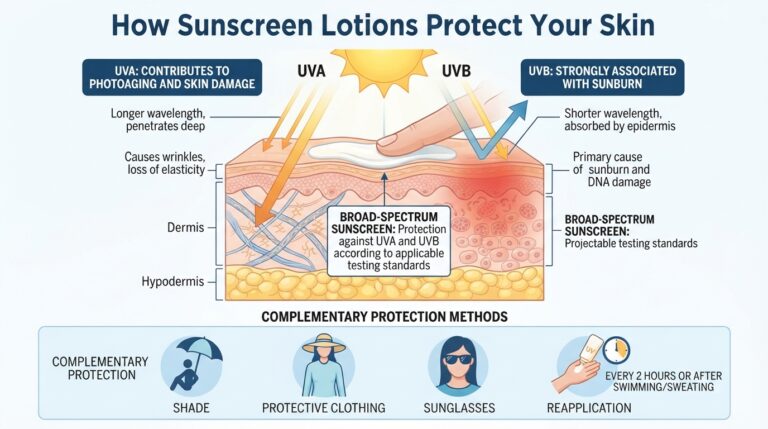
Sunscreen is a vital part of any skincare regimen, especially during the summer months. It helps protect your skin from the harmful effects of ultraviolet (UV) rays emitted by the sun. These rays can lead to sunburn, premature aging, and even skin cancer. But how does sunscreen actually work?
Types of UV Rays
There are two primary types of UV rays to be aware of:
- UVA Rays: These rays penetrate deep into the skin and are primarily responsible for aging and long-term skin damage.
- UVB Rays: These rays are responsible for sunburn and are the primary cause of skin cancer.
How Sunscreen Protects Your Skin
Sunscreens contain active ingredients that either absorb, reflect, or scatter UV rays. There are two main categories of sunscreen ingredients:
- Chemical Sunscreens: These contain organic compounds like oxybenzone and avobenzone that absorb UV radiation.
- Physical (Mineral) Sunscreens: These contain natural minerals like zinc oxide or titanium dioxide that sit on the skin’s surface and reflect UV rays.
Using sunscreen regularly can significantly reduce your risk of skin damage. However, it is important to understand how it interacts with tanning processes.
The Science of Tanning
Tanning occurs when your skin is exposed to sunlight, and it produces melanin, the pigment responsible for skin color. When UV rays penetrate the skin, they trigger the production of melanin as a natural defense mechanism against further damage. This process raises the question: does the application of sunscreen affect tanning?
Will You Still Tan with Sunscreen?
The short answer is yes, you can still tan while wearing sunscreen. However, the degree of tanning may vary based on several factors:
- SPF Level: The Sun Protection Factor (SPF) indicates how much UVB protection a sunscreen offers. Higher SPF levels will reduce the amount of UVB radiation reaching your skin, resulting in less tanning.
- Application: Sunscreen must be applied liberally and evenly to be effective. If you miss spots or don’t use enough, you may still tan in those areas.
- Skin Type: Individuals with lighter skin tend to tan less effectively than those with darker skin, even with sunscreen.
- Duration of Exposure: The longer you stay in the sun, the more likely you are to tan, regardless of sunscreen application.
Benefits of Tanning with Sunscreen
While some may be wary of tanning, there are benefits to achieving a slight tan while using sunscreen:
- Gradual Tanning: Sunscreen allows for a gradual tan, which can be healthier and safer than prolonged sun exposure without protection.
- Protection from Damage: Sunscreen helps mitigate the risk of sunburn, skin aging, and skin cancer, even if you do tan.
- Even Skin Tone: Applying sunscreen can help ensure a more even tan across your body, avoiding patchy areas.
How to Tan Safely with Sunscreen
If you’re looking to tan safely while using sunscreen, consider the following tips:
- Choose the Right SPF: Opt for a broad-spectrum sunscreen with an SPF of at least 30.
- Apply Generously: Use about one ounce (a shot glass full) for your entire body. Reapply every two hours, or more often if swimming or sweating.
- Timing is Key: Limit sun exposure during peak UV hours, typically between 10 AM and 4 PM, when the sun’s rays are strongest.
- Stay Hydrated: Drink plenty of water to keep your skin hydrated and healthy while tanning.
- Consider Gradual Tanning Products: Use self-tanners or bronzers for added color without sun exposure.
Common Myths About Sunscreen and Tanning
There are several myths surrounding sunscreen usage and tanning. Let’s debunk some of the most common misconceptions:
- Myth 1: Sunscreen prevents all tanning.
- Myth 2: You don’t need sunscreen on cloudy days.
- Myth 3: Higher SPF means you can stay in the sun longer without reapplication.
- Myth 4: You only need sunscreen if you’re swimming or sweating.
Understanding Skin Types and Their Response to Sunscreen
Different skin types can react differently to sun exposure and sunscreen. Understanding your skin type is crucial for effective tanning and protection.
Skin Type Classification
According to the Fitzpatrick scale, skin types are classified as follows:
| Skin Type | Description | Response to Sun |
|---|---|---|
| Type I | Very fair, often with freckles | Always burns, never tans |
| Type II | Fair skin, light hair | Burns easily, tans minimally |
| Type III | Medium skin | Burns moderately, tans gradually |
| Type IV | Olive skin | Burns minimally, tans easily |
| Type V | Brown skin | Rarely burns, tans easily |
| Type VI | Dark brown or black skin | Never burns, tans very easily |
Knowing your skin type can help you choose the right sunscreen and determine your tanning strategy.
Conclusion: Enjoy the Sun Responsibly
In conclusion, the answer to the question “will you still tan with sunscreen?” is indeed yes. Sunscreen allows you to enjoy the sun while protecting your skin from its harmful effects. By understanding how sunscreen works, the science of tanning, and the best practices for sun exposure, you can achieve a beautiful tan while prioritizing your skin’s health.
Remember to choose the right SPF, apply generously, and stay hydrated. By following these guidelines, you can bask in the sun’s warmth and embrace your desired glow with confidence, knowing that you are taking the necessary steps to protect your skin.