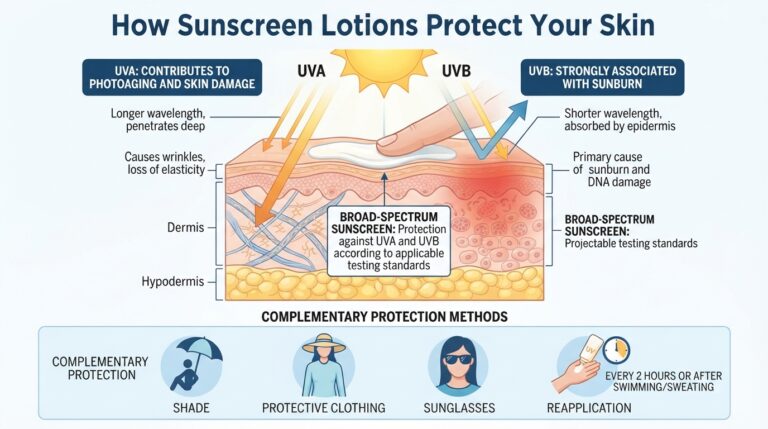


Experiencing a sunscreen allergy on your face can be both frustrating and uncomfortable. Understanding how to treat sunscreen allergy on the face is essential for anyone who enjoys sun exposure but is sensitive to certain ingredients in sunscreens. This comprehensive guide will walk you through the causes, symptoms, treatment options, and preventive measures to ensure your skin stays protected without adverse reactions.
Understanding Sunscreen Allergy
A sunscreen allergy is a skin reaction caused by certain chemicals found in many sunscreen products. While these products are essential for protecting your skin from harmful UV rays, some individuals may experience allergic reactions that can lead to redness, itching, and irritation. Let’s dive deeper into the causes and symptoms of sunscreen allergies.
Common Causes of Sunscreen Allergy
Allergic reactions to sunscreen can stem from various ingredients. Here are some common culprits:
- Oxybenzone: A common chemical sunscreen agent linked to allergic reactions.
- Fragrance: Added for scent, fragrances can irritate sensitive skin.
- Preservatives: Ingredients like parabens can cause reactions in some individuals.
- Mineral Ingredients: Zinc oxide and titanium dioxide can also trigger allergies, though they are generally less reactive.
Symptoms of Sunscreen Allergy
If you’re allergic to sunscreen, you might notice the following symptoms:
- Redness and irritation on the skin
- Rash or hives
- Itching or burning sensation
- Swelling in the affected area
These symptoms can appear shortly after applying the sunscreen or may develop over time with repeated exposure.
Treating Sunscreen Allergy on the Face
If you suspect you have a sunscreen allergy, it’s crucial to take immediate steps to alleviate symptoms and prevent further reactions. Here’s how to treat sunscreen allergy on the face effectively:
1. Discontinue Use of the Product
The first step is to stop using the sunscreen that triggered the reaction. This will help prevent further irritation and allow your skin to begin healing.
2. Cleanse the Affected Area
Gently cleanse your face with a mild, fragrance-free cleanser. Avoid scrubbing, as this can further irritate your skin. Rinse thoroughly with lukewarm water and pat dry with a soft towel.
3. Apply Cool Compresses
Using a cool compress can help soothe itching and reduce inflammation. Simply soak a clean cloth in cool water, wring it out, and apply it to the affected area for 10-15 minutes.
4. Use Anti-itch Creams
Over-the-counter hydrocortisone cream can help relieve itching and inflammation. Apply a thin layer to the affected area as needed, but avoid using it for prolonged periods without consulting a healthcare professional.
5. Take Antihistamines
Oral antihistamines such as loratadine or cetirizine can help relieve allergic symptoms. Follow the dosage instructions on the package and consult your doctor if you have concerns.
6. Moisturize the Skin
Keeping your skin moisturized is essential during recovery. Use a gentle, fragrance-free moisturizer to help restore the skin barrier. Look for products containing:
- Hyaluronic acid
- Glycerin
- Ceramides
When to Seek Medical Attention
In some cases, a sunscreen allergy can lead to more severe reactions or complications. Seek medical attention if you experience:
- Severe swelling or hives
- Difficulty breathing or swallowing
- Symptoms that do not improve with at-home treatment
Preventing Future Reactions
Once you’ve managed your sunscreen allergy, it’s crucial to take steps to prevent future reactions. Here are some tips to keep in mind:
1. Patch Test New Products
Before applying a new sunscreen to your face, perform a patch test on a small area of skin. Apply a small amount and wait 24 hours to see if any reaction occurs.
2. Choose Hypoallergenic Sunscreens
Opt for sunscreen products labeled as hypoallergenic or formulated for sensitive skin. These products are generally less likely to contain irritants.
3. Look for Physical Sunscreens
Consider using mineral-based sunscreens with zinc oxide or titanium dioxide. These ingredients tend to be gentler on the skin and are less likely to cause allergies.
4. Read Ingredient Labels
Pay close attention to the ingredient lists of sunscreen products. Avoid those containing known allergens or irritants.
5. Consult a Dermatologist
If you have a history of skin allergies, consider consulting a dermatologist. They can help you identify safe products and provide personalized recommendations.
Conclusion
A sunscreen allergy on the face can be a distressing experience, but with the right knowledge and proactive measures, you can manage and treat it effectively. Remember to discontinue use of any products that cause a reaction, cleanse your skin gently, and seek medical help if necessary. By choosing the right sunscreens and adopting preventive strategies, you can enjoy sun protection without the risk of allergic reactions. Stay sun-safe while keeping your skin healthy!