

Many people wonder, “Why does sunscreen break me out?” This common concern can lead to frustration, especially when trying to protect your skin from harmful UV rays. In this article, we will explore the reasons why sunscreen may cause breakouts and provide practical solutions to help you find the right sunscreen for your skin type.
The Importance of Sunscreen
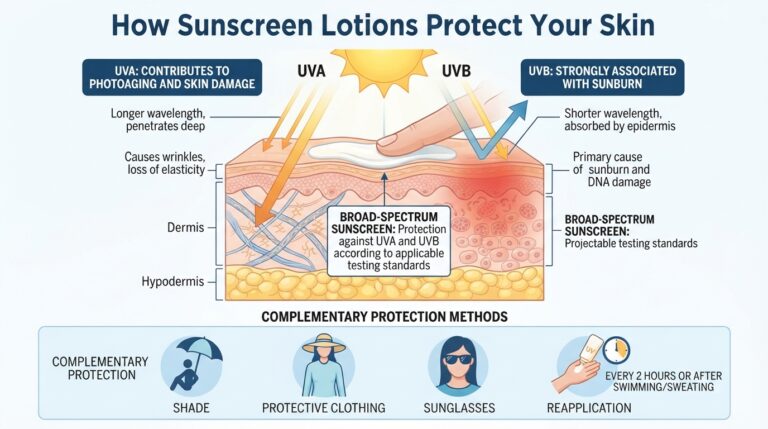
Before delving into why sunscreen can cause breakouts, it’s crucial to understand the importance of sunscreen in your skincare routine. Sunscreen serves several essential functions:
- Prevents Skin Cancer: Regular use of sunscreen significantly reduces the risk of skin cancer.
- Prevents Premature Aging: Sunscreen protects against UV rays that accelerate skin aging, leading to wrinkles and fine lines.
- Maintains Even Skin Tone: Sunscreen helps prevent dark spots and hyperpigmentation caused by sun exposure.
Common Ingredients in Sunscreen
Sunscreens come in various formulations, each containing different active ingredients. Understanding these ingredients can help pinpoint potential causes of breakouts. Here are some common types:
| Ingredient Type | Examples | Skin Type Suitability |
|---|---|---|
| Chemical Sunscreens | Avobenzone, Octisalate, Oxybenzone | Oily/Combination Skin |
| Physical (Mineral) Sunscreens | Zinc Oxide, Titanium Dioxide | Sensitive/Acne-Prone Skin |
Why Does Sunscreen Break Me Out?
Now that we understand the importance of sunscreen and its common ingredients, let’s explore the primary reasons why sunscreen may break you out:
1. Comedogenic Ingredients
Some sunscreens contain comedogenic ingredients, meaning they can clog pores. This clogging leads to the formation of acne and blackheads. If you have oily or acne-prone skin, look for non-comedogenic products. Ingredients to avoid include:
- Isopropyl Myristate
- Coconut Oil
- Lanolin
2. Heavy Formulations
Many sunscreens, especially those marketed as moisturizing, can be heavy and greasy. These formulations may not absorb well into the skin, leading to a buildup of product on the surface, which can trigger breakouts. Opt for lightweight, gel-based or oil-free sunscreens if you find that heavy creams cause issues.
3. Allergic Reactions
Some individuals may have allergies or sensitivities to specific sunscreen ingredients. This can cause irritation, resulting in red, inflamed skin and breakouts. If you suspect an allergy, consider patch-testing new products or consulting a dermatologist for recommendations.
4. Skin Type Mismatch
Choosing the wrong type of sunscreen for your skin type can also lead to breakouts. For example, individuals with oily skin should avoid thick creams that can exacerbate oiliness. On the other hand, those with dry skin may need a more emollient formula. Understanding your skin type is essential for selecting the right product.
5. Poor Application Techniques
Improper application can also contribute to breakouts. If you apply too much product or fail to blend it properly, it can sit on the skin’s surface and clog pores. To avoid this, follow these application tips:
- Apply sunscreen to clean, dry skin.
- Use a small amount and evenly distribute it across the face.
- Allow the sunscreen to absorb before applying makeup.
How to Choose the Right Sunscreen
Finding the right sunscreen can significantly reduce the chances of breakouts. Here are some tips to help you choose wisely:
1. Look for Non-Comedogenic Formulas
Always opt for sunscreens labeled as non-comedogenic. These products are formulated to minimize the risk of clogged pores.
2. Choose the Right SPF
While SPF 30 is generally sufficient for everyday use, consider higher SPF for prolonged sun exposure. Remember, higher SPF does not mean you can stay in the sun longer; reapplication is crucial.
3. Consider Your Skin Type
Identify your skin type to find the best sunscreen formulation:
- Oily Skin: Gel-based or oil-free sunscreens.
- Dry Skin: Cream-based or moisturizing sunscreens.
- Sensitive Skin: Mineral-based sunscreens with fewer irritants.
4. Read the Labels
Check the ingredient list for potential irritants. If you have sensitive skin, avoid fragrances and alcohols that may exacerbate breakouts.
5. Test Before Committing
Before using a new sunscreen, apply a small amount to a discreet area of your skin. This patch test can help you identify any adverse reactions before applying it to your entire face.
Tips for Preventing Breakouts When Using Sunscreen
Even with the right sunscreen, some individuals may still experience breakouts. Here are additional tips to mitigate this issue:
1. Maintain a Consistent Skincare Routine
Regular cleansing, exfoliation, and moisturizing can help keep your skin healthy and less prone to breakouts. A gentle exfoliant can remove dead skin cells and prevent clogged pores.
2. Use Oil-Free Makeup
If you wear makeup, ensure that it is oil-free and non-comedogenic. Layering heavy products over sunscreen can lead to breakouts.
3. Reapply Sunscreen Regularly
Make it a habit to reapply sunscreen every two hours, especially if you’re outdoors or sweating. This will help maintain protection without needing to apply a heavy layer.
4. Stay Hydrated and Eat Well
Hydration and a balanced diet play critical roles in skin health. Drinking plenty of water and consuming a diet rich in antioxidants can support your skin from within.
When to Consult a Dermatologist
If you continue to experience breakouts despite trying various sunscreens and skincare routines, it may be time to consult a dermatologist. They can:
- Identify underlying skin conditions.
- Recommend suitable products tailored to your skin type.
- Provide professional treatments for persistent acne or irritation.
Conclusion
Understanding why sunscreen breaks you out is crucial for maintaining healthy skin while protecting against sun damage. By recognizing comedogenic ingredients, choosing the right formulation for your skin type, and employing proper application techniques, you can enjoy the benefits of sunscreen without the unwanted side effects. Remember, every skin is unique, so it may take some experimentation to find the perfect sunscreen for you. Always prioritize your skin’s health, and don’t hesitate to seek professional guidance when needed.