
When it comes to skincare, one question that often arises is, do you put sunscreen before or after moisturizer? This seemingly simple query can lead to confusion, yet it plays a crucial role in protecting your skin from harmful UV rays while ensuring your skin remains hydrated.
The Importance of Sunscreen and Moisturizer
Before diving into the application order, it’s essential to understand the roles of both sunscreen and moisturizer in your skincare routine.
Why Sunscreen is Essential
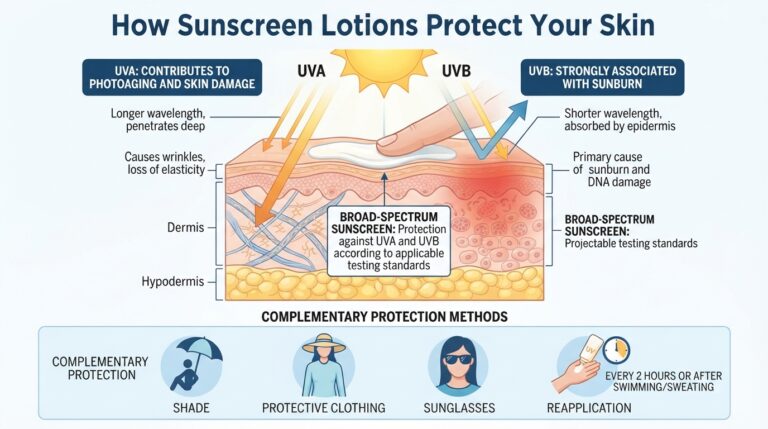
Sunscreen is your first line of defense against the sun’s harmful UV rays, which can lead to skin cancer, premature aging, and other skin issues. Regular use of sunscreen can significantly reduce the risk of these problems. According to the Skin Cancer Foundation, daily use of SPF 15 or higher can reduce the risk of developing melanoma by 50%.
The Role of Moisturizer
Moisturizers help keep your skin hydrated and can prevent dryness and irritation. They create a barrier that locks in moisture and can improve your skin’s overall appearance. Ingredients like hyaluronic acid, glycerin, and ceramides are commonly found in moisturizers and are excellent for retaining moisture.
The Correct Order: Sunscreen Before or After Moisturizer?
Now that we understand the importance of both products, let’s clarify the answer to the burning question: do you put sunscreen before or after moisturizer? The consensus among dermatologists is clear: you should apply sunscreen after moisturizer.
Why Apply Sunscreen After Moisturizer?
Applying sunscreen after moisturizer allows for better absorption and effectiveness of both products. Here are a few reasons to support this order:
- Enhanced Absorption: Moisturizers can create a barrier on your skin, which can help your skin absorb the sunscreen better.
- Prevent Pilling: If you apply sunscreen first, the moisturizer’s heavier texture can lead to pilling, making your skin look uneven.
- Maximized Protection: Sunscreen needs to form a protective layer on the skin to be effective. Applying it on top ensures this layer remains intact.
Step-by-Step Application Process
To help you achieve the best results, here’s a simple step-by-step guide on how to apply your skincare products:
- Cleanser: Start with a gentle cleanser to remove any dirt and impurities.
- Toner (Optional): If you use a toner, apply it next to prep your skin.
- Serum: Apply any serums that target specific skin concerns.
- Moisturizer: Evenly apply your moisturizer to keep your skin hydrated.
- Sunscreen: Finally, apply your sunscreen generously for optimal protection.
Choosing the Right Sunscreen
Not all sunscreens are created equal. Here are some tips for selecting the right one for your skin type:
SPF Rating
Look for a broad-spectrum sunscreen with an SPF of 30 or higher. This provides adequate protection against both UVA and UVB rays.
Skin Type Considerations
| Skin Type | Recommended Sunscreen Type |
|---|---|
| Oily Skin | Gel-based or oil-free sunscreen |
| Dry Skin | Cream-based or hydrating sunscreen |
| Sensitive Skin | Mineral sunscreen with zinc oxide or titanium dioxide |
| Combination Skin | Lightweight lotion sunscreen |
Additional Tips for Sunscreen Application
Applying sunscreen correctly is as important as choosing the right product. Here are some tips to maximize its effectiveness:
- Apply Generously: Use about a nickel-sized amount for your face and enough to cover your entire body.
- Reapply Regularly: Reapply every two hours, or more often if you’re swimming or sweating.
- Don’t Forget Other Areas: Apply sunscreen to often-missed areas like your ears, neck, and the back of your hands.
Common Myths About Sunscreen and Moisturizer
There are several misconceptions surrounding the use of sunscreen and moisturizer. Let’s debunk a few:
Myth 1: You Don’t Need Sunscreen on Cloudy Days
Many people believe that UV rays are not a concern on cloudy days. However, up to 80% of UV rays can penetrate clouds, making sunscreen essential year-round.
Myth 2: SPF in Makeup is Enough
While some makeup products contain SPF, they often do not provide adequate protection when used alone. Always apply a dedicated sunscreen underneath your makeup for full protection.
Skincare Routine Adjustments
Your skincare routine may need adjustments based on the season or your skin’s changing needs. Here are some considerations:
Summer vs. Winter
During summer, you may prefer lighter moisturizers paired with a matte-finish sunscreen. In winter, opt for richer moisturizers that cater to dry skin while ensuring your sunscreen still offers hydration.
Active Ingredients
If you’re using active ingredients like retinol or AHAs, apply these before your moisturizer. Always consult with a dermatologist to understand how these ingredients interact with sunscreen.
Conclusion
In summary, the correct order of applying skincare products is to put sunscreen after moisturizer. This ensures optimal absorption, effectiveness, and protection from the sun’s harmful rays. By following the step-by-step application process and choosing the right products for your skin type, you can maintain healthy, protected skin. Remember, incorporating sunscreen into your daily routine is not just a summer necessity but a year-round commitment to skin health. So, when you ask, do you put sunscreen before or after moisturizer, the answer is clear: apply it afterward, and your skin will thank you.