
When it comes to skincare, one question that often arises is, “Does sunscreen help with dark spots?” The short answer is yes, but the topic warrants a deeper exploration. Dark spots, also known as hyperpigmentation, can be a source of concern for many individuals. Understanding how sunscreen works can shed light on its role in preventing and treating these pesky blemishes.
What Are Dark Spots?
Dark spots are areas of skin that become darker than the surrounding skin due to excess melanin production. They can occur for various reasons, including:
- Sun exposure
- Hormonal changes
- Aging
- Skin injuries or inflammation
While these spots are usually harmless, they can affect one’s confidence and overall appearance. This is where the use of sunscreen becomes essential. But how does it actually help?
The Science Behind Sunscreen
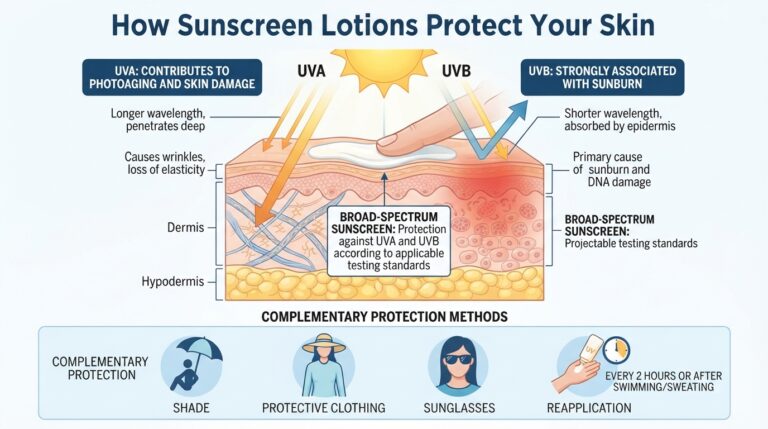
Sunscreen is designed to protect the skin from the harmful effects of ultraviolet (UV) radiation. There are two main types of UV rays:
- UVA Rays: These rays penetrate deep into the skin and are primarily responsible for premature aging and dark spots.
- UVB Rays: These rays are responsible for sunburns and can also contribute to skin cancer.
Most sunscreens provide a combination of protection against both UVA and UVB rays, which is crucial for maintaining healthy skin. The SPF (Sun Protection Factor) rating indicates how well the sunscreen can protect against UVB rays, while PA ratings often indicate the level of UVA protection.
How Does Sunscreen Prevent Dark Spots?
Now that we understand what dark spots are and how sunscreen works, let’s delve into how sunscreen helps in preventing and diminishing these spots:
1. Protecting Against UV Damage
One of the primary roles of sunscreen is to shield the skin from UV damage. When the skin is exposed to UV rays, it can trigger an increase in melanin production as a defense mechanism. This overproduction leads to dark spots. By applying sunscreen regularly, you can significantly reduce your skin’s exposure to these harmful rays, thereby minimizing the risk of developing new dark spots.
2. Preventing Existing Spots from Darkening
If you already have dark spots, sunscreen plays a crucial role in preventing them from becoming darker. Continuous sun exposure can exacerbate existing pigmentation issues, making it essential to protect your skin daily.
3. Enhancing the Effectiveness of Other Treatments
Many people use topical treatments to lighten dark spots, such as retinoids, vitamin C, and hydroquinone. However, these treatments can be less effective if not combined with proper sun protection. Sunscreen acts as a barrier that helps the active ingredients in these treatments perform better, leading to more noticeable results.
Choosing the Right Sunscreen
Not all sunscreens are created equal. Here are some essential factors to consider when selecting a sunscreen, especially if you’re concerned about dark spots:
1. Broad-Spectrum Protection
Always opt for a broad-spectrum sunscreen that protects against both UVA and UVB rays. This will ensure comprehensive coverage against the sun’s harmful effects.
2. SPF Rating
A sunscreen with at least SPF 30 is recommended for daily use. Higher SPF ratings offer more protection, which can be beneficial for those with a history of sun damage or dark spots.
3. Skin Type Compatibility
Choose a sunscreen that suits your skin type. For example:
- Oily or Acne-Prone Skin: Look for non-comedogenic and oil-free formulas.
- Dry Skin: Consider cream-based or hydrating sunscreens.
4. Water Resistance
If you plan to swim or sweat, opt for a water-resistant formula. This ensures that the sunscreen remains effective even when exposed to moisture.
Application Tips for Maximum Effectiveness
Applying sunscreen correctly is just as important as choosing the right product. Here are some tips for effective sunscreen application:
- Apply sunscreen generously at least 15 minutes before sun exposure.
- Use about one ounce (a shot glass full) of sunscreen to cover your entire body.
- Reapply every two hours, or more frequently if swimming or sweating.
- Don’t forget areas like the ears, neck, and the tops of your feet.
Complementing Sunscreen with Other Skincare Practices
While sunscreen is a vital component of an effective skincare routine for preventing dark spots, it should not be the only line of defense. Here are additional practices to consider:
1. Incorporate Antioxidants
Using products rich in antioxidants, such as vitamin C, can help combat oxidative stress caused by UV exposure. This can enhance the effectiveness of sunscreen and aid in reducing the appearance of dark spots.
2. Regular Exfoliation
Exfoliation helps remove dead skin cells, promoting cell turnover and allowing for brighter skin. However, be cautious not to over-exfoliate, as this can irritate the skin and lead to more pigmentation issues.
3. Stay Hydrated
Drinking plenty of water and maintaining a healthy diet can also improve skin health. Foods rich in vitamins C and E, along with omega-3 fatty acids, can support skin repair and resilience.
When to Consult a Dermatologist
If dark spots persist despite diligent sunscreen use and skincare efforts, it may be time to consult a dermatologist. They can provide tailored advice and treatment options, such as:
- Prescription-strength topical treatments
- Laser therapy
- Chemical peels
These professional treatments can complement your sunscreen routine and help achieve your desired skin tone.
Conclusion
In conclusion, the answer to the question, “Does sunscreen help with dark spots?” is a resounding yes. Sunscreen is an essential tool in the prevention and management of dark spots, protecting the skin from UV damage and enhancing the effectiveness of other treatments. By choosing the right sunscreen, applying it correctly, and incorporating additional skincare practices, you can maintain healthy, radiant skin free from dark spots. Remember, consistent sun protection is not just a seasonal choice; it should be a daily habit for long-term skin health.