
When it comes to sun protection, many of us find ourselves asking, is spray sunscreen as effective as lotion? With the increasing variety of sunscreen options available, it’s essential to understand how each type performs to ensure we’re adequately protected from harmful UV rays. In this article, we’ll delve into the effectiveness of spray sunscreens compared to traditional lotions, helping you make an informed choice for your sun protection needs.
Understanding Sunscreen: The Basics
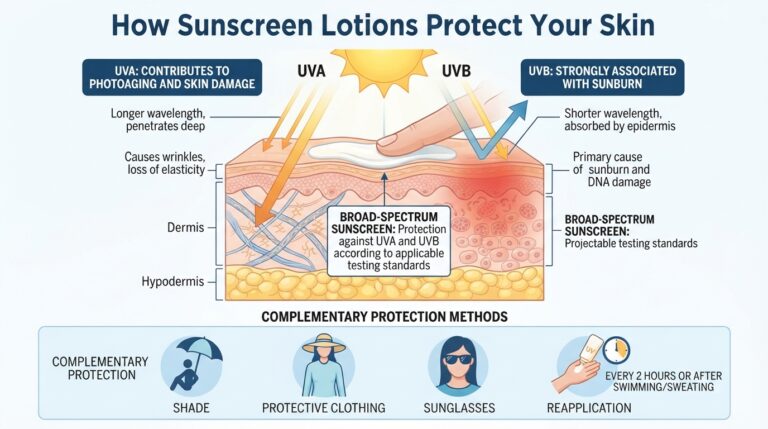
Before we compare spray sunscreens and lotions, let’s review what sunscreen is and why it’s crucial for skin health. Sunscreen protects your skin by absorbing or reflecting harmful ultraviolet (UV) rays from the sun. These rays can lead to skin damage, premature aging, and increase the risk of skin cancer.
Types of UV Rays
There are two main types of UV rays that sunscreens protect against:
- UVA rays: These rays penetrate deep into the skin and contribute to premature aging and skin cancer.
- UVB rays: These rays primarily affect the surface of the skin and are responsible for sunburns.
Understanding SPF
Sun Protection Factor (SPF) measures how well a sunscreen can protect your skin from UVB rays. For example, an SPF of 30 means that it would take 30 times longer for your skin to burn than if you weren’t wearing sunscreen. However, SPF does not indicate the level of protection against UVA rays, which is why broad-spectrum products are recommended.
Spray Sunscreen vs. Lotion Sunscreen
Now that we have a grasp of the basics, let’s examine the differences between spray sunscreen and lotion sunscreen. Both types aim to protect against UV rays, but they have unique properties that make them suitable for different situations.
Application Methods
One of the most significant differences between spray and lotion sunscreens is in the method of application:
- Spray Sunscreen: Spray sunscreens are typically aerosol or pump sprays that deliver a fine mist onto the skin. They are convenient for quick application and reapplication, especially for hard-to-reach areas.
- Lotion Sunscreen: Lotions are thicker and require rubbing into the skin, which can ensure more even coverage but may take longer to apply.
Effectiveness: What the Research Says
When considering whether spray sunscreen is as effective as lotion, studies have shown mixed results. A few key points to consider include:
- Research indicates that both spray and lotion sunscreens can offer similar levels of UV protection if applied correctly.
- Some studies suggest that people might apply spray sunscreens inadequately, leading to uneven coverage and reduced effectiveness.
- According to dermatologists, the risk of inhalation is a concern with spray sunscreens, especially for children.
Pros and Cons of Spray Sunscreen
To better understand the effectiveness of spray sunscreen, let’s weigh the pros and cons:
| Pros | Cons |
|---|---|
| Quick and easy to apply | Can be uneven if not applied thoroughly |
| Easy to reach difficult areas | Risk of inhalation |
| Convenient for on-the-go use | May require more applications due to evaporation |
Pros and Cons of Lotion Sunscreen
Now, let’s explore the advantages and disadvantages of lotion sunscreen:
| Pros | Cons |
|---|---|
| Typically provides more even coverage | Can feel greasy or heavy |
| Less risk of inhalation | Longer application time |
| Variety of formulations available | May not be as convenient for reapplication |
How to Ensure Effective Protection
Regardless of the type of sunscreen you choose, proper application is key to ensuring its effectiveness. Here are some practical tips:
1. Apply Generously
Whether using spray or lotion, make sure to apply a sufficient amount. A general guideline is to use about an ounce (a shot glass full) for full body coverage.
2. Reapply Regularly
Reapply sunscreen every two hours, or immediately after swimming, sweating, or towel-drying. Spray sunscreens may require more frequent applications due to evaporation.
3. Use Broad-Spectrum Products
Always choose broad-spectrum sunscreens that protect against both UVA and UVB rays for comprehensive protection.
4. Check Expiration Dates
Sunscreens have a shelf life, so make sure to check the expiration date to ensure optimal effectiveness.
Choosing the Right Sunscreen for You
When deciding between spray sunscreen and lotion, consider the following factors:
- Skin Type: If you have oily skin, a lightweight spray may feel more comfortable. For dry skin, a moisturizing lotion might be better.
- Activity Level: For vigorous activities like swimming or sports, a water-resistant lotion might provide better protection.
- Convenience: If you’re often on the go or have kids, spray sunscreen can be quick and easy.
Conclusion: Making an Informed Choice
In conclusion, the question of whether spray sunscreen is as effective as lotion does not have a straightforward answer. Both types of sunscreen can protect your skin from UV damage if applied properly. It ultimately depends on personal preference, skin type, and lifestyle. By understanding the pros and cons of each, along with best practices for application, you can choose the right sunscreen that fits your needs, ensuring that you stay protected from the sun’s harmful rays.
Remember, regardless of the sunscreen type you select, consistent and correct application is crucial. Enjoy the sun safely!