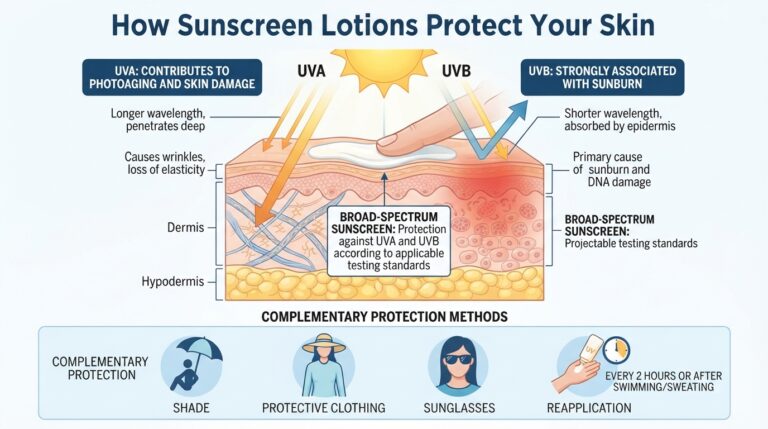

When it comes to protecting your skin from harmful UV rays, you might find yourself asking, is there a difference between sunscreen and sunblock? While the terms are often used interchangeably, they actually refer to distinct products with different formulations and functions. Understanding these differences can help you make informed choices about your sun protection strategy.
What Are Sunscreens and Sunblocks?
To grasp the differences between sunscreen and sunblock, it is essential to first define each product.
Sunscreens
Sunscreens are topical products designed to absorb UV radiation. They contain chemical filters that convert UV rays into heat, which is then released from the skin. These formulations are typically lightweight and come in various forms, including lotions, gels, sprays, and sticks.
Sunblocks
On the other hand, sunblocks provide a physical barrier against the sun’s rays. They often contain mineral ingredients, such as zinc oxide or titanium dioxide, which reflect UV radiation away from the skin. Sunblocks tend to be thicker and may leave a white cast on the skin, but they offer broad-spectrum protection against both UVA and UVB rays.
Key Differences Between Sunscreen and Sunblock
Now that we’ve defined each product, let’s delve into the key differences between sunscreen and sunblock.
Ingredients
| Product Type | Common Ingredients | Function |
|---|---|---|
| Sunscreen | Avobenzone, Octisalate, Octocrylene, Oxybenzone | Absorbs UV radiation |
| Sunblock | Zinc oxide, Titanium dioxide | Reflects UV radiation |
Protection Spectrum
Sunscreens typically provide protection primarily against UVB rays, which are responsible for sunburn and contribute to skin cancer. However, many modern sunscreens now also offer UVA protection. Sunblocks, by virtue of their physical ingredients, provide broad-spectrum protection against both UVA and UVB rays.
Application and Texture
The texture of each product can also be quite different. Sunscreens are often lighter and more easily absorbed, making them suitable for daily wear and under makeup. In contrast, sunblocks are thicker and can leave a noticeable residue on the skin. This might be a consideration for those who prefer a less visible product.
How to Choose the Right Product
Choosing the right sun protection product depends on several factors, including skin type, activities, and personal preference. Here are some tips to help guide your decision:
Skin Type Considerations
- Oily Skin: Opt for oil-free, lightweight sunscreens that won’t clog pores.
- Dry Skin: Look for moisturizing formulas or sunblocks that contain hydrating ingredients.
- Sensitive Skin: Choose sunblocks with mineral ingredients to minimize irritation.
Activity Level
Your choice of product may also depend on your activities:
- If you’re swimming or sweating, look for water-resistant formulas.
- For prolonged sun exposure, consider a sunblock for its broad-spectrum protection.
SPF Rating
SPF, or Sun Protection Factor, is a crucial aspect of sun protection. Here’s a quick breakdown:
- SPF 15: Blocks about 93% of UVB rays.
- SPF 30: Blocks about 97% of UVB rays.
- SPF 50: Blocks about 98% of UVB rays.
For most people, an SPF of 30 or higher is recommended for adequate protection.
Application Tips for Optimal Protection
Regardless of whether you choose sunscreen or sunblock, proper application is key to effective sun protection. Here are some helpful tips:
Timing
- Apply sunscreen or sunblock at least 15-30 minutes before sun exposure to allow for proper absorption.
- Reapply every two hours, or more frequently if swimming or sweating.
Amount to Use
Most adults need about one ounce (approximately a shot glass full) of sunscreen or sunblock to cover their entire body. Don’t forget areas like:
- Face, including ears and neck
- Hands and feet
- Back and shoulders
Common Myths About Sunscreen and Sunblock
There are several misconceptions about sun protection that can lead to inadequate use. Here are a few common myths debunked:
Myth 1: You Only Need Sunscreen on Sunny Days
UV rays can penetrate clouds, so it’s essential to wear sunscreen or sunblock even on overcast days.
Myth 2: Darker Skin Doesn’t Need Sunscreen
While darker skin has more melanin, which provides some natural protection, it is still susceptible to sun damage. Everyone should use sunscreen or sunblock.
Myth 3: SPF 100 Means All-Day Protection
No sunscreen or sunblock offers complete protection. Higher SPF ratings can reduce UVB exposure but still require reapplication.
Conclusion
Understanding the difference between sunscreen and sunblock is crucial for effective skin protection. Both products serve essential roles in shielding your skin from harmful UV rays, but they do so in different ways. By considering your skin type, activities, and the proper application techniques, you can select the right product to keep your skin healthy and protected. Remember, sun protection is not just a summer activity; it’s a year-round necessity for maintaining skin health and preventing long-term damage.