
As summer approaches, many of us are gearing up for beach trips, pool days, and outdoor adventures. With the sun’s rays being more intense, applying sunscreen becomes essential. But a question that’s always in the back of our minds is: is Equate sunscreen reef safe? Understanding the impact of our sunscreen choices on marine ecosystems is crucial for both our health and the environment.
The Importance of Reef-Safe Sunscreen
Coral reefs are vital ecosystems that support a diverse range of marine life. However, they are also incredibly sensitive to environmental changes. Sunscreen, while beneficial for protecting our skin, can pose a significant threat to these underwater habitats. Research indicates that certain chemicals commonly found in sunscreen can contribute to coral bleaching and have harmful effects on marine organisms. This is why choosing reef-safe sunscreen is not just a trend but a necessity.
What Makes Sunscreen Reef Safe?
Reef-safe sunscreens are formulated without harmful ingredients that can damage marine ecosystems. Here are some common components to look for and avoid:
- Oxybenzone: This chemical has been linked to coral bleaching and is known to disrupt the reproductive systems of marine life.
- Octinoxate: Similar to oxybenzone, octinoxate can harm coral reefs and other marine organisms.
- Parabens: These preservatives may disrupt hormone functions in marine life.
- Fragrances and dyes: These can introduce additional harmful chemicals into the ocean.
On the other hand, reef-safe sunscreens typically contain mineral-based ingredients like zinc oxide or titanium dioxide, which are less harmful to marine ecosystems.
Equate Sunscreen Ingredients
Equate sunscreen is a popular choice due to its affordability and effective sun protection. However, before making a purchase, it’s essential to examine its ingredients closely. Equate offers a variety of sunscreen products, including sprays, lotions, and sticks. The formulation may vary, so always check the label. Generally, Equate sunscreens contain the following active ingredients:
- Zinc Oxide: A mineral-based ingredient that provides broad-spectrum sun protection without the harmful effects associated with chemical filters.
- Octocrylene: A chemical sunscreen that stabilizes other UV filters but can be a concern for marine life in high concentrations.
Is Equate Sunscreen Reef Safe?
When considering whether Equate sunscreen is reef safe, it’s essential to analyze the specific product formulations. Many Equate sunscreens contain zinc oxide, which is generally considered reef safe. However, the presence of octocrylene can be a cause for concern, as it has not been thoroughly evaluated for its environmental impact.
To make an informed decision, here’s a quick checklist:
- Check the active ingredients for any harmful chemicals like oxybenzone or octinoxate.
- Look for mineral-based formulas with zinc oxide and titanium dioxide.
- Research customer reviews and expert opinions on the specific Equate product you are considering.
The Impact of Sunscreen on Coral Reefs
Coral reefs are not only beautiful but also crucial for marine biodiversity. Unfortunately, they are increasingly under threat from various human activities, including sunscreen pollution. Studies have shown that concentrations of sunscreen in coastal waters can lead to:
- Coral bleaching, which occurs when corals expel the algae living in their tissues, leading to a loss of color and vital nutrients.
- Disruption of the reproductive systems in fish and other marine life, affecting overall biodiversity.
- Impairment of coral growth and resilience against climate change.
According to research conducted by the National Oceanic and Atmospheric Administration (NOAA), approximately 14,000 tons of sunscreen enter coral reefs each year. This staggering statistic highlights the urgent need for consumers to choose reef-safe products.
Choosing the Right Sunscreen for You
When selecting sunscreen, consider the following factors to ensure you are making a positive choice for both your skin and the environment:
- SPF Rating: Look for a broad-spectrum sunscreen with an SPF of at least 30.
- Water Resistance: If you plan to swim or sweat, choose a water-resistant formula that lasts for at least 40 minutes.
- Application Type: Lotions and creams may provide better coverage than sprays and should be applied generously.
- Environmental Certifications: Look for products labeled as “reef safe” or “ocean-friendly.”
How to Apply Sunscreen Effectively
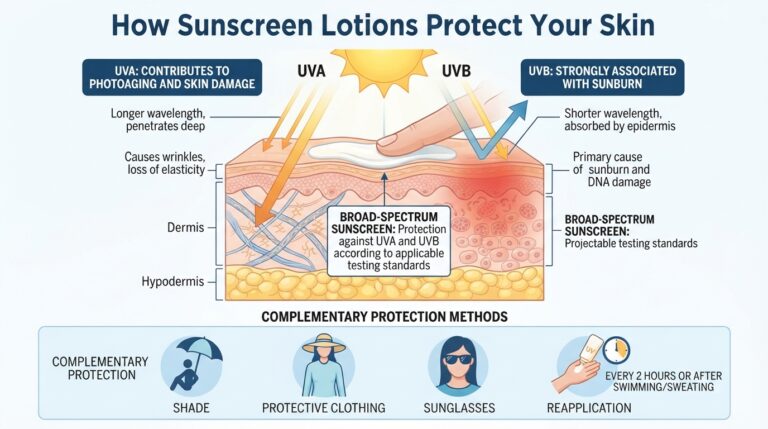
Applying sunscreen correctly is just as important as choosing a reef-safe product. Here are some tips to maximize protection:
- Apply sunscreen generously to all exposed skin at least 15 minutes before sun exposure.
- Reapply every two hours, or immediately after swimming or sweating.
- Use a sufficient amount; most adults need about an ounce (a shot glass full) to cover their bodies adequately.
Alternatives to Traditional Sunscreen
If you’re concerned about the environmental impact of conventional sunscreens, consider these alternatives:
- Mineral Sunscreens: These use zinc oxide or titanium dioxide and are often reef-safe.
- Sunscreen Clothing: Wearing UPF-rated clothing can provide an additional layer of protection against UV rays.
- Physical Barriers: Hats, sunglasses, and umbrellas can help shield your skin from the sun.
Final Thoughts
As we strive to enjoy the sun while protecting our skin, it’s imperative to consider the ecological impact of our choices. While Equate sunscreen has some formulations that may be reef safe, it also includes ingredients that warrant caution. Always check labels, research specific products, and opt for formulations that prioritize the health of our oceans.
By making informed decisions, we can enjoy sunny days at the beach while also protecting the fragile ecosystems that make our planet beautiful. Remember, the ocean is a shared resource, and every small choice counts towards a healthier planet.