
When it comes to skincare routines, one of the most frequently asked questions is, “Do I put sunscreen or moisturizer on first?” Understanding the correct order of application can significantly enhance your skin’s health and protection from environmental factors. In this article, we’ll delve into the nuances of skincare layering, ensuring you have a clear understanding of how to maximize the benefits of both sunscreen and moisturizer.
The Importance of Sunscreen and Moisturizer
Before we address the order of application, it’s essential to recognize the roles of these two products in your skincare routine.
Why Moisturizer Matters
A good moisturizer serves several purposes:
- Hydration: Moisturizers help to maintain skin hydration, preventing dryness and flakiness.
- Barrier Protection: They create a barrier on the skin, locking in moisture and protecting against environmental pollutants.
- Skin Health: Many moisturizers contain beneficial ingredients like antioxidants and vitamins that promote overall skin health.
The Role of Sunscreen
Sunscreen is your skin’s first line of defense against harmful UV radiation. Its benefits include:
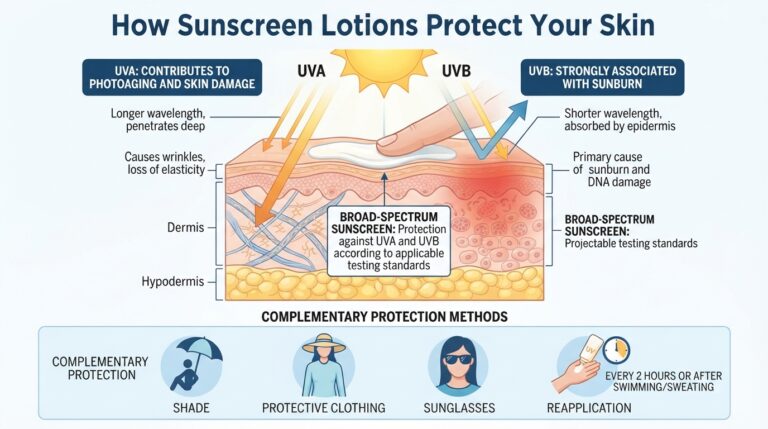
- UV Protection: Sunscreen protects against both UVA and UVB rays, reducing the risk of sunburn and skin cancer.
- Prevention of Premature Aging: Regular use of sunscreen can prevent signs of aging, such as wrinkles and dark spots.
- Even Skin Tone: Sunscreen helps to maintain an even skin tone by preventing hyperpigmentation caused by sun exposure.
The Correct Order: Sunscreen or Moisturizer First?
Now that we understand the significance of both products, let’s tackle the pressing question: do you apply sunscreen or moisturizer first? The consensus among dermatologists and skincare experts is that you should apply moisturizer first, followed by sunscreen.
Why Apply Moisturizer First?
There are several reasons for this order of application:
- Hydration Boost: Applying moisturizer first ensures your skin is well-hydrated, allowing the sunscreen to adhere better and function more effectively.
- Even Application: Moisturizers help create a smooth canvas for sunscreen, preventing it from clumping or becoming unevenly distributed.
- Enhanced Protection: When applied over moisturizer, sunscreen can create a protective barrier without interfering with the skin’s hydration.
How to Properly Apply Moisturizer and Sunscreen
To achieve the best results, follow these steps:
- Cleanse: Start with a clean face using your preferred cleanser.
- Moisturize: Apply a suitable moisturizer based on your skin type. Use upward strokes and allow a few minutes for it to absorb.
- Sunscreen: After the moisturizer has fully absorbed, apply sunscreen generously. Use about a nickel-sized amount for your face and ensure even coverage.
- Reapply: For continued protection, reapply sunscreen every two hours, especially if you’re outdoors or sweating.
Choosing the Right Products
Not all moisturizers and sunscreens are created equal. Here are some tips for selecting the best products for your skincare routine:
Choosing a Moisturizer
Consider the following when selecting a moisturizer:
- Skin Type: Choose a lightweight, oil-free moisturizer for oily skin, and a richer formula for dry skin.
- Ingredients: Look for key ingredients like hyaluronic acid for hydration, glycerin for moisture retention, and antioxidants for skin protection.
- Avoid Irritants: If you have sensitive skin, steer clear of fragrances and harsh chemicals.
Selecting the Right Sunscreen
When it comes to sunscreen, keep these factors in mind:
- Broad Spectrum: Choose a sunscreen that offers broad-spectrum protection against both UVA and UVB rays.
- SPF Rating: Look for a sunscreen with an SPF of at least 30 for daily use.
- Water Resistance: If you plan to swim or sweat, opt for water-resistant formulas.
Common Myths About Sunscreen and Moisturizer
There are several misconceptions about sunscreen and moisturizer that can lead to confusion. Let’s debunk a few of the most common myths:
Myth 1: You Don’t Need Sunscreen on Cloudy Days
Many people believe that sunscreen is unnecessary when it’s cloudy. However, up to 80% of UV rays can penetrate clouds. Therefore, sunscreen should be applied daily, regardless of the weather.
Myth 2: Moisturizer with SPF Is Enough
While some moisturizers contain SPF, they typically do not provide adequate sun protection on their own. Always apply a dedicated sunscreen on top of your moisturizer for optimal protection.
Myth 3: Applying More Sunscreen Equals Better Protection
Applying too much sunscreen can lead to uneven coverage and may not increase effectiveness. Stick to the recommended amount and ensure even application instead.
Special Considerations for Different Skin Types
Your skincare routine can vary greatly depending on your skin type. Here’s how to adapt your moisturizer and sunscreen regimen:
Oily and Acne-Prone Skin
For those with oily or acne-prone skin:
- Choose oil-free, non-comedogenic moisturizers.
- Opt for gel-based sunscreens that won’t clog pores.
Dry Skin
If you have dry skin, consider these tips:
- Use a rich, hydrating moisturizer with ingredients like ceramides and shea butter.
- Look for sunscreens that provide added moisture, such as those containing hyaluronic acid.
Sensitive Skin
For sensitive skin:
- Select fragrance-free, hypoallergenic products.
- Mineral-based sunscreens (with zinc oxide or titanium dioxide) are often gentler on sensitive skin.
Conclusion
In conclusion, knowing whether to put sunscreen or moisturizer on first is crucial for a successful skincare routine. Always apply your moisturizer first to ensure your skin is hydrated and primed before applying sunscreen for optimal protection. By selecting the right products for your skin type and following the correct application order, you can enjoy healthy, protected skin all year round. Remember, your skin deserves the best care, so take the time to establish a routine that works for you.