
The debate surrounding natural sunscreens has led many to question, is coconut oil a good sunscreen? With the increasing popularity of natural skincare products, coconut oil has emerged as a contender in the world of sun protection. However, before making a decision, it’s essential to understand its properties, benefits, and limitations as a sunscreen alternative.
Understanding Sunscreen and UV Protection
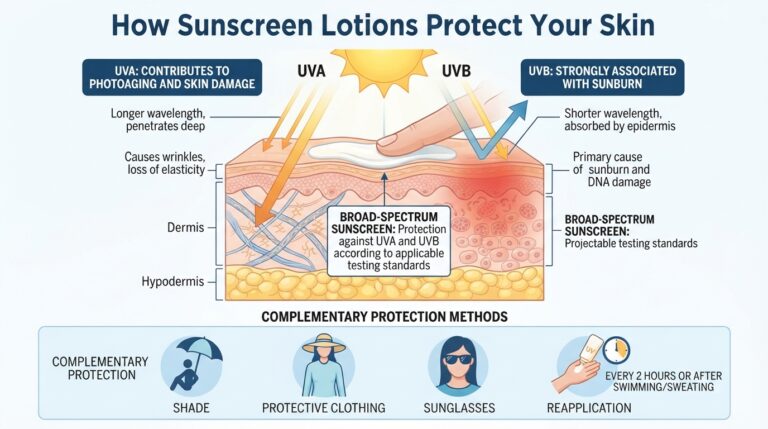
To evaluate whether coconut oil can serve as a sunscreen, we first need to understand how sunscreens work. Sunscreens protect the skin from the harmful effects of ultraviolet (UV) radiation, which can lead to sunburn, premature aging, and an increased risk of skin cancer. There are two primary types of UV rays:
- UVA rays: These penetrate the skin more deeply and are primarily responsible for aging and wrinkling.
- UVB rays: These are responsible for sunburn and contribute to skin cancer.
Sunscreens typically contain active ingredients that either absorb or reflect UV rays. They are rated by their Sun Protection Factor (SPF), which indicates the level of protection against UVB rays.
The Composition of Coconut Oil
Coconut oil is derived from the flesh of coconuts and is widely known for its moisturizing properties and numerous health benefits. It primarily consists of saturated fats, including lauric acid, which has antimicrobial properties. Here’s a brief overview of its chemical composition:
| Component | Percentage |
|---|---|
| Saturated Fat | 90% |
| Monounsaturated Fat | 6% |
| Polyunsaturated Fat | 2% |
Coconut Oil’s Natural SPF Properties
One of the reasons people question if coconut oil is a good sunscreen is its reported natural SPF. Studies suggest that coconut oil may have an SPF ranging from 4 to 10. This means it can provide minimal protection against UVB rays. While this may seem beneficial, it’s crucial to understand what that level of SPF means in practical terms:
- An SPF of 4 allows about 75% of UVB rays to penetrate the skin.
- An SPF of 10 allows about 90% of UVB rays to penetrate the skin.
With this knowledge, it becomes clear that while coconut oil offers some level of protection, it is not sufficient for prolonged sun exposure.
Benefits of Using Coconut Oil
Coconut oil is celebrated for several properties that can be beneficial to the skin. Here are some of the key advantages:
- Moisturization: Coconut oil is an excellent moisturizer, helping to keep the skin hydrated.
- Antimicrobial Properties: The lauric acid in coconut oil has antimicrobial effects, which can help in preventing skin infections.
- Soothing Effect: Coconut oil can soothe the skin after sun exposure, reducing redness and irritation.
- Natural and Chemical-Free: For those looking to avoid synthetic chemicals, coconut oil is a natural alternative.
Limitations of Coconut Oil as Sunscreen
Despite its benefits, there are notable limitations to using coconut oil as a sunscreen:
- Low SPF: As mentioned, coconut oil only offers minimal sun protection. It is not a substitute for higher SPF sunscreen products.
- Does Not Block UVA Rays: Coconut oil is not effective against UVA rays, which are harmful and penetrate deeper into the skin.
- Potential for Breakouts: For some people, coconut oil can clog pores, leading to breakouts, especially in acne-prone skin.
Who Should Consider Coconut Oil?
While coconut oil may not be a suitable primary sunscreen for everyone, it can be beneficial in specific situations or for certain individuals:
- For Short Sun Exposure: If you are going out for a short duration and will be in the shade, coconut oil may offer some light protection.
- For Use on the Body: It may be more appropriate for body application rather than the face, especially for those with dry skin.
- Post-Sun Care: It can be an excellent option for soothing the skin after sun exposure, helping to lock in moisture.
How to Use Coconut Oil Safely
If you choose to use coconut oil as part of your sun protection strategy, consider the following tips to maximize its effectiveness:
- Combine with Other Products: Use coconut oil in conjunction with a higher SPF sunscreen for added protection.
- Reapply Frequently: If you’re outdoors, especially in direct sunlight, reapply every two hours or after swimming or sweating.
- Test for Allergies: Conduct a patch test to determine if your skin reacts adversely to coconut oil.
The Science Behind Natural Sunscreens
The rise in popularity of natural sunscreens has prompted a surge of scientific research into their effectiveness. Many natural sunscreens contain mineral-based ingredients like zinc oxide and titanium dioxide, which physically block UV rays. These are often considered safer alternatives to chemical sunscreens, which can sometimes cause skin irritation or allergies.
However, it’s essential to remember that not all natural products offer adequate protection. The effectiveness of natural ingredients varies significantly, and the concentration of active ingredients plays a crucial role. While coconut oil has its benefits, it cannot compete with dedicated sunscreen products designed to protect against both UVA and UVB rays.
Conclusion: Is Coconut Oil a Good Sunscreen?
In conclusion, while coconut oil does provide some level of sun protection, it falls short of being an effective standalone sunscreen. Its low SPF and inability to block UVA rays make it unsuitable for prolonged sun exposure. However, it can still play a role in your skincare routine, particularly as a moisturizer or a soothing agent after sun exposure.
For those serious about sun protection, it’s advisable to use a broad-spectrum sunscreen with a higher SPF and incorporate coconut oil for additional benefits. Always prioritize skin safety by understanding the products you use and how they interact with your skin in different environments.