
Pregnancy is a beautiful journey that often brings with it countless questions about health and well-being. One common concern among expectant mothers is, “Can I use sunscreen while pregnant?” It’s essential to protect your skin from harmful UV rays, but you also want to ensure that any products you use are safe for you and your developing baby. In this guide, we’ll explore the ins and outs of sunscreen use during pregnancy, including the best types of sunscreen, ingredients to avoid, and tips for safe sun exposure.
Understanding the Importance of Sunscreen
Before diving into specifics about sunscreen use during pregnancy, let’s highlight why sunscreen is crucial for everyone, especially pregnant women.
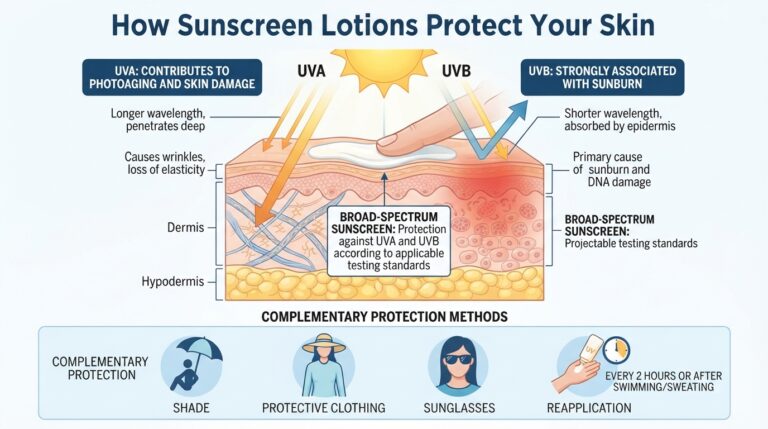
- Protection Against UV Rays: Ultraviolet (UV) rays can cause skin damage, increase the risk of skin cancer, and lead to premature aging.
- Preventing Hyperpigmentation: Pregnancy can lead to hormonal changes that may cause conditions like melasma, or the “mask of pregnancy,” where dark patches appear on the skin. Sunscreen helps mitigate these effects.
- Skin Health: Keeping your skin protected helps maintain its overall health, which can be particularly important as it undergoes various changes during pregnancy.
Is Sunscreen Safe During Pregnancy?
The short answer is yes, you can use sunscreen while pregnant. However, not all sunscreens are created equal. It’s crucial to choose the right type of sunscreen to ensure both your safety and that of your baby.
Types of Sunscreen
There are two primary types of sunscreen: chemical and physical (or mineral) sunscreens.
Chemical Sunscreens
Chemical sunscreens absorb UV radiation through their chemical ingredients. Common active ingredients include:
- Oxybenzone
- Avobenzone
- Octisalate
- Octocrylene
- Homosalate
While many chemical sunscreens are effective, some ingredients, like oxybenzone, have raised concerns regarding hormonal disruption. Therefore, it’s advisable to consult your healthcare provider before using chemical sunscreens during pregnancy.
Physical (Mineral) Sunscreens
Physical sunscreens contain active mineral ingredients like zinc oxide and titanium dioxide. They work by sitting on top of the skin and reflecting UV rays. Here are some benefits of physical sunscreens:
- Less Likely to Irritate: They are often better tolerated by sensitive skin, making them an excellent option for pregnant women.
- Immediate Protection: Physical sunscreens provide instant protection after application, unlike chemical sunscreens that require time to absorb.
- Safe Ingredients: Zinc oxide and titanium dioxide are generally considered safe during pregnancy.
Ingredients to Avoid in Sunscreens While Pregnant
When shopping for sunscreen, it’s essential to read labels carefully. Here are some ingredients you may want to avoid:
- Oxybenzone: As mentioned earlier, this chemical is linked to hormonal disruptions.
- Retinyl Palmitate: This vitamin A derivative may pose risks to fetal development.
- Formaldehyde and Parabens: These preservatives can cause skin irritation and have been associated with health risks.
How to Choose the Right Sunscreen
Now that you know what to look for and what to avoid, here’s a practical guide to selecting the right sunscreen while pregnant:
- Opt for Broad-Spectrum Protection: Choose a sunscreen that protects against both UVA and UVB rays.
- Look for SPF 30 or Higher: Higher SPF provides better protection, especially if you plan to be outdoors for extended periods.
- Choose Physical Sunscreens: Prioritize mineral-based options with zinc oxide or titanium dioxide.
- Check for Dermatologist Recommendations: Look for products recommended by dermatologists or those labeled as safe for pregnancy.
- Test for Allergies: Always perform a patch test to check for any adverse reactions, especially if you have sensitive skin.
Application Tips for Pregnant Women
Applying sunscreen correctly is just as important as choosing the right product. Here are some tips to ensure you’re applying it effectively:
- Apply Generously: Use about one ounce (a full shot glass) to cover your entire body.
- Reapply Regularly: Reapply every two hours, or more often if swimming or sweating.
- Don’t Forget Hard-to-Reach Areas: Make sure to cover all exposed skin, including your ears, neck, and feet.
- Use in Combination with Other Sun Protection: Wear hats, sunglasses, and protective clothing, and seek shade when possible.
Additional Sun Safety Tips During Pregnancy
In addition to using sunscreen, here are some extra tips to keep you and your baby safe from the sun:
- Avoid Peak Sun Hours: Try to stay indoors during the sun’s peak hours, typically between 10 AM and 4 PM.
- Stay Hydrated: Drink plenty of water to maintain hydration levels, especially if you’re outside.
- Wear Protective Clothing: Consider clothing with UPF (Ultraviolet Protection Factor) for additional protection.
- Monitor Skin Changes: Keep an eye on your skin for any unusual changes or reactions and consult your doctor if needed.
Conclusion
In conclusion, the question “Can I use sunscreen while pregnant?” can be answered with a confident yes. Protecting your skin from harmful UV rays is essential, and with the right precautions, you can safely enjoy the sun during this special time in your life. Remember to choose a sunscreen that is free from harmful chemicals, apply it generously, and take additional sun safety measures to keep both you and your baby safe. Always consult your healthcare provider for personalized advice, and enjoy your pregnancy with peace of mind knowing your skin is protected.