

When it comes to skincare, one question often arises: does sunscreen go on before or after makeup? Understanding the correct order of application is crucial for ensuring effective sun protection while achieving a flawless makeup look. This comprehensive guide will delve into the intricacies of sunscreen application, makeup techniques, and the importance of sun protection in your daily routine.
Understanding Sunscreen and Its Importance
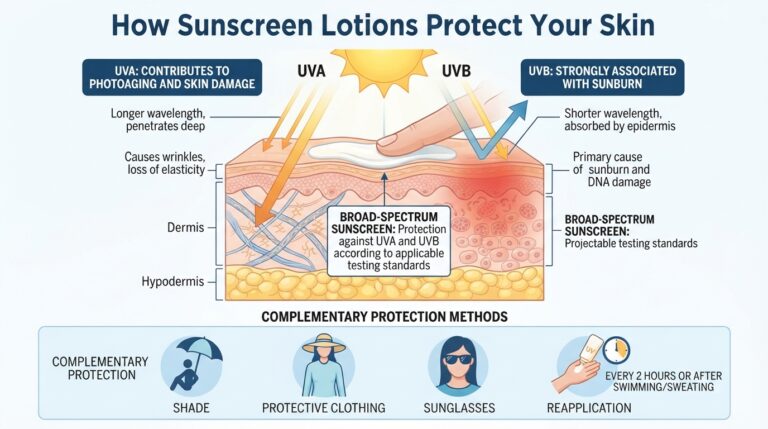
Sunscreen is a vital component of any skincare regimen. It protects the skin from harmful ultraviolet (UV) rays that can cause premature aging, sunburn, and even skin cancer. In fact, according to the American Academy of Dermatology, regular use of sunscreen can reduce the risk of skin cancer significantly.
Types of Sunscreen
Before diving into application techniques, it’s essential to understand the types of sunscreen available:
- Chemical Sunscreens: These absorb UV radiation and convert it into heat, which the skin then releases. Common ingredients include avobenzone and octisalate.
- Physical (Mineral) Sunscreens: These contain active mineral ingredients, such as zinc oxide or titanium dioxide, that sit on top of the skin and reflect UV rays. They are often recommended for sensitive skin.
Choosing the right type of sunscreen is crucial for your skin type and lifestyle. It’s essential to select a broad-spectrum product with at least SPF 30 for effective protection.
The Order of Application: Sunscreen First or Makeup?
Now, let’s address the primary question: does sunscreen go on before or after makeup? The answer is simple: sunscreen should always be applied before makeup. Here’s why:
1. Effective UV Protection
To achieve maximum protection from UV rays, sunscreen needs to be applied directly onto clean skin. If applied over makeup, it can be less effective, as the makeup can act as a barrier, preventing the sunscreen from properly adhering to the skin.
2. Even Application
Applying sunscreen first allows for a more even distribution across the skin, ensuring that all areas receive adequate protection. This is particularly important for commonly overlooked areas like the ears, neck, and scalp.
3. Makeup Longevity
When sunscreen is applied as a base layer, it can help makeup adhere better and last longer throughout the day. Many makeup products contain ingredients that can diminish the effectiveness of sunscreen if applied afterward.
How to Properly Apply Sunscreen Before Makeup
To ensure that your sunscreen is effective, follow these steps:
- Start with Clean Skin: Begin with a freshly washed face. Use a gentle cleanser suitable for your skin type.
- Apply Sunscreen Generously: Use about a nickel-sized amount for your face. Don’t forget areas like your ears, neck, and the back of your hands.
- Allow It to Absorb: Wait for at least 15 minutes to let the sunscreen absorb into the skin before applying makeup. This will enhance its effectiveness.
- Choose the Right Formulation: Consider using a sunscreen that doubles as a primer, which can provide a smooth base for makeup.
Makeup Products That Work Well with Sunscreen
When layering makeup over sunscreen, it’s important to choose products that complement rather than compromise your sun protection. Here are some ideal makeup products to consider:
- Mineral Foundations: These often contain SPF and blend well over sunscreen without causing pilling.
- Setting Sprays with SPF: These can provide an additional layer of sun protection and help set your makeup.
- Tinted Moisturizers: Many tinted moisturizers contain SPF, offering both coverage and sun protection.
Best Practices for Touching Up Sunscreen Throughout the Day
Even with the best application techniques, sunscreen can wear off throughout the day, especially if you’re sweating or in direct sunlight. Here are some practical ways to touch up your sunscreen without disturbing your makeup:
1. Powder Sunscreens
Powder sunscreens are a convenient option for reapplication. They come in various formulations and can be applied directly over makeup without disturbing your look.
2. SPF Setting Sprays
Setting sprays with SPF are another excellent option for refreshing your sunscreen throughout the day. Simply spritz your face to reapply without any fuss.
3. Sunscreen Wipes
If you need to remove and reapply sunscreen, consider using sunscreen wipes. These can effectively cleanse and reapply protection without the need for a full makeup removal.
Common Misconceptions About Sunscreen and Makeup
Many myths surround the application of sunscreen, especially regarding its compatibility with makeup. Here are some common misconceptions:
Myth 1: Makeup with SPF is Enough
While makeup products with SPF provide some level of protection, they often don’t offer adequate coverage. Always apply a dedicated sunscreen underneath.
Myth 2: Sunscreen is Only Needed on Sunny Days
UV rays can penetrate clouds and windows, meaning you should wear sunscreen daily, regardless of the weather.
Myth 3: You Don’t Need Sunscreen Indoors
Blue light emitted from screens can also contribute to skin damage. It’s wise to wear sunscreen, even when you’re indoors.
Conclusion: Prioritizing Sunscreen in Your Daily Routine
In conclusion, understanding that sunscreen goes on before makeup is crucial for effective sun protection and healthy skin. By following the proper application techniques and selecting complementary makeup products, you can achieve a flawless look while safeguarding your skin from the sun’s harmful rays.
Make sunscreen an essential part of your daily routine, and remember to reapply throughout the day to maintain protection. Your skin will thank you for it in the long run, ensuring it stays youthful and radiant for years to come.
FAQs About Sunscreen and Makeup
1. Can I mix sunscreen with foundation?
While you can mix sunscreen with foundation, it’s generally more effective to apply them separately to ensure the sunscreen is applied evenly and properly.
2. How often should I reapply sunscreen?
You should reapply sunscreen every two hours, or more frequently if you’re sweating or swimming.
3. Is it necessary to wear sunscreen in winter?
Yes, UV rays can still damage your skin in winter. Always apply sunscreen, even on cloudy or cold days.