
As the sun shines brighter and days grow longer, many expectant mothers wonder, “Is sunscreen safe for pregnancy?” This question is critical for protecting both the mother and the developing baby from harmful UV rays while ensuring that the products used are safe and effective.
The Importance of Sunscreen During Pregnancy
During pregnancy, a woman’s skin undergoes various changes, making it more sensitive and vulnerable to sun exposure. The hormonal fluctuations can lead to conditions like melasma or “the mask of pregnancy,” characterized by dark patches on the face. This makes using sunscreen not just a matter of skincare but an essential step in protecting the skin.
What Happens to Your Skin During Pregnancy?
Pregnancy can lead to several skin changes, including:
- Increased Sensitivity: Elevated hormone levels can cause skin to react more strongly to sunlight.
- Hyperpigmentation: Areas of the skin may darken due to increased melanin production.
- Stretch Marks: As the body expands, the skin stretches, sometimes leading to unsightly marks.
Choosing the Right Sunscreen
When considering whether sunscreen is safe for pregnancy, it’s crucial to choose the right type. Not all sunscreens are created equal, and some ingredients may not be safe for pregnant women.
Types of Sunscreens
Sunscreens can be categorized into two main types:
- Chemical Sunscreens: These contain organic compounds that absorb UV radiation. Common ingredients include avobenzone, octisalate, and oxybenzone.
- Physical (Mineral) Sunscreens: These use natural minerals like zinc oxide and titanium dioxide to block UV rays. They are often recommended for sensitive skin.
Are Chemical Sunscreens Safe?
Many chemical sunscreens contain ingredients that have raised concerns among healthcare professionals. Oxybenzone, for instance, is a common ingredient that some studies suggest may disrupt hormonal balance. However, the FDA states that more research is needed to fully understand the long-term effects of these chemicals during pregnancy.
Are Physical Sunscreens a Better Option?
Physical sunscreens are generally considered safer for pregnant women. They sit on top of the skin and provide a physical barrier against UV rays without being absorbed into the bloodstream. Here are a few benefits of using physical sunscreens:
- Less Likely to Cause Skin Reactions: Ideal for sensitive skin, they are often less irritating.
- Immediate Protection: They provide instant sun protection upon application.
- Environmentally Friendly: Many mineral sunscreens are formulated without harmful chemicals that can impact marine life.
Recommended Ingredients to Look For
When selecting a sunscreen, consider the following ingredients known for their safety and effectiveness during pregnancy:
- Zinc Oxide: A broad-spectrum blocker that is safe for sensitive skin.
- Titanium Dioxide: Another effective mineral that provides UV protection.
- Natural Oils: Look for sunscreens containing natural oils like coconut or jojoba, which can provide additional skin benefits.
How to Apply Sunscreen Effectively
Applying sunscreen correctly is just as important as choosing the right product. Follow these guidelines for optimal sun protection:
- Apply Generously: Use about an ounce (a shot glass full) to cover your entire body.
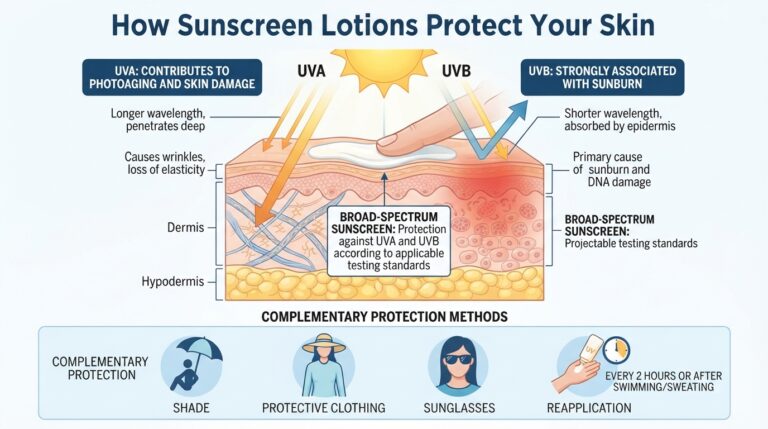
- Reapply Frequently: Reapply every two hours or immediately after swimming or sweating.
- Apply 30 Minutes Before Sun Exposure: This allows the product to adhere to the skin.
- Don’t Forget Other Areas: Pay attention to often-missed spots like ears, back of the neck, and feet.
What About Tanning Beds and Sun Exposure?
Both tanning beds and excessive sun exposure pose risks during pregnancy. Here’s why you should avoid them:
- Tanning Beds: They can expose you to harmful UV radiation and increase the risk of skin cancer.
- Excessive Sun Exposure: It can lead to dehydration and heat exhaustion, which can be risky for both mother and baby.
Other Tips for Sun Safety During Pregnancy
While sunscreen is a vital part of sun safety, there are additional precautions you can take:
- Seek Shade: Whenever possible, stay in the shade, especially during peak sun hours (10 AM – 4 PM).
- Wear Protective Clothing: Lightweight, long-sleeved shirts, wide-brimmed hats, and UV-blocking sunglasses can provide extra protection.
- Stay Hydrated: Drink plenty of water to prevent dehydration from heat exposure.
Consultation with Healthcare Providers
Before making any changes to your skincare routine, including sunscreen use, it’s always best to consult with your healthcare provider. They can offer personalized advice based on your health history and specific needs during pregnancy.
Conclusion
In summary, the question, “Is sunscreen safe for pregnancy?” leans towards a positive answer when you choose the right type. Physical sunscreens with zinc oxide and titanium dioxide are generally regarded as safe and effective options. Protecting your skin from harmful UV rays during pregnancy is essential, not just for your health but also for your baby’s well-being. Always remember to apply sunscreen generously, reapply often, and take additional precautions to stay safe in the sun. By being mindful of your choices, you can enjoy the sunshine while ensuring both you and your baby remain protected.