
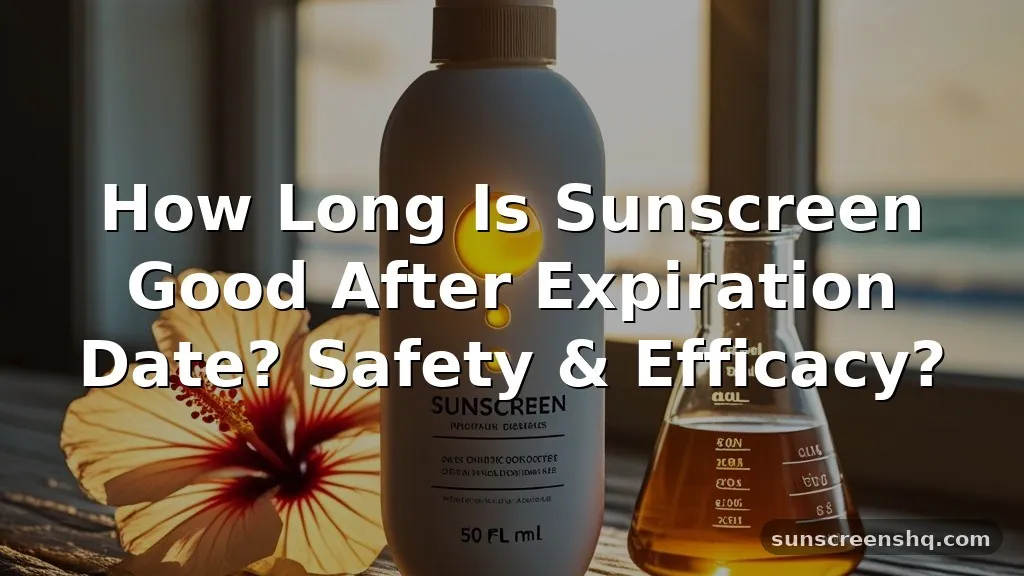
Finding an old tube at the bottom of a beach bag often makes you wonder how long is sunscreen good after expiration date before it loses its protective qualities. Using a compromised lotion leaves your skin vulnerable to burns and long-term damage, which defeats the entire purpose of applying it. The simple answer is that manufacturers design these formulations to remain stable until the printed month and year.
When you spot a bottle that crossed its deadline months ago, you might be tempted to squeeze out the remaining product to save a few dollars. Dermatologists generally advise against this practice because active ingredients degrade over time, dropping below the designated sun protection factor. Let’s break down the science of chemical stability, storage conditions, and why tossing old bottles is usually the safest bet.
Understanding Sunscreen Chemistry and Shelf Life
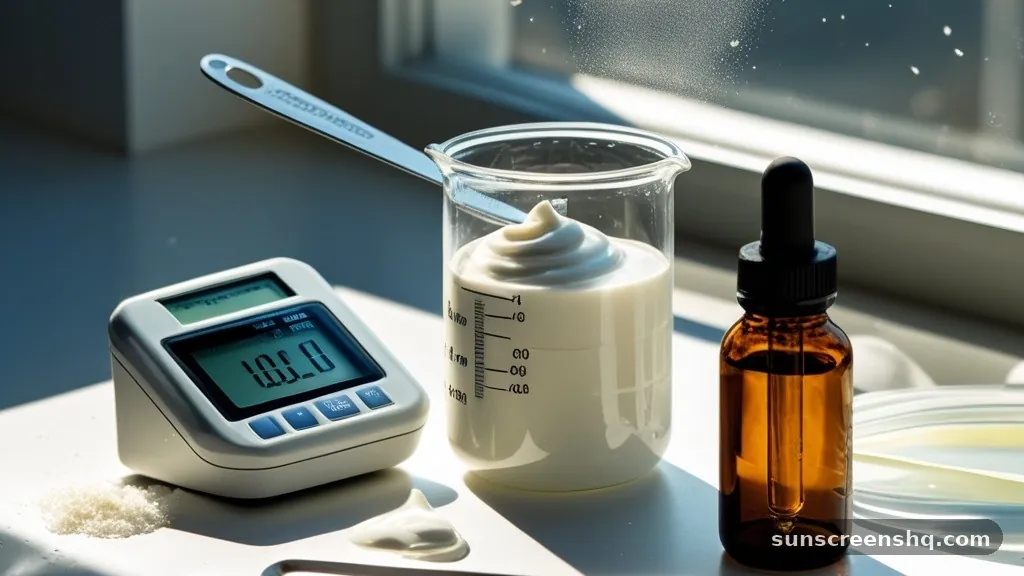
Chemical and physical filters break down gradually, meaning that sunscreen expired for more than a few months will no longer shield you from harmful ultraviolet radiation. Manufacturers print an expiration date based on strict laboratory testing mandated by regulatory bodies.
Under standard conditions, a typical container retains its original potency for roughly three years from the date of manufacture. If a bottle lacks a specific expiration stamp, federal regulations require the product to remain stable for that same three-year window.
Active ingredients like avobenzone, octisalate, and oxybenzone undergo chemical changes when exposed to extreme heat and humidity. Once these filters degrade, they fail to absorb or reflect UV rays effectively, leaving your skin exposed to sunburn and cellular damage. A board-certified dermatologist will always recommend checking the stamp before slathering any lotion onto your face or body.
- Unopened bottles kept in cool, dark environments often retain their integrity slightly past the printed deadline.
- Opened containers experience faster degradation due to air exposure and bacterial introduction.
- Mineral formulations containing zinc oxide or titanium dioxide tend to be physically stable, but the carrier lotions still spoil.
The Risks of Using Expired Sun Protection
Slathering degraded lotion on your body creates a false sense of security while failing to block harmful solar radiation. When you rely on an outdated product, you increase your risk of painful sunburns, premature aging, and long-term dermatological issues. The active chemicals transform over time, which can trigger allergic contact dermatitis or severe skin irritation.
Scientific studies show that degraded compounds break down into weaker molecular structures that cannot absorb energy from the sun. This means you might sit outside for hours thinking you are protected, only to develop a deep crimson burn by evening. Maintaining proper sun safety requires fresh formulas that deliver the exact spf level printed on the front label.
How to Find Expiration Information on Your Bottles
Locating the stamped deadline is usually straightforward once you know where manufacturers typically place batch codes and use-by dates. Look along the crimped top edge of plastic tubes, near the bottom rim of spray cans, or directly on the outer carton. Many brands print the month year format clearly, making it easy to determine whether the formula is still viable.
| Container Type | Common Location of Date | Typical Longevity After Opening |
|---|---|---|
| Plastic Squeeze Tube | Top crimped seam or shoulder | 12 Months |
| Aerosol Spray Can | Bottom base rim or cap | 12 to 24 Months |
| Pump Dispenser Bottle | Base label or side panel | 12 Months |
If you cannot find expiration details, check for a small symbol shaped like an open cream jar with a number and the letter M inside, such as 12M. This period-after-opening symbol indicates how many months the formula remains safe and potent after you break the initial seal. Writing the opening date directly on the plastic with a permanent marker helps you track its usable lifespan accurately.
Signs That Your Lotion Has Spoiled Early
Heat exposure in cars or beach bags can cause a formula to spoil well before its official calendar deadline arrives. When a bottle sunscreen separates into watery liquid and thick chunks, the emulsion has broken down beyond repair. You should discard the container immediately if you notice any of the following physical changes:
A strange, sour, or rancid odor signals that the oils inside the lotion have oxidized. Discoloration, such as a yellowing tint or a brownish hue, also points to chemical breakdown of the active filters. Grainy textures that refuse to smooth out during application indicate that the ingredients have crystallized and clumped together inside the carrier base.
Storage Habits That Protect Your Investment
Proper storage extends the functional life of your protective lotions by preventing premature breakdown caused by environmental stressors. Keeping your tubes out of direct sunlight and away from hot environments preserves the molecular integrity of the active filters. Leaving a tube on the dashboard of a hot car bakes the formula, destroying its efficacy in a matter of days.
Wrap containers in a towel when you sit on the sand, or keep them inside a shaded beach bag to maintain a stable temperature. Cool, dry storage spaces like a linen closet or a climate-controlled bathroom cabinet provide the ideal environment for keeping your lotions fresh throughout the summer season.
Addressing Common Misconceptions About Outdated Formulas
Many consumers believe that a little bit of expired protection is better than wearing nothing at all under the midday sun. However, using degraded lotions often leaves you completely unprotected, negating any perceived benefit of application. According to guidance from the American Academy of Dermatology, old formulas simply cannot be trusted to prevent UV damage.
Another widespread myth is that mineral filters never expire because they are rocks or minerals grounded into powder. While zinc oxide and titanium dioxide do not technically degrade chemically, the lotion base holding them together definitely spoils. Once that base separates or grows bacteria, the entire formulation becomes unsafe for direct application to human tissue.
Frequently Asked Questions
Can you still use sunscreen if it is expired?
Dermatologists advise against using expired sunscreen because active ingredients degrade over time. This chemical breakdown reduces the SPF protection significantly, leaving your skin vulnerable to burns and UV damage even if the lotion looks normal.
How can I tell if my sunscreen is too old?
Check the container for a printed expiration date or a PAO symbol indicating months after opening. Visual signs like unusual separation, a grainy texture, or a rancid odor also mean the product must be thrown away immediately.
Is it safe to use expired sunscreen on your face?
Facial skin is especially delicate and prone to irritation, making it a bad place to test old formulas. Expired ingredients frequently clog pores, trigger allergic contact dermatitis, or fail to block rays effectively.
What happens if I use sunscreen that is two years old?
A formula that is two years past its expiration date has completely lost its chemical stability. Applying it provides little to no sun protection and greatly increases your risk of painful sunburns.
Conclusion
Knowing how long is sunscreen good after expiration date ensures you never rely on compromised lotions when heading outdoors. Check those expiration stamps, store your bottles away from direct heat, and always replace old tubes to keep your skin safe. Staying vigilant about your sun protection products guarantees reliable defense every single time you step outside.