
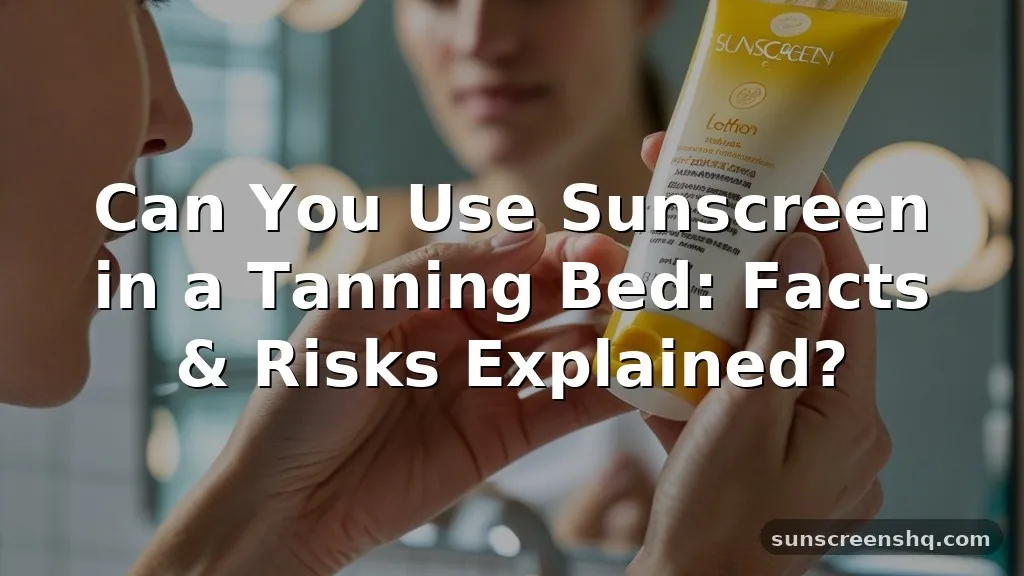
Wondering if you can use sunscreen in a tanning bed is a common question for anyone trying to protect their skin while pursuing a golden glow. The short answer is no, traditional sunscreens do not belong inside indoor tanning units, but understanding the chemistry and regulations behind this rule reveals why indoor tanning products are formulated completely differently from outdoor protection.
The Core Problem with Applying Outdoor Sunscreen Indoors
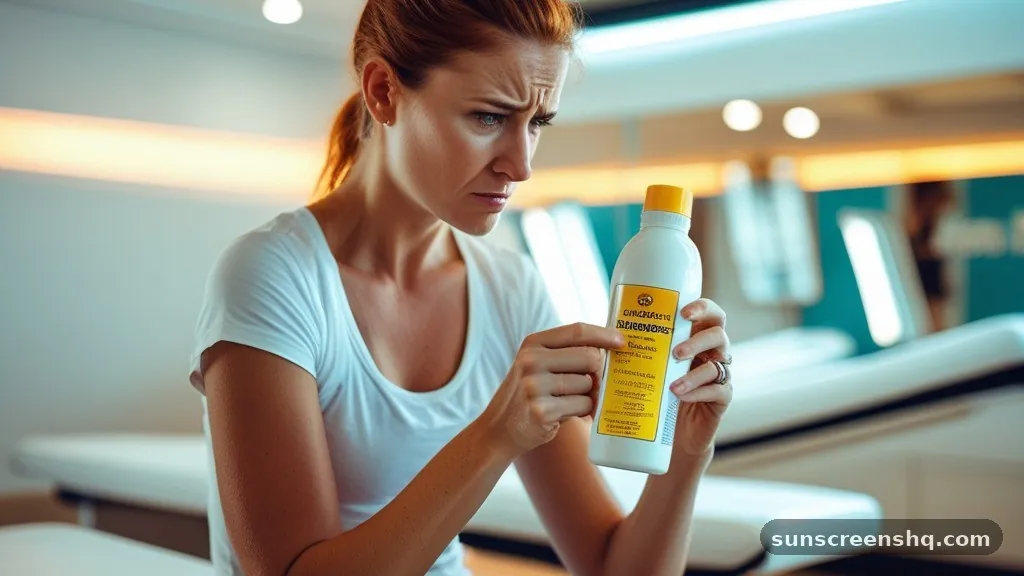
Indoor tanning equipment emits concentrated ultraviolet radiation designed to simulate or intensify natural sunlight. Traditional sunscreens are engineered to combat the natural spectrum of the sun outdoors, which contains both uva uva and uvb rays in specific proportions. When people attempt to apply a standard bottle of SPF lotion inside a salon booth, they often run into unexpected formulation conflicts.
Most commercial sunscreens contain chemical filters, stabilizers, and heavy emollients that react poorly to the intense acrylic heat generated by modern tanning beds. This heat can break down the active ingredients rapidly, rendering the spf rating completely ineffective within minutes of exposure. Furthermore, heavy oils and thick waxes found in typical formulations leave a sticky residue that permanently clouds and stains the clear acrylic shields of the equipment, frustrating salon owners and damaging property.
Manufacturers build indoor tanning lotion to perform under entirely different conditions than outdoor protectants. Instead of blocking light entirely, these specialized lotions use accelerators, bronzers, and skin-conditioning vitamins to maximize moisture retention while the skin receives uv radiation. Trying to substitute a standard beach cream disrupts the tanning process entirely, often leaving uneven patches and patchy color rather than the desired bronze shade.
Ultraviolet Physics: How Indoor Booths Differ from Natural Sunlight
The artificial light sources inside commercial tanning salons deliver a concentrated dose of radiation over a very short time. While natural sunlight shifts throughout the day and varies by geographic latitude and atmospheric conditions, an indoor booth delivers a precise, high-intensity spectrum. This artificial environment changes how your skin reacts to the light and why standard protection methods fail.
Natural sunlight is rich in uvb rays, which trigger sunburn and Vitamin D synthesis, alongside uva rays that penetrate deeper into the dermis. Commercial sunbeds often invert this ratio, emitting a much higher percentage of UVA radiation to quickly darken existing melanin. Because traditional sunscreens are formulated primarily to stop burning caused by UVB rays, they do not adequately shield against the heavy UVA loads delivered by indoor equipment, elevating the long-term risk of severe dermal damage.
Dermatological organizations like the american academy of academy dermatology emphasize that artificial ultraviolet sources carry cumulative hazards. Relying on a false sense of security by smearing on a layer of high-SPF lotion inside a salon often encourages people to stay inside the enclosure longer than they should. This extended session length increases total radiation absorption, driving up the statistical probability of developing malignant cell carcinoma or other forms of skin pathology later in life.
Comparing Outdoor Sunscreens and Indoor Tanning Lotions
To understand why mixing these product categories fails, it helps to examine their specific chemical profiles side by side. The following comparison highlights the fundamental design differences between standard outdoor protection and specialized indoor accelerators.
| Feature | Outdoor Sunscreen | Indoor Tanning Lotion |
|---|---|---|
| Primary Purpose | Block or reflect UV rays | Hydrate skin and maximize color |
| Acrylic Safety | Can damage and stain acrylics | Formulated to wipe clean easily |
| Heat Stability | Breaks down under intense heat | Engineered for high-heat environments |
| Active Ingredients | Zinc oxide, avobenzone, oxybenzone | Tirosine, hemp seed oil, bronzers |
Dispelling the Base Tan Myth
A widespread misconception is that applying a low-SPF lotion helps build a base tan safely without triggering a sunburn. In reality, medical experts point out that a so-called base tan provides a natural SPF equivalent of only about 3 or 4, which offers virtually zero meaningful defense against harmful ultraviolet wavelengths. Seeking a base tan through artificial means remains a recognized health hazard.
When individuals attempt to slow down the tanning process by wearing sunscreen inside a booth, they usually achieve disappointing results. The active chemical filters block the very spectrum needed to stimulate melanin production, resulting in wasted money and uneven pigmentation. Instead of getting a smooth, dark color, users often end up with blotchy areas where the cream was applied too thickly.
Achieving a healthy appearance safely does not require stepping inside a commercial UV booth. Many beauty enthusiasts now rely on sunless tanning mousses, airbrush sprays, and gradual self-tanning moisturizers to achieve a deep bronze look without subjecting their dermis to harmful ionizing rays. These cosmetic alternatives deliver rich color instantly while keeping your skin completely safe from cellular mutation.
Skin Protection and Long-Term Health Risks
Exposing unprotected skin to concentrated artificial UV sources accelerates premature aging, collagen breakdown, and the formation of deep wrinkles and dark spots. Over time, the repeated destruction of cellular DNA accumulates, turning minor cosmetic concerns into serious medical conditions. Maintaining healthy skin requires minimizing unnecessary artificial exposure wherever possible.
While many salon-goers believe that keeping sessions short prevents any lasting harm, dermatologists stress that there is no such thing as a safe UV tanning session. Every visit adds to your lifetime radiation tally, increasing the likelihood of chronic dermatological issues. If you do choose to use indoor tanning equipment, understanding your specific type of skin is crucial for preventing acute injuries like severe burns.
To learn more about professional guidelines and skin health safety standards, you can review resources provided by the American Academy of Dermatology indoor tanning overview. Educating yourself on the physiological impacts of ultraviolet exposure helps you make informed choices regarding your personal beauty routine.
- Artificial UV light emits high-intensity UVA rays that penetrate deep into the dermal layers.
- Traditional outdoor sunscreens can ruin expensive acrylic tanning bed surfaces.
- Indoor accelerators focus on skin hydration rather than blocking light.
- No form of indoor tanning is entirely free from long-term health risks.
Alternative Solutions for Facial and Sensitive Skin Protection
Facial skin is thinner and more delicate than the skin on your body, making it particularly vulnerable to the harsh lights found in tanning enclosures. Many people wonder if they can dab a gentle facial cream or lip balm with SPF onto their nose or forehead before stepping into a booth. Unfortunately, the same rules apply to your face as the rest of your body, as chemical blockers will simply melt and clog your pores under intense heat.
If you are worried about burning your face or sensitive areas during a tanning session, the best approach is to minimize facial exposure time rather than relying on standard lotions. Salon operators often provide small disposable face shields or recommend turning off facial lamps entirely if your skin is prone to redness. Protecting your eyes with certified UV-blocking goggles is also an absolute necessity, regardless of whether you use any lotions.
Investing in specialized facial products formulated specifically for indoor use can help maintain moisture without interfering with the equipment. These specialized formulas contain soothing botanical extracts like aloe vera and green tea, which calm the skin and prevent excessive dryness. Always check product labels carefully to ensure compatibility with salon acrylics before application.
Frequently Asked Questions
Can I put regular sunscreen on my face in a tanning bed?
No, you should not use regular facial sunscreen in a tanning bed. The intense heat inside the unit breaks down the active SPF filters quickly, and the heavy oils can stain the acrylic glass while clogging your pores.
What can I use instead of sunscreen in a tanning booth?
You should use a lotion formulated specifically for indoor tanning. These products contain accelerators, bronzers, and moisturizers designed to withstand high heat without damaging the equipment or blocking your tanning progress.
Does a base tan protect against skin cancer?
No, a base tan provides minimal natural protection—roughly equal to an SPF of 3—and does not prevent skin cancer. Dermatologists confirm that any tan is a sign of skin damage caused by radiation exposure.
Why do tanning salons ban outdoor sunscreens?
Tanning salons ban outdoor sunscreens because the chemical ingredients and heavy oils permanently stain, scratch, and ruin the expensive acrylic shields of the tanning beds, making them unusable for other clients.
Conclusion
Navigating the rules of indoor tanning requires understanding that outdoor sunscreens and tanning bed lotions serve entirely different purposes. Using traditional SPF inside a salon booth ruins equipment, fails to protect against intense UVA rays, and disrupts the tanning process. Prioritizing skin health means making informed choices about ultraviolet exposure and opting for safe cosmetic alternatives whenever possible.