
When it comes to skincare, many people often wonder, “Can I put moisturizer over sunscreen?” It’s a common question that highlights the importance of both products in our daily routines. Understanding how to layer these products effectively can help you achieve healthy, glowing skin while ensuring proper sun protection.
The Importance of Moisturizer and Sunscreen
Before diving into the details of how to layer moisturizer and sunscreen, let’s first examine why each product is essential for your skin. Moisturizers and sunscreens serve distinct yet complementary purposes.
Why Moisturizer is Essential
Moisturizers are designed to hydrate the skin, preventing dryness and offering a protective barrier against environmental factors. Here are some key benefits of using a moisturizer:
- Hydrates the skin, helping to maintain its elasticity.
- Prevents dryness and flakiness, especially in harsh weather.
- Can contain beneficial ingredients like antioxidants and vitamins.
- Improves the overall texture of your skin.
The Role of Sunscreen
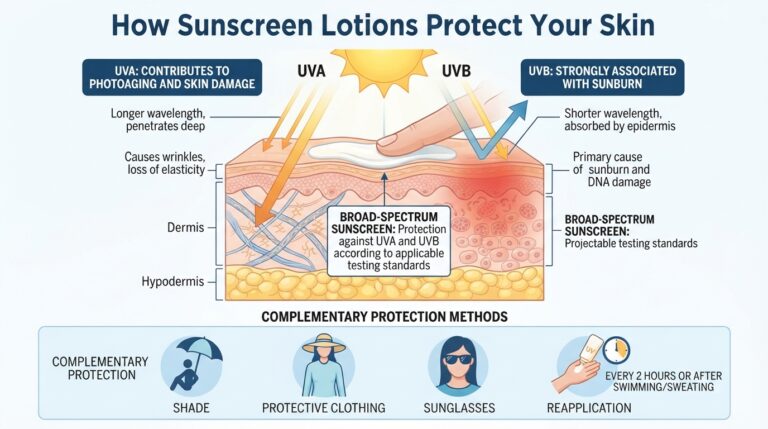
Sunscreen is crucial for protecting your skin from harmful UV rays, which can lead to skin damage, premature aging, and skin cancer. Here are some reasons why sunscreen should be a staple in your skincare routine:
- Protects against UVA and UVB rays, reducing the risk of skin cancer.
- Prevents sunburn and tanning, promoting an even skin tone.
- Helps prevent premature aging, including wrinkles and fine lines.
- Can provide a barrier against environmental pollutants.
Understanding the Layering Technique
The question remains: can you put moisturizer over sunscreen? The answer is generally no; you should apply sunscreen after your moisturizer. Here’s why:
The Correct Order of Application
To maximize the benefits of both products, it’s important to apply them in the right order:
- Cleanse: Start with clean skin to remove dirt and impurities.
- Moisturize: Apply your moisturizer to hydrate and prepare your skin.
- Sunscreen: Finally, apply sunscreen as the last step to seal in moisture and protect against UV rays.
Why You Shouldn’t Layer Moisturizer Over Sunscreen
Applying moisturizer over sunscreen can dilute the sun protection factor (SPF) and can potentially cause the sunscreen to slide off your skin, reducing its effectiveness. Here are some reasons to avoid this method:
- Moisturizers can interfere with the sunscreen’s ability to create a protective barrier.
- Layering products can lead to a greasy feel and unwanted shine.
- It may cause the sunscreen to wear off faster, requiring reapplication sooner.
When to Use Moisturizer and Sunscreen Together
While it’s best to apply moisturizer before sunscreen, there are instances where combining the two can be beneficial. Here are some scenarios:
Moisturizers with SPF
Some moisturizers come with built-in SPF. If you are using one of these products, you may not need to apply a separate sunscreen, provided that:
- The SPF is at least 30.
- You apply a sufficient amount (about a nickel-sized amount for the face).
- You reapply every two hours, especially if you’re outdoors.
Post-Workout or After Swimming
After activities that may cause sweating or water exposure, you might find your sunscreen has worn off. In such cases, applying a moisturizer with SPF can help maintain protection while also rehydrating your skin.
Choosing the Right Products
Not all moisturizers and sunscreens are created equal. Choosing the right products can make a significant difference in your skincare routine. Here are some tips:
How to Choose a Moisturizer
When selecting a moisturizer, consider the following:
- Skin Type: Choose products formulated for your specific skin type (oily, dry, combination).
- Ingredients: Look for ingredients like hyaluronic acid, glycerin, and ceramides for hydration.
- Non-Comedogenic: Opt for non-comedogenic products if you are prone to acne.
How to Choose a Sunscreen
When selecting sunscreen, keep these factors in mind:
- Broad Spectrum Protection: Ensure it protects against both UVA and UVB rays.
- SPF Rating: Choose a minimum SPF of 30 for effective protection.
- Water Resistance: If you plan to swim or sweat, select a water-resistant formula.
Common Myths About Sunscreen and Moisturizer
As a skincare enthusiast, you might come across various myths surrounding the use of sunscreen and moisturizer. Let’s debunk a few:
Myth 1: You Don’t Need Sunscreen on Cloudy Days
Even on cloudy days, up to 80% of UV rays can penetrate through clouds, making sunscreen essential regardless of the weather.
Myth 2: You Don’t Need to Reapply Sunscreen if You’re Indoors
UV rays can still reach you through windows, so it’s crucial to reapply sunscreen every two hours, even if you’re inside.
Myth 3: Moisturizer Alone is Sufficient for Sun Protection
While some moisturizers contain SPF, they usually do not provide adequate protection. Always use a dedicated sunscreen for effective coverage.
Practical Tips for Layering Skincare Products
To ensure that you’re getting the most out of your skincare routine, here are some practical tips:
- Pat Dry: After cleansing, gently pat your skin dry instead of rubbing, which can irritate it.
- Wait Time: Allow your moisturizer to absorb for a few minutes before applying sunscreen to enhance effectiveness.
- Use a Primer: If you want a smoother finish for makeup, consider a makeup primer over your sunscreen.
Conclusion
In summary, understanding how to layer moisturizer and sunscreen is crucial for effective skincare. To answer the question, “Can I put moisturizer over sunscreen?” the best practice is to apply moisturizer first, followed by sunscreen. This order helps ensure that your skin remains hydrated while also receiving the protection it needs against the sun’s harmful rays. Remember to choose products suited to your skin type and to reapply sunscreen regularly for optimal results. By following these guidelines, you’ll maintain healthy, radiant skin while enjoying the great outdoors safely.