
Many people wonder, “Can I tan with sunscreen?” The answer is not straightforward, as it involves understanding how sunscreen works and what tanning really means for our skin. For some, achieving a sun-kissed glow is a seasonal goal, but it is crucial to do so safely while protecting your skin from harmful UV rays. In this comprehensive guide, we will explore the nuances of tanning with sunscreen, helping you make informed decisions about your sun exposure.
Understanding Tanning and Sunscreen
To answer the question of whether you can tan while wearing sunscreen, it’s essential first to grasp how both tanning and sunscreen function. Tanning occurs when the skin produces more melanin, a pigment responsible for color, in response to UV radiation. On the other hand, sunscreen is a protective barrier designed to absorb or reflect these UV rays.
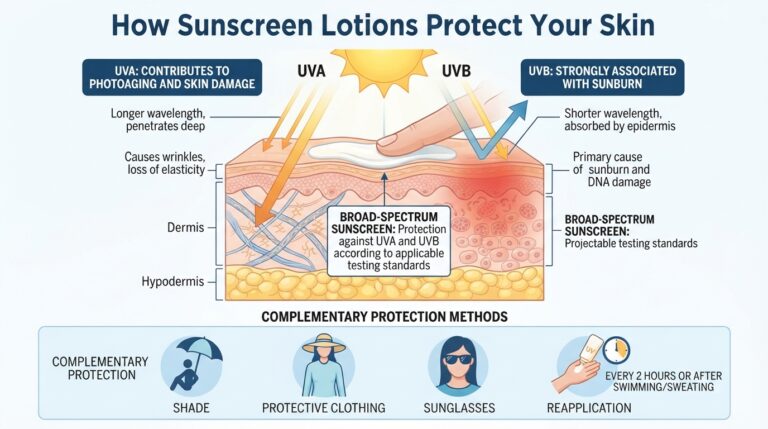
How Sunscreen Works
Sunscreen comes in various forms, including lotions, sprays, and gels, and is formulated to protect the skin from the sun’s damaging effects. Here are the key components:
- SPF (Sun Protection Factor): This indicates the level of protection against UVB rays, which are primarily responsible for sunburn and contribute to skin cancer.
- Broad Spectrum: Sunscreens labeled as “broad spectrum” protect against both UVA and UVB rays. UVA rays penetrate the skin more deeply and are associated with aging and skin cancer.
- Water Resistance: This feature indicates how long the sunscreen remains effective while sweating or swimming.
The Science of Tanning
Tanning is the body’s natural defense mechanism against UV exposure. When your skin is exposed to sunlight, it increases melanin production in an attempt to protect deeper layers of skin from damage. However, excessive tanning can lead to various skin issues, including premature aging and skin cancer.
Can You Tan with Sunscreen? The Key Factors
Now that we understand the basics of tanning and sunscreen, let’s delve into whether you can tan while using sunscreen. The answer is yes, you can still tan while wearing sunscreen, but several factors come into play.
1. The SPF Level
The SPF rating of your sunscreen significantly influences your tanning ability. A higher SPF provides greater protection, meaning you may tan more slowly or not at all. Here’s a breakdown of how SPF affects tanning:
| SPF Level | Protection Level | Estimated Tanning Time |
|---|---|---|
| 30 | 97% UVB protection | Longer than without sunscreen |
| 50 | 98% UVB protection | Even longer than SPF 30 |
| 100 | 99% UVB protection | Minimal tanning |
2. The Type of Sunscreen
Different sunscreens have varying formulations, which can affect how easily you can achieve a tan. For example:
- Mineral Sunscreens: These contain zinc oxide or titanium dioxide and may leave a white cast on the skin. They reflect UV rays and can allow some tanning.
- Chemical Sunscreens: These absorb UV rays and may offer more sheer application, potentially allowing for tanning.
3. Application Method
How you apply sunscreen can also impact its effectiveness. Here are some tips for proper application:
- Apply sunscreen generously to all exposed skin.
- Reapply every two hours, or more frequently if swimming or sweating.
- Don’t forget areas like your ears, back of the neck, and feet.
The Risks of Tanning
While many desire a tan, it’s essential to acknowledge the risks associated with UV exposure. Here are some potential dangers:
- Skin Damage: Prolonged exposure to UV rays can lead to sunburn, skin discoloration, and a higher risk of skin cancer.
- Premature Aging: UV radiation can accelerate the aging process, resulting in wrinkles and loss of skin elasticity.
- Heat Exhaustion: Extended sun exposure can lead to overheating and dehydration.
Safe Tanning Practices
If you decide to tan, it’s crucial to do so safely. Here are some best practices to consider:
1. Choose the Right Time
Limit sun exposure during peak hours, typically from 10 a.m. to 4 p.m., when UV rays are strongest.
2. Use Sunscreen Wisely
Opt for a broad-spectrum sunscreen with an SPF of at least 30. Apply it generously and reapply as needed.
3. Stay Hydrated
Drink plenty of water before, during, and after sun exposure to keep your skin hydrated and healthy.
4. Monitor Your Skin
Regularly check your skin for any changes, such as new moles or spots. If you notice anything unusual, consult a dermatologist.
Alternatives to Tanning
If you’re concerned about the risks of tanning but still want a bronzed look, consider these alternatives:
- Self-Tanners: These products can give your skin a tanned appearance without UV exposure.
- Bronzers: Makeup products that can temporarily enhance your color without sun exposure.
- Tanning Booths: These provide UV exposure but come with their own risks; it’s crucial to research and use them safely.
Conclusion: Tanning Responsibly
In conclusion, the question “Can I tan with sunscreen?” can be answered affirmatively, but with caution. While it is possible to achieve a tan while wearing sunscreen, it’s essential to be aware of the risks associated with UV exposure and to take appropriate precautions. Remember that the health of your skin should always come first. With mindful practices, you can enjoy the sun while minimizing the potential damage. Whether you choose to tan or opt for safer alternatives, make informed decisions that prioritize your skin’s well-being.