
As summer approaches, the question arises: can kids use adult sunscreen? Parents often find themselves in a dilemma when it comes to choosing the right sunscreen for their children. With so many options available, understanding the differences between adult and children’s sunscreen is essential. In this guide, we will delve into the safety, effectiveness, and considerations of using adult sunscreen on kids, ensuring that your little ones are well-protected against harmful UV rays.
Understanding Sunscreen Basics
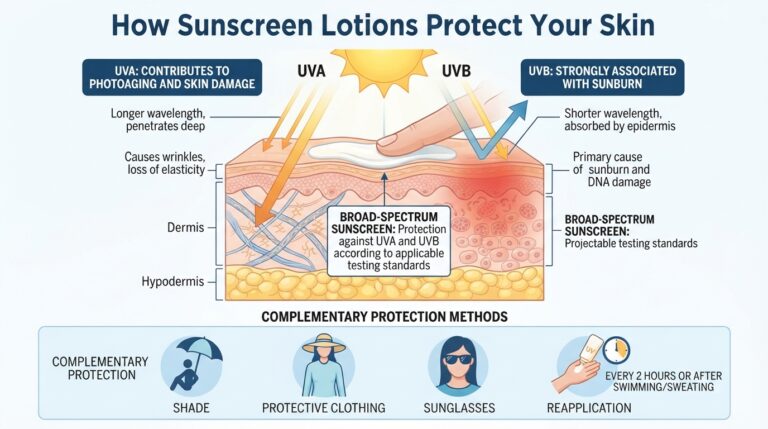
Before we answer the pressing question, it’s important to understand what sunscreen is and how it works. Sunscreen protects the skin from the sun’s ultraviolet (UV) rays, which can lead to skin damage, sunburn, and even skin cancer. There are two main types of UV rays:
- UVA Rays: These rays penetrate the skin deeply and are primarily responsible for premature skin aging and wrinkles.
- UVB Rays: These rays are the main cause of sunburn and play a significant role in developing skin cancer.
Differences Between Adult and Children’s Sunscreen
Adult sunscreen and children’s sunscreen are formulated differently to cater to their respective target audiences. Here are some key differences:
Ingredients
Children’s sunscreen is generally made with gentler ingredients, making it suitable for sensitive skin. Common ingredients in children’s sunscreen include:
- Zinc oxide
- Titanium dioxide
These ingredients provide broad-spectrum protection and are less likely to irritate the skin. In contrast, adult sunscreens may contain chemical filters that can cause irritation, especially on delicate children’s skin.
SPF and Broad-Spectrum Protection
Both adult and children’s sunscreens come in various SPF levels, but it’s crucial to look for broad-spectrum protection, which shields against both UVA and UVB rays. The American Academy of Dermatology recommends using a sunscreen with an SPF of at least 30 for children.
Fragrance and Additives
Children’s sunscreens often have fewer fragrances and additives compared to adult versions, reducing the risk of allergic reactions or skin irritation. Adult sunscreens may have added fragrances that could be overwhelming or irritating for kids.
Can Kids Use Adult Sunscreen? The Answer
The short answer is yes; kids can use adult sunscreen in certain situations. However, there are important considerations to keep in mind:
When Adult Sunscreen is Acceptable
If you find yourself in a situation where you don’t have children’s sunscreen available, using adult sunscreen is better than applying none at all. Here are some tips:
- Choose a broad-spectrum sunscreen with an SPF of at least 30.
- Look for products labeled as hypoallergenic or for sensitive skin.
- Apply a generous amount and reapply every two hours or after swimming or sweating.
When to Avoid Adult Sunscreen
While adult sunscreen can provide protection, there are specific cases where it may not be suitable:
- If the adult sunscreen contains chemical filters (like avobenzone or octisalate), it may irritate sensitive skin.
- If your child has a known allergy to any of the ingredients in the adult sunscreen.
- If your child has a history of skin reactions or sensitivities.
Choosing the Right Sunscreen for Your Child
When selecting sunscreen for your child, consider the following factors:
Age Appropriateness
The American Academy of Pediatrics (AAP) advises that children under six months old should be kept out of direct sunlight and not use sunscreen. For older infants and children, look for:
- Water-resistant formulas
- Products that are free from harsh chemicals
- Sunscreens specifically designed for babies and toddlers
Ease of Application
For children, ease of application is key. Opt for:
- Spray sunscreens (though be cautious to avoid inhalation)
- Stick sunscreens for targeted application (like on the nose and ears)
- Lotions that are easy to spread and absorb quickly
Allergies and Sensitivities
Always check the ingredient list for potential allergens. If your child has sensitive skin, consider patch testing a small amount of sunscreen on their skin before full application.
Application Tips for Effective Sun Protection
Proper application of sunscreen is crucial for effective protection. Here are some tips to ensure your child is well-protected:
- Apply sunscreen generously and evenly to all exposed skin. Don’t forget areas like the ears, nose, and the tops of the feet.
- Apply sunscreen 15-30 minutes before going outside to allow it to absorb.
- Reapply every two hours, or more often if swimming or sweating.
- Use sunscreen even on cloudy days, as UV rays can penetrate through clouds.
Other Sun Safety Practices
Using sunscreen is just one part of sun safety. Here are additional practices to keep your child safe from harmful UV rays:
- Seek shade, especially during peak sun hours (10 a.m. to 4 p.m.).
- Dress children in protective clothing, including wide-brimmed hats and UV-blocking sunglasses.
- Encourage kids to wear rash guards or swim shirts when swimming.
Conclusion
So, can kids use adult sunscreen? Yes, but with caution and consideration. While adult sunscreen can offer protection in a pinch, it’s essential to prioritize children’s skin health by choosing products specifically designed for them whenever possible. Always read labels, check for ingredients, and adopt comprehensive sun protection strategies to keep your little ones safe from harmful UV rays. The right sunscreen can make a significant difference in protecting their delicate skin, allowing them to enjoy outdoor activities safely.