
Traveling often raises questions about what you can and cannot bring on board an airplane. One common query is: can you fly with aerosol sunscreen? As summer approaches and vacations beckon, many travelers grapple with the rules surrounding aerosol products in carry-on luggage. Understanding these regulations is crucial for a hassle-free journey.
Understanding Aerosol Sunscreen
Aerosol sunscreen is a popular choice for its convenience and ease of application. These products provide effective sun protection while being lightweight and portable. However, their flammable nature due to the pressurized container raises safety concerns during air travel. Here’s a breakdown of what you need to know.
What is Aerosol Sunscreen?
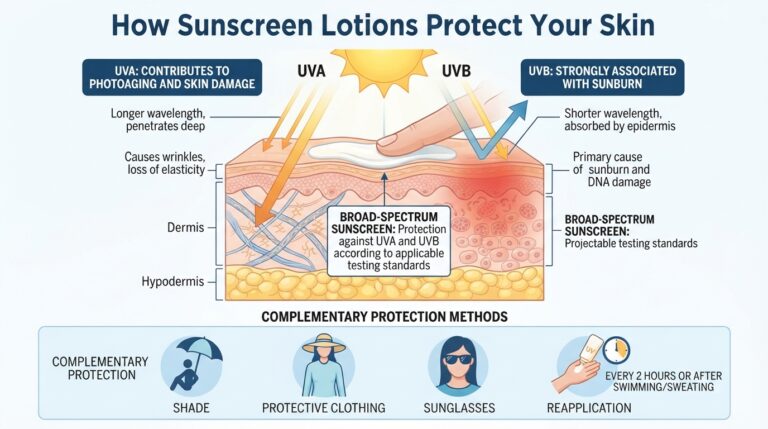
Aerosol sunscreen is a type of sunscreen that comes in a spray canister. It allows users to apply product evenly and quickly, making it an attractive option for beachgoers and outdoor enthusiasts. Typically, these products contain active ingredients like zinc oxide or avobenzone, which protect skin from harmful UV rays.
Airline Regulations on Aerosol Sunscreen
When it comes to air travel, knowing the rules and guidelines set by the Transportation Security Administration (TSA) is essential. The TSA has specific regulations regarding liquids, gels, and aerosols that can affect your packing strategy.
TSA Guidelines for Aerosols
The TSA allows travelers to bring aerosol sunscreen, but there are rules to follow:
- Aerosol sunscreen is considered a liquid, so it must adhere to the 3-1-1 rule for carry-on luggage.
- This rule states that liquids must be in containers of 3.4 ounces (100 milliliters) or less.
- All liquid containers must fit into a single quart-sized clear plastic bag.
- If you have larger containers, they must be packed in your checked luggage.
Exceptions to the Rule
While the above guidelines apply to most travelers, there are exceptions. If you have medical needs or specific requirements, you may be allowed to carry larger quantities. However, you will need to inform TSA officers at the security checkpoint.
Why Size Matters: The 3-1-1 Rule
The 3-1-1 rule is crucial for all travelers, especially those who want to carry aerosol sunscreen. Understanding this rule helps prevent any delays or challenges at airport security. Here’s a closer look:
Breaking Down the 3-1-1 Rule
| Component | Description |
|---|---|
| 3 | Containers must be 3.4 ounces (100 ml) or smaller. |
| 1 | One quart-sized clear plastic bag is allowed per traveler. |
| 1 | One bag per passenger is permitted, and it must be placed in a bin for screening. |
Alternatives to Aerosol Sunscreen
If you find the regulations around aerosol sunscreen cumbersome, consider alternatives. There are various sun protection options that may be easier to travel with:
Non-Aerosol Sunscreens
Many brands offer non-aerosol sunscreen options, such as lotions, creams, and sticks. These products typically do not fall under the same restrictions as aerosol products and can be more convenient for travel. Look for:
- Travel-sized bottles (3.4 ounces or less)
- Solid stick forms
- Reef-safe options for environmentally-conscious travelers
Sun Protection Clothing
Investing in sun-protective clothing can also reduce your reliance on sunscreen. Many brands offer UV-blocking fabrics designed to protect your skin from harmful rays without the need for additional products. Consider:
- Long-sleeve shirts
- Wide-brimmed hats
- UV-blocking swimwear
Tips for Packing Sunscreen for Travel
To ensure that you can enjoy your vacation without sunburn worries, follow these practical packing tips:
Pack Smart
- Choose travel-sized containers for sunscreen.
- Consider decanting your sunscreen into smaller bottles if needed.
- Keep your sunscreen in an easily accessible part of your bag for security checks.
Check Airline Policies
Before packing, check the specific policies of your airline regarding aerosol products. Some airlines may have additional restrictions beyond TSA regulations.
Stay Informed
Air travel regulations can change, so it’s wise to stay informed about the latest guidelines. Official TSA websites and airline customer service are reliable sources for up-to-date information.
Traveling Internationally with Sunscreen
If you’re flying internationally, be aware that other countries may have different regulations regarding aerosol products. Here are some tips to keep in mind:
Research Destination Regulations
Before traveling, look into the rules about bringing aerosol sunscreen into your destination country. Some places may have strict import regulations concerning flammable products.
Consider Local Options
In many tourist destinations, you can find sunscreen available for purchase. This option can save you the hassle of packing and ensure that you have the right products upon arrival.
Conclusion
So, can you fly with aerosol sunscreen? Yes, but with certain restrictions. Understanding the TSA’s regulations and the 3-1-1 rule is crucial for a smooth travel experience. Remember that there are alternatives to aerosol products if you prefer to avoid potential hassles. With the right preparation, you can ensure that you stay protected from the sun while enjoying your travels. Safe travels and happy sunbathing!