
When it comes to skincare, layering products correctly is crucial, especially when considering sun protection. Many people wonder, can you put moisturizer over sunscreen? The answer isn’t straightforward, as it depends on various factors, including the types of products you are using and your skin type. In this guide, we will explore the relationship between sunscreen and moisturizer, how to layer them effectively, and tips for maintaining healthy skin while protecting yourself from harmful UV rays.
The Importance of Sunscreen
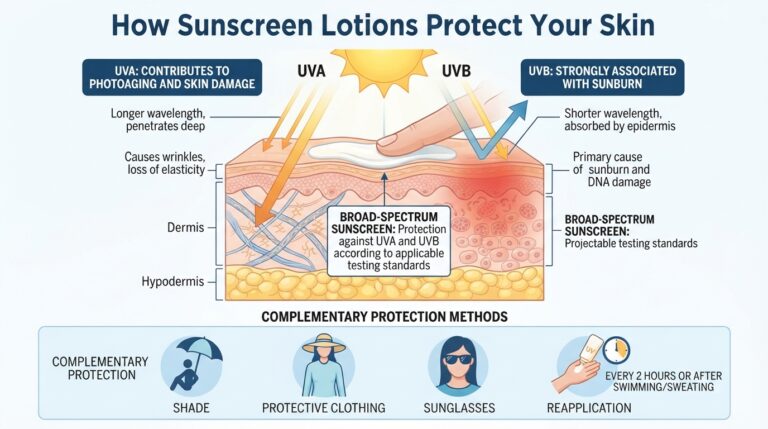
Before diving into product layering, it’s essential to understand why sunscreen is a vital part of any skincare routine. Sunscreen offers protection against the sun’s harmful ultraviolet (UV) rays, which can lead to skin damage, premature aging, and an increased risk of skin cancer. According to the American Academy of Dermatology, wearing sunscreen daily can significantly reduce these risks.
- UVB Rays: These rays are primarily responsible for sunburn and can contribute to skin cancer.
- UVA Rays: These rays penetrate the skin more deeply and are associated with skin aging and wrinkles.
To provide effective protection, sunscreen should be applied generously and reapplied every two hours, or more frequently if swimming or sweating.
Understanding Moisturizers
Moisturizers are crucial for maintaining skin hydration and barrier function. They help prevent dryness, improve skin texture, and can even provide additional benefits depending on their formulation. Many moisturizers contain ingredients like hyaluronic acid, glycerin, and ceramides that help to lock in moisture.
Types of Moisturizers
Moisturizers can be categorized into several types, each catering to different skin needs:
- Creams: Richer and thicker, ideal for dry skin.
- Lotions: Lighter and suitable for normal to slightly dry skin.
- Gels: Water-based, perfect for oily or acne-prone skin.
- Ointments: Greasy and occlusive, best for very dry or compromised skin barriers.
Can You Put Moisturizer Over Sunscreen?
The question of whether you can put moisturizer over sunscreen is a common one. The short answer is: it depends. The effectiveness of this layering can vary based on the formulation of both products.
Layering Order Matters
Generally, the proper order of product application is crucial for achieving the desired results:
- Cleanser
- Toner (optional)
- Serum (if using)
- Moisturizer
- Sunscreen
In this traditional layering method, sunscreen acts as the final barrier protecting your skin from UV rays. However, some people may want to add moisturizer on top, especially if they have dry skin. Here’s how to navigate this:
Best Practices for Layering
If you’re considering putting moisturizer over sunscreen, here are some best practices to follow:
- Choose the Right Products: Ensure that both your moisturizer and sunscreen are compatible. Lightweight, non-comedogenic products are preferable.
- Allow for Absorption: After applying sunscreen, wait a few minutes for it to absorb before adding moisturizer. This helps maintain the effectiveness of the sunscreen.
- Be Gentle: When applying moisturizer over sunscreen, use a light touch to avoid disrupting the sunscreen layer.
Considerations Based on Skin Type
Your skin type plays a significant role in determining whether you should put moisturizer over sunscreen.
Dry Skin
If you have dry skin, layering a moisturizer over sunscreen can be beneficial. The moisturizer can provide additional hydration, helping to combat dryness throughout the day. Look for moisturizers with hydrating ingredients like:
- Hyaluronic Acid
- Glycerin
- Ceramides
Oily or Acne-Prone Skin
For those with oily or acne-prone skin, using a moisturizer over sunscreen might not be necessary. Instead, opt for an oil-free sunscreen that provides hydration without clogging pores. If you feel your skin needs extra moisture, consider a gel-based moisturizer that won’t add excess oil.
Combination Skin
Combination skin often requires a balanced approach. You may use a lightweight moisturizer on drier areas after applying sunscreen, ensuring it doesn’t interfere with the protective layer.
Product Compatibility
When layering skincare products, compatibility is crucial. Here are some key points to consider:
Ingredient Interactions
Certain ingredients can interfere with each other’s effectiveness. For instance:
- Retinoids: If you are using retinoids, apply them before your moisturizer and sunscreen.
- Vitamin C: This antioxidant is best applied before sunscreen for optimal protection.
Physical vs. Chemical Sunscreens
Understanding the difference between physical (mineral) and chemical sunscreens can also guide your layering choice:
- Physical Sunscreens: Contain zinc oxide or titanium dioxide, sitting on top of the skin. They can be more easily layered with a moisturizer.
- Chemical Sunscreens: Absorb UV rays and may need time to set before applying additional products.
Practical Tips for Effective Sun Protection
To ensure maximum sun protection while maintaining healthy skin, consider the following tips:
- Apply Generously: Use about a nickel-sized amount of sunscreen for your face and neck.
- Reapply Regularly: Reapply every two hours, or more often if swimming or sweating.
- Choose Broad-Spectrum: Select a sunscreen that protects against both UVA and UVB rays.
Conclusion
So, can you put moisturizer over sunscreen? While it is possible, it’s essential to consider the type of products you are using and your skin type. Proper layering can enhance hydration without compromising sun protection. Always choose products that work well together, and remember the importance of sun safety in your skincare routine. By following these guidelines, you can enjoy healthy, hydrated skin while effectively protecting yourself from harmful UV rays.