
Planning a vacation or a sunny getaway often raises some essential questions about packing, especially when it comes to products like sunscreen. One frequently asked question is, can you take aerosol sunscreen on a plane? The answer may surprise you, as there are specific regulations and guidelines that travelers need to follow. In this comprehensive guide, we’ll explore the ins and outs of flying with aerosol sunscreen, as well as alternative options and essential travel tips to keep your skin protected while on the go.
Understanding TSA Regulations for Aerosol Products
The Transportation Security Administration (TSA) has established clear guidelines regarding the transport of aerosol products on airplanes. These regulations are in place to ensure the safety of all passengers and crew members. Here’s what you need to know:
Aerosol Sunscreen and Carry-On Luggage
When traveling with aerosol sunscreen, it’s crucial to understand the rules surrounding carry-on luggage:
- Aerosol sunscreen is considered a liquid under TSA guidelines.
- Each container must not exceed 3.4 ounces (100 milliliters).
- All liquids, gels, and aerosols must fit into a single quart-sized bag.
These restrictions apply not just to sunscreen but to any liquid products you might want to bring on board. If your aerosol sunscreen container is larger than 3.4 ounces, you will need to pack it in your checked luggage.
Checked Luggage Guidelines
If you choose to pack aerosol sunscreen in your checked luggage, there are still a few important considerations:
- While there are generally no size restrictions for checked baggage, it’s advisable to check with your airline for specific regulations.
- Secure the aerosol canister to prevent it from puncturing or leaking during transit.
- Be aware that extreme temperatures during flight may affect the aerosol’s performance.
Why the Restrictions on Aerosol Products?
Understanding the reasoning behind these regulations can help travelers appreciate their importance. Aerosol products can pose risks due to their pressurized contents, which can be flammable. The TSA’s restrictions on aerosol products are primarily for safety reasons, including:
- Preventing explosions or accidents during flight.
- Minimizing risks of fire hazards in the cabin.
- Ensuring that all liquids are manageable and within safe limits for handling by airport security.
Alternatives to Aerosol Sunscreen
If you’re concerned about the limitations of aerosol sunscreen, there are several effective alternatives to consider:
Lotions and Creams
Traditional lotion and cream sunscreens are a popular choice among travelers. They come in various SPF levels and are easy to apply. Just remember:
- They must also comply with the 3.4-ounce rule if you’re carrying them on.
- They can be more moisturizing than aerosol options, which may be beneficial for dry skin.
Sunscreen Sticks
Sunscreen sticks are compact and mess-free, making them a great travel companion. They typically fall under the solid category, which means you won’t have to worry about liquid restrictions:
- Easy to apply and reapply throughout the day.
- Less likely to leak compared to liquid products.
Mineral-Based Sunscreens
For those with sensitive skin, mineral-based sunscreens can be a fantastic alternative. They are often free from harsh chemicals and provide broad-spectrum protection:
- They may have a thicker consistency but are very effective.
- Many brands offer travel-sized options that are compliant with TSA regulations.
Travel Tips for Sunscreen
Traveling with sunscreen can be a breeze if you keep a few key tips in mind:
Plan Ahead
Before your trip, make sure to:
- Check the latest TSA guidelines for any updates on liquid restrictions.
- Purchase travel-sized sunscreens or decant larger products into smaller containers.
- Consider the sun exposure in your destination and pack accordingly.
Application Tips
Applying sunscreen properly is crucial for effective sun protection:
- Apply sunscreen at least 15 minutes before sun exposure.
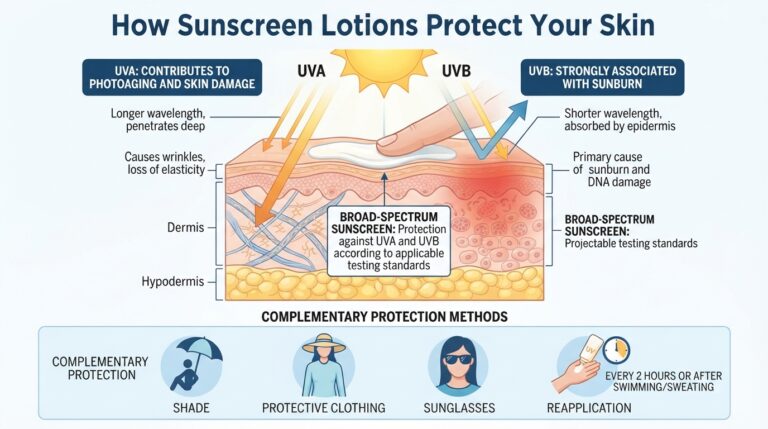
- Reapply every two hours or immediately after swimming or sweating.
- Don’t forget to cover often-overlooked areas like ears, feet, and the back of your neck.
Storage Considerations
Proper storage of sunscreen is essential, especially when traveling:
- Keep your sunscreen in a cool, dry place to maintain its effectiveness.
- Avoid exposing sunscreen to high temperatures, as this can impact its performance.
- Check expiration dates before packing to ensure maximum protection.
Conclusion
So, can you take aerosol sunscreen on a plane? Yes, but with specific restrictions that you need to follow. Understanding TSA regulations and exploring alternative sunscreen options can help ensure you stay protected from the sun during your travels. By planning ahead and applying sunscreen correctly, you can enjoy your vacation without worrying about sunburn. Remember, your skin deserves the best protection, so choose the right sunscreen and enjoy your time in the sun!