
The question of whether you can tan while wearing sunscreen often comes up during the sunny months. Many people wonder if sunscreen can prevent tanning or if it only protects against sunburn. In this article, we will explore the science behind sunscreen, its effectiveness, and how it relates to tanning.
Understanding Sunscreen
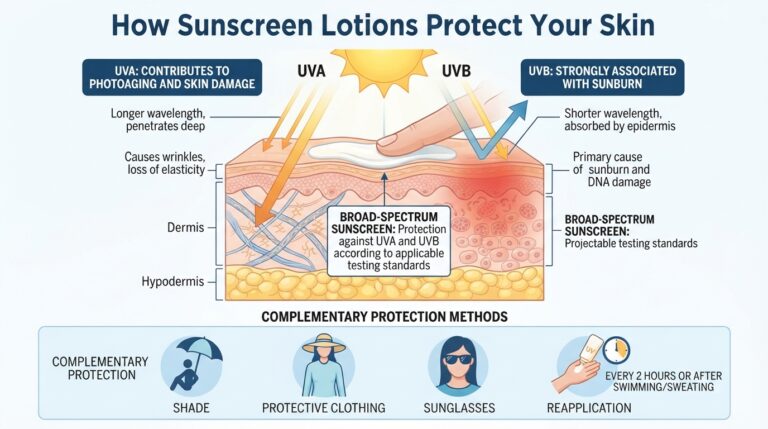
Sunscreen is a topical product designed to protect the skin from the sun’s harmful ultraviolet (UV) rays. These rays can cause skin damage, premature aging, and increase the risk of skin cancer. Sunscreen works by absorbing, reflecting, or scattering UV radiation, and it’s essential for anyone spending time outdoors.
Types of Sunscreen
There are two main types of sunscreen: chemical and physical (mineral) sunscreens. Understanding the differences between them can help you choose the right product for your needs.
- Chemical Sunscreen: These contain organic compounds that absorb UV radiation and convert it into heat, which is then released from the skin. Examples include avobenzone, octisalate, and octocrylene.
- Physical Sunscreen: These contain mineral ingredients like zinc oxide or titanium dioxide that sit on top of the skin and physically block UV rays. They tend to be less irritating for sensitive skin.
How Sunscreen Works Against UV Rays
When applied correctly, sunscreen can significantly reduce your skin’s exposure to UV radiation. However, no sunscreen can block 100% of UV rays. According to the Skin Cancer Foundation, broad-spectrum sunscreens with an SPF of 30 or higher are recommended for effective protection.
SPF Ratings Explained
SPF, or Sun Protection Factor, measures how well a sunscreen can protect your skin from UVB rays, which are primarily responsible for sunburn. For example:
- SPF 15 blocks about 93% of UVB rays.
- SPF 30 blocks about 97% of UVB rays.
- SPF 50 blocks about 98% of UVB rays.
While higher SPF numbers do provide more protection, no sunscreen can block all UV rays, meaning some tanning is still possible even when wearing sunscreen.
Can You Tan While Wearing Sunscreen?
The simple answer is yes, you can tan while wearing sunscreen. However, the extent to which you tan depends on several factors, including:
- Your skin type.
- The SPF of the sunscreen used.
- The amount and frequency of reapplication.
- Duration of sun exposure.
Skin Types and Tanning
Skin types vary significantly, and each type reacts differently to sun exposure. The Fitzpatrick scale categorizes skin into six types:
| Skin Type | Characteristics | Sunburn Reaction |
|---|---|---|
| Type I | Very fair, often with red or blonde hair | Always burns, never tans |
| Type II | Fair skin, light-colored eyes | Burns easily, tans minimally |
| Type III | Medium skin, sometimes tans | Burns moderately, tans gradually |
| Type IV | Olive skin | Burns minimally, tans easily |
| Type V | Brown skin | Rarely burns, tans easily |
| Type VI | Dark brown or black skin | Never burns, tans very easily |
Individuals with skin types I and II are more susceptible to burning, while those with types IV to VI may tan more easily even when using sunscreen.
Factors Influencing Tanning While Using Sunscreen
Several factors influence how much you tan while wearing sunscreen:
1. SPF Level
The higher the SPF, the less UV radiation penetrates your skin. However, some tanning may still occur, especially if you are using a lower SPF.
2. Application Amount
Most people do not apply enough sunscreen. The recommended amount is about one ounce (the size of a shot glass) for full-body coverage. Inadequate application increases the chances of tanning.
3. Reapplication Frequency
Sunscreen should be reapplied every two hours, or more frequently if swimming or sweating. Failing to reapply can lead to increased UV exposure and potential tanning.
4. Duration of Exposure
The longer you stay in the sun, the more likely you are to tan, even with sunscreen. It’s crucial to monitor your time outdoors and take breaks in the shade.
Tips for Safe Tanning
If you desire a tan while still protecting your skin, consider these safe tanning tips:
- Choose the Right Sunscreen: Opt for a broad-spectrum sunscreen with at least SPF 30.
- Apply Generously: Ensure an even layer of sunscreen is applied to all exposed skin.
- Reapply Regularly: Follow the recommendations for reapplication, especially after swimming or sweating.
- Limit Sun Exposure: Aim to tan during off-peak hours (before 10 AM and after 4 PM) to minimize UV exposure.
- Consider Self-Tanners: If you’re looking for a bronze glow without sun exposure, self-tanners or bronzers can provide a safe alternative.
Conclusion
In conclusion, you can indeed tan while wearing sunscreen, but the level of tanning will depend on various factors, including your skin type, the SPF level, and how you apply and reapply your sunscreen. Always remember that while tanning may be desirable for some, protecting your skin from harmful UV rays is paramount. By understanding the science of sunscreen and following safe tanning practices, you can enjoy the sun while minimizing risks to your skin.