
When it comes to enjoying the sun, many people wonder, can you tan with sunscreen? The answer may surprise you. Sunscreen is often viewed as a barrier against harmful UV rays, but its interaction with tanning is more nuanced than simply blocking the sun. In this comprehensive guide, we’ll explore the science behind tanning with sunscreen, its effectiveness, and how you can protect your skin while still enjoying that bronzed glow.
Understanding Tanning and UV Rays
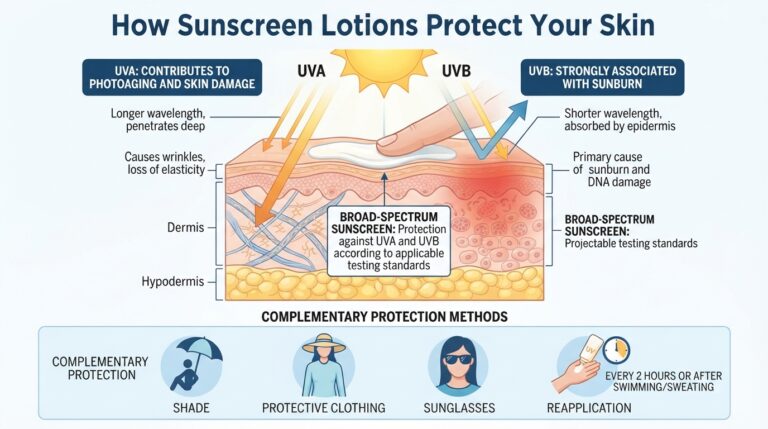
To delve deeper into whether you can tan with sunscreen, it’s essential to understand how tanning works. Tanning is essentially your skin’s response to UV radiation exposure. When UV rays penetrate the skin, they stimulate the production of melanin, the pigment responsible for skin color. The two primary types of UV rays are:
- UVA rays: These rays penetrate deeply into the skin and can cause long-term damage, including premature aging and skin cancer.
- UVB rays: These rays primarily affect the surface of the skin and are responsible for sunburn and the initial tanning response.
How Sunscreen Works
Sunscreen acts as a protective barrier against UV rays. It contains active ingredients that either absorb, reflect, or scatter UV radiation. Sunscreens are categorized into two types:
- Chemical Sunscreens: These absorb UV radiation and convert it into heat, which is then released from the skin.
- Physical (Mineral) Sunscreens: These sit on the skin’s surface and reflect UV rays away from the skin.
The Role of SPF
Sun Protection Factor (SPF) is a measure of how well a sunscreen protects against UVB rays. For example, if you typically burn after 10 minutes in the sun, wearing SPF 30 theoretically allows you to stay in the sun for 300 minutes without burning. However, this does not mean you are completely protected from tanning.
Can You Tan with Sunscreen?
The short answer is yes; you can still tan while wearing sunscreen. However, the degree of tanning you experience will depend on several factors:
- Type of Sunscreen Used: A higher SPF may reduce the amount of UV radiation that reaches your skin, which could limit tanning.
- Amount Applied: Most people do not apply enough sunscreen to achieve the level of protection indicated on the label. For effective protection, you should use about one ounce (a shot glass full) to cover your entire body.
- Duration of Sun Exposure: Longer exposure times will increase the likelihood of tanning, even with sunscreen.
- Skin Type: Individuals with lighter skin typically tan less than those with darker skin, even with sunscreen protection.
Factors That Influence Tanning
Several additional factors can affect your tanning process while using sunscreen:
- Time of Day: The sun’s rays are strongest between 10 a.m. and 4 p.m. Tanning during these hours can result in a deeper tan.
- Location: UV exposure is higher at higher altitudes and closer to the equator.
- Water and Sand Reflection: UV rays can reflect off surfaces like water and sand, increasing exposure.
The Benefits of Wearing Sunscreen
While you may achieve some level of tanning with sunscreen, the benefits of wearing it far outweigh the desire for a bronzed complexion. Here are some compelling reasons to always wear sunscreen:
- Reduces Risk of Skin Cancer: Regular use of sunscreen can decrease the risk of developing skin cancers, including melanoma.
- Prevents Premature Aging: Sunscreen helps prevent sunspots, wrinkles, and loss of skin elasticity.
- Protects Against Sunburn: Sunscreen significantly reduces the risk of painful sunburns.
- Maintains Even Skin Tone: Sunscreen helps prevent hyperpigmentation and uneven skin tone.
How to Use Sunscreen Effectively for Tanning
If you’re intent on tanning while keeping your skin protected, consider the following tips:
- Choose the Right Sunscreen: Opt for a broad-spectrum sunscreen with at least SPF 30.
- Apply Generously: Use enough sunscreen to cover all exposed skin. Take care to apply it to often-missed areas like the back of the neck, ears, and tops of feet.
- Reapply Regularly: Reapply every two hours, or immediately after swimming, sweating, or towel drying.
- Limit Time in the Sun: Aim for shorter periods of sun exposure, especially during peak hours.
- Consider Tanning Oils: Some products combine tanning oils with SPF. However, be cautious with these, as they may offer less protection.
Alternative Tanning Options
If you’re concerned about UV exposure but still desire a tan, consider alternatives such as:
- Self-Tanners: These products contain dihydroxyacetone (DHA), which reacts with the skin’s outer layer to create a temporary tan.
- Tanning Booths: UV tanning beds can provide a tan, but they come with significant health risks, including increased chances of skin cancer.
- Bronzing Lotions: These provide a temporary tint and wash off easily.
Common Myths About Sunscreen and Tanning
Misconceptions about sunscreen and tanning abound. Here are a few common myths debunked:
- Sunscreen Prevents Tanning: Many believe that sunscreen completely stops tanning, but it merely limits the amount of UV radiation that penetrates the skin.
- Only Fair Skin Needs Sunscreen: Everyone, regardless of skin tone, should wear sunscreen to protect against UV damage.
- Indoor Sunlight is Safe: UV rays can penetrate windows, making it essential to wear sunscreen indoors as well.
Conclusion
So, can you tan with sunscreen? The answer is yes, but with qualifications. While sunscreen reduces the amount of UV radiation that reaches your skin, it does not eliminate the possibility of tanning entirely. The key is to strike a balance between achieving that sun-kissed glow and protecting your skin from the harmful effects of UV rays. Always prioritize skin health, and remember that a gradual, safe tan is far better than risking sunburn or long-term skin damage. With the right approach, you can enjoy the sun responsibly, keeping your skin healthy and vibrant for years to come.