
When it comes to skin care, one question that often arises is, do black people use sunscreen? There is a common misconception that individuals with darker skin tones do not need sunscreen due to the natural protection provided by melanin. However, this belief can lead to serious skin health issues. In this article, we will explore the importance of sunscreen for all skin types, particularly for Black individuals, and debunk the myths that surround the topic.
The Science Behind Skin and Sunscreen
To understand why sunscreen is crucial for everyone, including Black individuals, we need to delve into how skin works and the role of ultraviolet (UV) rays.
Understanding Melanin
Melanin is the pigment responsible for skin color. While it does offer some protection against UV radiation, it does not provide complete immunity. Here are some key points to consider:
- Darker skin has a higher concentration of melanin, which can absorb and scatter UV rays more effectively than lighter skin.
- However, this does not eliminate the risk of skin damage; it simply reduces it.
- People with darker skin tones can still experience sunburn, skin cancer, and other skin-related issues.
Types of UV Rays
There are two primary types of UV rays that affect the skin:
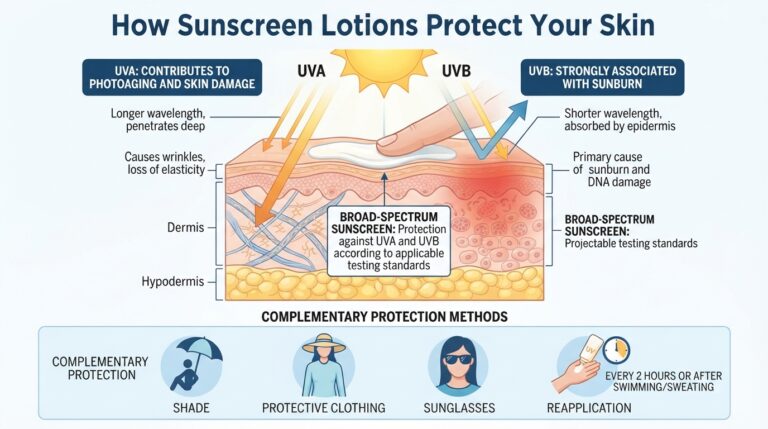
- UVA Rays: These rays penetrate deeply into the skin, leading to premature aging and increased risk of skin cancer.
- UVB Rays: These rays are responsible for sunburn and contribute to skin cancer development.
Both types can cause damage regardless of skin tone, making sunscreen an essential part of any skin care routine.
Myths About Sunscreen and Black Skin
Despite the benefits of sunscreen, several myths persist about its necessity for Black individuals. Let’s debunk some of the most common misconceptions.
Myth 1: Darker Skin Doesn’t Burn
While darker skin is less likely to burn compared to lighter skin, it can still experience sunburn. Studies have shown that Black individuals can suffer from sunburn, albeit less frequently. This is often due to the misconception that sunscreen is unnecessary.
Myth 2: Sunscreen Causes Breakouts
Some believe that sunscreen clogs pores and leads to breakouts. While certain formulations may not be suitable for all skin types, there are non-comedogenic options available that are safe for acne-prone skin.
Myth 3: SPF Only Matters in Summer
UV rays can penetrate clouds and affect your skin even on overcast days. Therefore, wearing sunscreen year-round is crucial, regardless of the season.
The Importance of Sunscreen for Black Skin
Using sunscreen is vital for maintaining skin health and preventing long-term damage. Here’s why:
Preventing Skin Cancer
While skin cancer is less common among Black individuals, it is often diagnosed at a later stage, leading to poorer outcomes. Regular use of sunscreen can help reduce the risk.
Maintaining Even Skin Tone
Sun exposure can lead to hyperpigmentation, which can affect skin tone. Sunscreen helps prevent dark spots and uneven skin tone, promoting a more uniform complexion.
Protecting Against Premature Aging
UV exposure contributes to the breakdown of collagen, leading to wrinkles and sagging skin. By using sunscreen regularly, individuals can help maintain skin elasticity and a youthful appearance.
Choosing the Right Sunscreen
When selecting a sunscreen, it’s essential to consider various factors to ensure it meets your skin’s needs. Here are some tips on how to choose the right sunscreen:
Look for Broad-Spectrum Protection
Always choose a sunscreen labeled as “broad-spectrum,” which protects against both UVA and UVB rays. This ensures comprehensive protection for your skin.
SPF Factor Matters
For everyday use, an SPF of at least 30 is recommended. Higher SPFs provide additional protection, but it’s crucial to apply enough product and reapply regularly.
Consider Skin Type
Different formulations cater to various skin types. Here are some options:
- Oily Skin: Look for gel-based or matte-finish sunscreens.
- Dry Skin: Cream-based sunscreens with hydrating ingredients are ideal.
- Sensitive Skin: Mineral-based sunscreens often contain fewer irritating ingredients.
How to Apply Sunscreen Effectively
Applying sunscreen correctly is essential for maximum protection. Follow these steps for proper application:
Step-by-Step Application
- Apply sunscreen 15-30 minutes before sun exposure.
- Use a generous amount; about one ounce (a shot glass full) is recommended for full body coverage.
- Don’t forget areas like your ears, back of the neck, and tops of your feet.
- Reapply every two hours, or immediately after swimming or sweating.
Make It Part of Your Daily Routine
Incorporating sunscreen into your daily routine can ensure consistent protection. Consider using moisturizers or makeup products that include SPF for added convenience.
Conclusion
In conclusion, the answer to the question, do black people use sunscreen, should be a resounding yes. Protective measures against UV rays are essential for everyone, regardless of skin tone. By debunking myths and understanding the science behind skin protection, we can promote healthier skin for all. Regular use of sunscreen not only helps prevent skin cancer but also maintains an even skin tone and combats premature aging. Make sunscreen a staple in your skin care routine, and enjoy the outdoors with confidence and safety.