

When it comes to skincare and makeup routines, a common question arises: do you put sunscreen on before or after primer? Understanding the correct order of application is crucial for achieving a flawless look while ensuring your skin receives the protection it needs from harmful UV rays. This article explores the importance of sunscreen, the role of primer, and the best practices for incorporating both into your daily routine.
The Importance of Sunscreen in Your Daily Routine
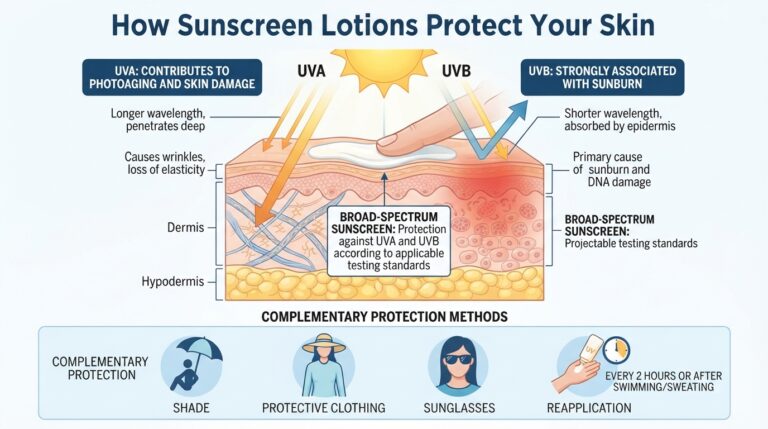
Sunscreen is an essential component of any skincare regimen. Its primary function is to protect your skin from the sun’s harmful ultraviolet (UV) rays, which can lead to premature aging, sunburn, and even skin cancer. Here are some key reasons why you should never skip sunscreen:
- Prevents Skin Damage: Regular use of sunscreen can significantly reduce the risk of sunburn and long-term skin damage.
- Reduces Aging Signs: Sunscreen helps prevent wrinkles and fine lines caused by sun exposure.
- Maintains Even Skin Tone: It helps prevent dark spots and discoloration, promoting a more uniform complexion.
- Supports Overall Skin Health: Sunscreen protects your skin’s barrier, keeping it healthy and hydrated.
Understanding Primer and Its Function
Primer is a makeup product that creates a smooth canvas for foundation and other cosmetics. It enhances the longevity of your makeup and can improve its overall appearance. Here’s how primer benefits your makeup routine:
- Smooths Skin Texture: Primer fills in fine lines and pores, creating a more even surface.
- Enhances Makeup Longevity: It helps your makeup stay put throughout the day.
- Controls Oil and Shine: Mattifying primers can help reduce excess oil and shine, especially in oily skin types.
- Improves Color Payoff: Primer can enhance the vibrancy of your makeup colors.
So, Do You Put Sunscreen on Before or After Primer?
The answer to whether you should apply sunscreen before or after primer is straightforward: always apply sunscreen first. Here’s why:
Layering for Protection
Sunscreen needs to be applied directly to clean, dry skin to be effective. When you apply primer over sunscreen, it creates a barrier that allows the sunscreen to work effectively without interference from makeup products. Following this order ensures that your skin is adequately protected from UV rays while still allowing for a smooth application of makeup.
How to Apply Sunscreen Correctly
For maximum effectiveness, consider the following tips when applying sunscreen:
- Choose the Right Sunscreen: Look for a broad-spectrum sunscreen with at least SPF 30.
- Apply Generously: Use about a nickel-sized amount for your face alone.
- Allow It to Absorb: Wait at least 5-10 minutes after applying sunscreen before moving on to primer.
- Don’t Forget Your Neck: Extend your sunscreen application to your neck and any exposed areas.
Integrating Primer into Your Routine
Once your sunscreen has absorbed into the skin, it’s time to apply your primer. Here’s how to do it effectively:
Steps to Apply Primer
- Use a Pea-Sized Amount: A little goes a long way with primer. Start small and add more if needed.
- Warm It Up: Rub the primer between your fingers to warm it up before applying.
- Focus on Problem Areas: Apply primer primarily to areas where you experience texture issues, such as the T-zone or where you have fine lines.
- Blend Evenly: Use your fingers, a brush, or a sponge for even application.
Types of Primers and Their Benefits
Different types of primers cater to various skin types and concerns. Here’s a quick breakdown:
| Type of Primer | Best For | Key Benefits |
|---|---|---|
| Matte Primer | Oily Skin | Controls shine and reduces oil |
| Hydrating Primer | Dry Skin | Provides moisture and glow |
| Pore-Filling Primer | Large Pores | Smooths and blurs imperfections |
| Color-Correcting Primer | Uneven Skin Tone | Neutralizes redness or dullness |
| Illuminating Primer | Dull Skin | Adds radiance and glow |
Can You Use Makeup with SPF Instead?
Some makeup products, like foundations and tinted moisturizers, contain SPF. However, relying solely on these products may not provide adequate sun protection. Here’s what you need to know:
- Layering is Key: If your makeup has SPF, it’s still important to apply a dedicated sunscreen underneath.
- Check the SPF Level: Ensure that the SPF in your makeup is at least 30 for effective protection.
- Reapplication: Remember that makeup with SPF may not last as long as traditional sunscreen, so consider reapplying as needed.
Final Thoughts
In conclusion, the correct order for applying sunscreen and primer is to put sunscreen on before primer. This ensures that your skin remains protected from UV rays while still allowing for a flawless makeup application. Prioritizing sunscreen in your daily routine is essential for maintaining healthy skin and preventing premature aging. By understanding the roles of both sunscreen and primer, you can create a makeup routine that not only looks good but also supports your skin’s health.
Now that you know the answer to the question, do you put sunscreen on before or after primer, make sure to incorporate these steps into your daily beauty regimen. Your skin will thank you!