
Many people wonder, does expired sunscreen work? As summer approaches and the sun shines brighter, it’s crucial to understand the effectiveness of sunscreen products, especially if you find an old bottle in your beach bag. This blog post will delve into the science behind sunscreen, the implications of using expired products, and how to ensure you are adequately protected from harmful UV rays.
The Importance of Sunscreen
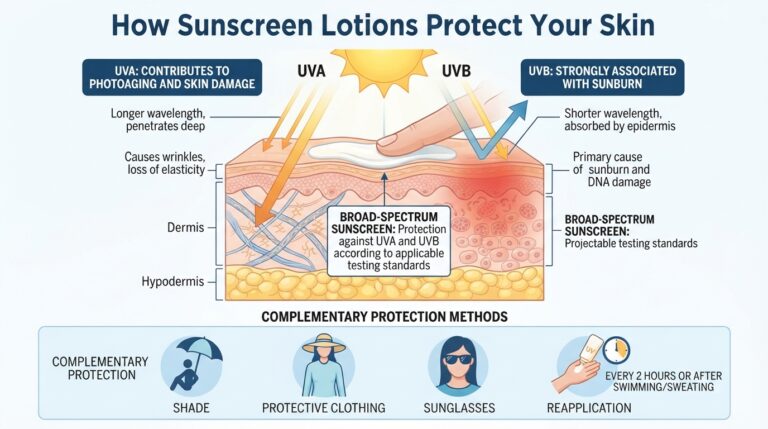
Before we dive into the specifics of expired sunscreen, let’s first discuss why sunscreen is essential. Sunscreen serves as a barrier against the sun’s ultraviolet (UV) rays, which can cause skin damage, premature aging, and increase the risk of skin cancer. According to the Skin Cancer Foundation, about 1 in 5 Americans will develop skin cancer in their lifetime. Using sunscreen significantly reduces this risk.
Understanding Sunscreen Ingredients
To comprehend the effects of expired sunscreen, it’s important to know the main ingredients involved:
- Physical (Mineral) Sunscreens: These contain active mineral ingredients such as zinc oxide or titanium dioxide that sit on top of the skin and reflect UV rays.
- Chemical Sunscreens: These absorb UV radiation and convert it into heat, which is then released from the skin. Common ingredients include avobenzone, octisalate, and octocrylene.
Both types of sunscreens are effective when used correctly, but their longevity can vary, especially after their expiration date.
The Shelf Life of Sunscreen
Most commercial sunscreens have a shelf life of about three years. However, this can vary based on several factors, including:
- Storage Conditions: Sunscreen should be stored in a cool, dry place away from direct sunlight. Heat and humidity can degrade its effectiveness.
- Packaging: Sunscreens in pump bottles may last longer than those in jars, as exposure to air and bacteria can affect their stability.
Always check for the expiration date on the packaging and follow the manufacturer’s guidelines for optimal use.
Does Expired Sunscreen Work?
So, does expired sunscreen work? The short answer is: it may not. While expired sunscreen may still provide some level of protection, it is likely to be less effective than a fresh product. Here’s why:
- Degradation of Active Ingredients: Over time, the active ingredients in sunscreen can break down and lose their efficacy. For instance, chemical filters can degrade and may not absorb UV rays as intended.
- Change in Consistency: Expired sunscreen may separate, become clumpy, or change in color and scent, indicating that it is no longer stable.
- Increased Risk of Skin Irritation: Using expired products can lead to skin irritation or allergic reactions, especially if the formulation has changed over time.
What Happens If You Use Expired Sunscreen?
Using expired sunscreen can expose you to harmful UV rays, leading to:
- Sunburn
- Skin damage
- Premature aging
- Increased risk of skin cancer
While it may not be immediately harmful to use expired sunscreen, the long-term consequences can be severe.
How to Tell If Your Sunscreen Is Still Good
Before applying sunscreen, consider these tips to assess its condition:
- Check the Expiration Date: Always look for the expiration date on the label. If it’s past this date, it’s best to discard it.
- Inspect the Texture: If the sunscreen has become thick, clumpy, or separated, it’s a sign that it has degraded.
- Smell Test: If the sunscreen has an unusual or rancid smell, it’s a clear indication that it should not be used.
Best Practices for Using Sunscreen
To ensure you are protected against UV rays, follow these best practices:
- Choose the Right SPF: Select a broad-spectrum sunscreen with an SPF of 30 or higher for adequate protection.
- Reapply Regularly: Reapply every two hours, or more frequently if swimming or sweating.
- Use Generously: Apply about one ounce (a shot glass full) of sunscreen to cover all exposed skin.
- Check Expiration Dates: Regularly go through your sunscreen stock and discard any expired products.
Alternatives to Sunscreen
In addition to sunscreen, consider these alternatives for sun protection:
- Protective Clothing: Wear long sleeves, hats, and UV-blocking sunglasses.
- Seek Shade: Avoid direct sunlight during peak hours (10 AM to 4 PM).
- Use SPF-Infused Makeup: Many cosmetics now include sun protection factors for added defense.
Conclusion
In conclusion, while you may wonder, does expired sunscreen work, the reality is that it may not provide the protection you need. To safeguard your skin from harmful UV rays, always use sunscreen before it expires, and follow best practices for application. Remember, protecting your skin is crucial not just for aesthetics, but for your overall health and well-being. Invest in new sunscreen, store it correctly, and enjoy the sun safely!