
As summer approaches and the sun shines brighter, many individuals reach for their sunscreen in preparation for outdoor activities. However, a common question arises: does mineral sunscreen expire? Understanding the shelf life of mineral sunscreen is essential for ensuring effective sun protection and skin health. In this comprehensive guide, we will explore the expiration of mineral sunscreen, factors affecting its longevity, and how to tell if your sunscreen is still effective.
What is Mineral Sunscreen?
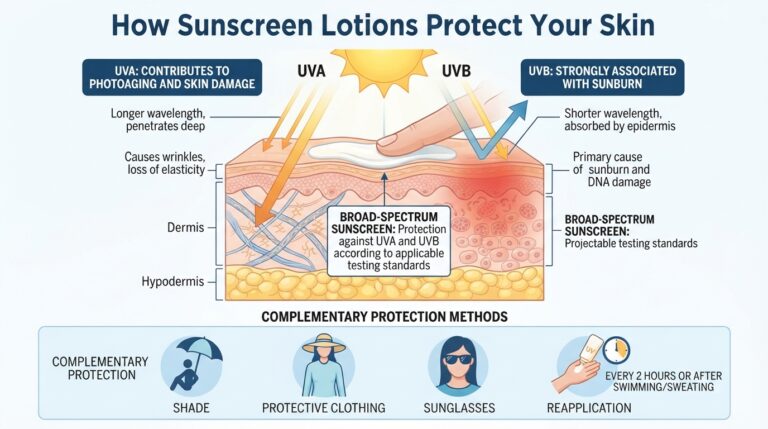
Mineral sunscreen, also known as physical sunscreen, uses natural minerals like zinc oxide and titanium dioxide to provide broad-spectrum protection against harmful UV rays. Unlike chemical sunscreens that absorb UV radiation, mineral sunscreens create a physical barrier on the skin. This makes them a popular choice for individuals with sensitive skin or those looking for a more natural option.
Understanding Sunscreen Expiration Dates
In the United States, the Food and Drug Administration (FDA) regulates the labeling of sunscreen products, including mineral sunscreen. Most sunscreens, including mineral types, are required to have an expiration date. This date indicates the period during which the product is guaranteed to maintain its stated SPF effectiveness and safety.
What Does the Expiration Date Mean?
The expiration date of mineral sunscreen is the manufacturer’s assurance that the product will perform as expected until that date, provided it is stored correctly. After this date, the sunscreen may not provide adequate protection against UV rays, increasing the risk of sunburn and skin damage.
Factors Affecting the Shelf Life of Mineral Sunscreen
Several factors can influence the shelf life of mineral sunscreen, including:
- Packaging: Sunscreens in opaque, airtight containers tend to have a longer shelf life as they are less exposed to air and light.
- Storage Conditions: Storing sunscreen in a cool, dry place away from direct sunlight helps maintain its stability. High temperatures can degrade the active ingredients.
- Use Frequency: Frequently opened products are more susceptible to contamination and degradation. Always ensure the cap is tightly closed after use.
How Long Does Mineral Sunscreen Last?
Generally, mineral sunscreens have a shelf life of about three years from the date of manufacture if stored properly. However, this can vary by brand, formulation, and storage conditions. Always check for an expiration date on the packaging, and if in doubt, follow these guidelines:
- Check the expiration date and discard any sunscreen past that date.
- If the sunscreen has changed in color, consistency, or smell, it’s best to throw it away.
- When in doubt, replace your sunscreen every three years, especially if it’s been opened.
Signs That Mineral Sunscreen Has Expired
Identifying whether your mineral sunscreen is still effective is crucial. Here are some signs that indicate your sunscreen may have expired:
- Change in Texture: If the sunscreen has become lumpy or separated, it’s time to discard it.
- Unpleasant Odor: A foul smell often indicates that the ingredients have degraded.
- Color Change: Any noticeable change in color can suggest that the product is no longer effective.
Importance of Using Effective Sunscreen
Using expired sunscreen can lead to serious consequences. Here are a few reasons why it’s crucial to use effective sunscreen:
- Skin Protection: Sunscreen helps prevent sunburn, which can lead to skin damage and increase the risk of skin cancer.
- Anti-Aging Benefits: Regular use of effective sunscreen can help delay signs of aging, such as wrinkles and fine lines.
- Overall Skin Health: Protecting your skin from UV damage contributes to overall skin health and prevents hyperpigmentation.
Best Practices for Storing and Using Mineral Sunscreen
To maximize the effectiveness of your mineral sunscreen, follow these best practices:
Storage Tips
- Store in a cool, dry place away from direct sunlight.
- Avoid leaving sunscreen in hot environments, such as a car, where temperatures can rise significantly.
Usage Tips
- Apply sunscreen generously and evenly to all exposed skin at least 15 minutes before sun exposure.
- Reapply every two hours or immediately after swimming or sweating.
- Use a sufficient amount—typically about an ounce (a shot glass full) for full body coverage.
Choosing the Right Mineral Sunscreen
When selecting a mineral sunscreen, consider the following factors to ensure you find a product that suits your needs:
- SPF Rating: Look for a broad-spectrum product with an SPF of at least 30 for adequate protection.
- Water Resistance: If you plan on swimming or sweating, choose a water-resistant formula.
- Ingredients: Opt for products with minimal additional ingredients, especially if you have sensitive skin.
Conclusion
Understanding whether mineral sunscreen expires is essential for maintaining effective sun protection. Always check the expiration date, observe signs of degradation, and replace your sunscreen as needed. By following best practices for storage and application, you can ensure that your skin remains protected from harmful UV rays. Remember, taking care of your skin today will pay off in the long run, so prioritize using effective sunscreen at all times.