
When it comes to skincare, understanding the interactions between various products is essential for optimal results. One common question that arises is: does sunscreen block red light therapy? This inquiry is particularly relevant for those who incorporate red light therapy into their skincare routine, as they want to maximize the benefits while ensuring skin protection. In this comprehensive guide, we will explore the science behind red light therapy, the role of sunscreen, and how to effectively combine these two elements for radiant skin.
Understanding Red Light Therapy
Red light therapy (RLT) is a non-invasive treatment that uses low levels of red or near-infrared light to stimulate cellular function. This therapy has gained popularity for its potential benefits, which include:
- Enhanced collagen production
- Improved skin tone and texture
- Reduction of fine lines and wrinkles
- Faster wound healing
- Alleviation of inflammation and pain
RLT works by penetrating the skin and promoting mitochondrial activity, which leads to increased energy production in cells. This process can rejuvenate skin and improve overall health. However, for optimal results, it is crucial to understand how external factors, such as sunscreen, might impact the efficacy of red light therapy.
The Role of Sunscreen in Skincare
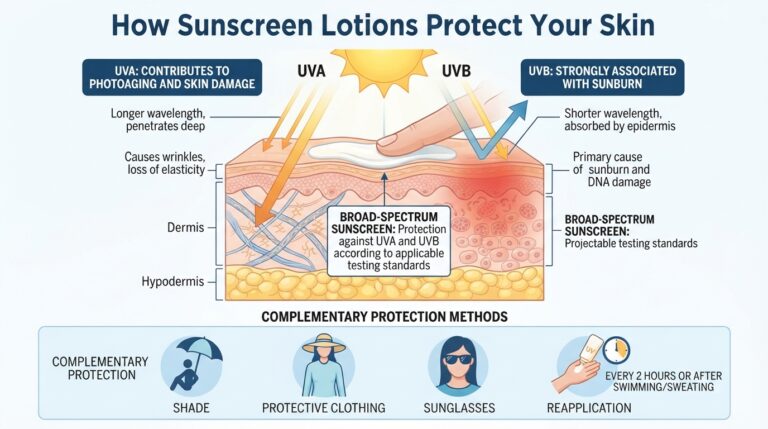
Sunscreen is a vital component of any skincare regimen, particularly for those concerned about sun damage and skin aging. It acts as a protective barrier against harmful ultraviolet (UV) rays, which can lead to:
- Skin cancer
- Premature aging
- Hyperpigmentation
- Sunburn
There are two main types of sunscreen:
Chemical Sunscreens
Chemical sunscreens absorb UV radiation through their chemical ingredients, converting it into heat, which is then released from the skin. Common ingredients include:
- Oxybenzone
- Avobenzone
- Octisalate
- Octocrylene
Physical (Mineral) Sunscreens
Physical sunscreens, on the other hand, contain active mineral ingredients like zinc oxide or titanium dioxide. These ingredients sit on the skin’s surface and reflect UV rays away from the skin.
Does Sunscreen Block Red Light Therapy?
The question of whether sunscreen blocks red light therapy depends largely on the type of sunscreen used and its formulation. Here are some key points to consider:
1. Absorption of Light
Chemical sunscreens can absorb specific wavelengths of light, which may include some of the wavelengths used in red light therapy. This absorption could theoretically reduce the effectiveness of RLT, as the light may not penetrate the skin as deeply.
2. Physical Blockage
Physical sunscreens contain minerals that may reflect or scatter light. While these ingredients are excellent for blocking UV rays, they might also impede the penetration of red light therapy. However, the extent of this blockage can vary based on the formulation and thickness of the sunscreen applied.
3. Thickness of Application
The thickness of the sunscreen layer can also play a role. A thick application may create a more significant barrier, potentially diminishing the effectiveness of red light therapy. If you’re using RLT, consider applying a thinner layer of sunscreen or allowing time for it to absorb before undergoing treatment.
Best Practices for Combining Sunscreen and Red Light Therapy
To maximize the benefits of both sunscreen and red light therapy, consider the following best practices:
1. Timing Matters
One effective approach is to separate the application of sunscreen and the use of red light therapy:
- Use red light therapy on clean, dry skin to ensure optimal penetration.
- After your RLT session, allow some time for your skin to breathe before applying sunscreen.
2. Choose the Right Sunscreen
Select a sunscreen that is compatible with your skincare routine. Look for options that are:
- Non-comedogenic
- Lightweight and easily absorbed
- Free from heavy mineral ingredients that may block light
3. Layering Products
When layering products, consider applying your moisturizer first, followed by a lightweight sunscreen. This method can help create a barrier without completely obstructing red light therapy.
Research on Sunscreen and Red Light Therapy
While anecdotal evidence and practical experiences suggest that sunscreens can affect red light therapy, scientific research specifically addressing this issue is limited. However, understanding both the mechanisms of RLT and the composition of sunscreens can guide users in making informed decisions.
Potential Alternatives to Traditional Sunscreen
If you are concerned about the interaction between sunscreen and red light therapy, consider the following alternatives:
- Tinted Moisturizers: Some tinted moisturizers contain mineral-based sunscreens that may provide adequate protection without significantly blocking RLT.
- SPF Makeup: Certain makeup products include SPF and can offer light protection without the heavy layers of traditional sunscreen.
- Post-RLT Application: Use sunscreen only after your red light therapy session to ensure that light can penetrate effectively.
Conclusion
In summary, the interaction between sunscreen and red light therapy raises valid concerns for those looking to maximize their skincare benefits. While it is possible that some sunscreens may block or diminish the effectiveness of red light therapy, selecting the right products and applying them at appropriate times can help mitigate these effects. Remember, protecting your skin from UV damage is crucial, so finding a balance between effective sun protection and skincare treatments is essential.
By understanding the nuances of both sunscreen and red light therapy, you can create a skincare routine that not only protects your skin but also promotes its health and vitality. Always consult with a skincare professional if you have specific concerns or conditions related to your skin.