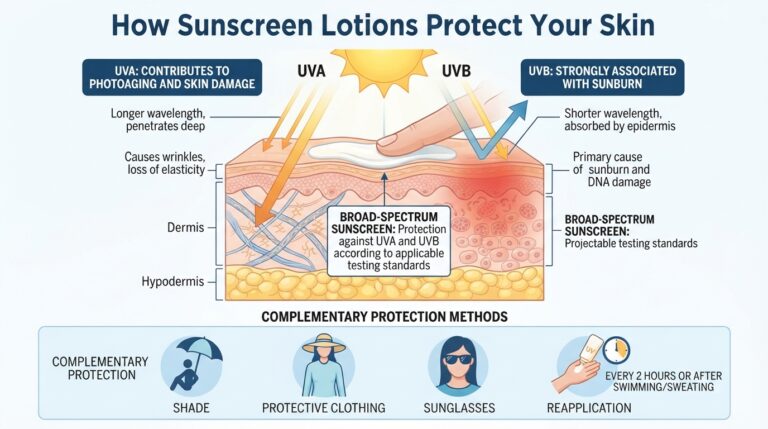


When it comes to skincare, one of the most frequently asked questions is, “Does sunscreen clog pores?” This concern is especially prevalent among individuals with oily or acne-prone skin. The good news is that with the right knowledge and product selection, you can enjoy the protective benefits of sunscreen without compromising your skin’s health.
The Importance of Sunscreen
Before diving into the specifics of whether sunscreen clogs pores, it’s essential to understand why sunscreen is a crucial part of any skincare routine. Sunscreen protects your skin from the harmful effects of UV radiation, which can lead to:
- Premature aging, such as wrinkles and fine lines
- Skin discoloration and sunspots
- Increased risk of skin cancer
- Damage to skin texture and tone
Using sunscreen daily can significantly reduce these risks and promote healthier skin over time. However, the fear of clogged pores can prevent some from applying sunscreen regularly.
Understanding Pore Clogging
What Causes Clogged Pores?
Clogged pores occur when excess oil, dead skin cells, and bacteria accumulate in hair follicles. This can lead to blackheads, whiteheads, and acne. Several factors contribute to clogged pores, including:
- Excessive oil production
- Improper cleansing habits
- Using comedogenic products
- Environmental factors, such as pollution
Understanding these factors is critical when choosing skincare products, including sunscreen.
Do All Sunscreens Clog Pores?
The answer to whether sunscreen clogs pores is not straightforward. Different formulations can affect various skin types differently. Here’s a breakdown:
| Sunscreen Type | Potential to Clog Pores | Best For |
|---|---|---|
| Cream-based | Higher chance if comedogenic ingredients are present | Dry skin |
| Gel-based | Lower chance, often non-comedogenic | Oily or acne-prone skin |
| Spray | Varies, check ingredients | All skin types |
| Mineral (Physical) | Low, generally non-comedogenic | Sensitive skin |
| Chemical | Varies, some may clog pores | Normal to dry skin |
As shown in the table, the type of sunscreen you choose can influence its likelihood of clogging pores. Always check the label for specific ingredients known to cause breakouts.
Choosing the Right Sunscreen for Your Skin Type
To avoid clogged pores while still protecting your skin from UV damage, consider the following tips when selecting sunscreen:
1. Look for Non-Comedogenic Formulas
Non-comedogenic products are specifically designed to not clog pores. These formulations are less likely to cause breakouts, making them an excellent choice for those with oily or acne-prone skin.
2. Consider Your Skin Type
Your skin type should influence your sunscreen choice:
- Oily skin: Opt for gel-based or water-based sunscreens.
- Dry skin: Cream-based sunscreens can provide extra hydration.
- Sensitive skin: Mineral sunscreens with zinc oxide or titanium dioxide are typically gentler.
3. Check Ingredients
Be wary of certain ingredients that are known to clog pores, such as:
- Petrolatum
- Coconut oil
- Shea butter
Instead, look for lighter oils like jojoba or squalane, which are less likely to cause breakouts.
4. Test Before Committing
If you’re unsure about a particular sunscreen, consider doing a patch test on a small area of your skin before applying it all over your face. This can help you determine if the product will cause breakouts or irritation.
Myths About Sunscreen and Clogged Pores
Several myths surround the topic of sunscreen and clogged pores. Let’s debunk some of the most common misconceptions:
Myth 1: All Sunscreens Are Bad for Oily Skin
This is not true; the key is choosing the right formulation. Many sunscreens are designed specifically for oily or acne-prone skin.
Myth 2: Sunscreen Isn’t Necessary on Cloudy Days
UV rays can penetrate cloud cover, so wearing sunscreen daily is crucial, regardless of the weather.
Myth 3: If I Don’t Break Out, My Sunscreen Is Fine
Even if you don’t experience immediate breakouts, some sunscreens can cause long-term skin issues. It’s essential to be proactive about your skincare choices.
Practical Tips for Using Sunscreen
Here are a few practical tips to ensure you’re using sunscreen effectively while minimizing the risk of clogged pores:
1. Apply Sunscreen Correctly
To maximize protection, apply sunscreen generously and evenly to all exposed skin. Make sure to:
- Use about a nickel-sized amount for your face.
- Apply it at least 15 minutes before sun exposure.
- Reapply every two hours, or more often if swimming or sweating.
2. Combine with Other Skincare Products
If you use other skincare products like moisturizers or serums, apply them in the correct order:
- Cleanser
- Toner (if used)
- Serum
- Moisturizer
- Sunscreen
3. Don’t Skip Nighttime Skincare
After a day in the sun, ensure you cleanse your skin thoroughly at night to remove any sunscreen residue, dirt, and oil. This helps prevent clogged pores and breakouts.
Conclusion
So, does sunscreen clog pores? The answer largely depends on the type of sunscreen you choose and your individual skin type. By selecting non-comedogenic products, understanding your skin’s needs, and following proper application methods, you can enjoy the protective benefits of sunscreen without worrying about clogged pores. Remember, protecting your skin from UV damage is essential for maintaining a healthy complexion, so don’t skip this crucial step in your skincare routine.