
In the world of skincare, one question often arises: does sunscreen go before moisturizer? The answer to this question may seem straightforward, but understanding the proper order of application is crucial for maximizing the benefits of your skincare routine. This article delves into the nuances of sunscreen and moisturizer application, ensuring your skin receives the protection and hydration it deserves.
The Importance of Sunscreen in Your Skincare Routine
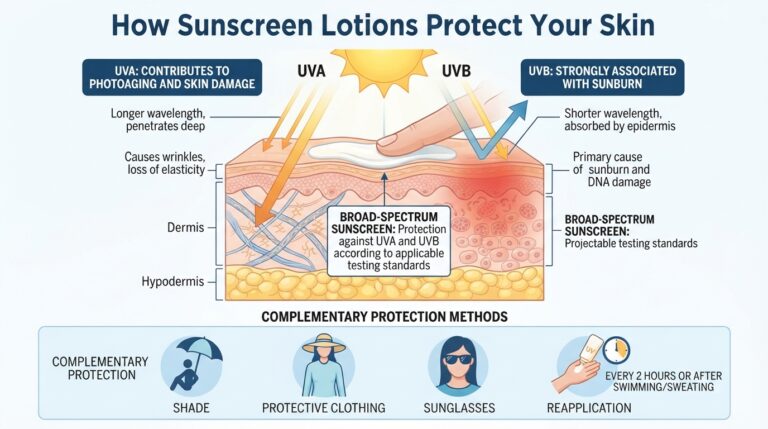
Sunscreen is a vital component of any skincare regimen. Its primary role is to protect your skin from the harmful ultraviolet (UV) rays of the sun, which can lead to various skin issues, including:
- Premature aging
- Sunburn
- Skin cancer
- Hyperpigmentation
According to the Skin Cancer Foundation, daily use of sunscreen can reduce the risk of developing skin cancer by up to 50%. Additionally, sunscreen helps maintain an even skin tone and prevents photoaging, making it an indispensable step in any skincare routine.
Moisturizer: Why It Matters
Moisturizer serves to hydrate and protect the skin barrier. Different types of moisturizers are designed to cater to various skin types, including:
- Gel-based moisturizers for oily skin
- Cream-based moisturizers for dry skin
- Lotions for combination skin
A good moisturizer can help:
- Retain moisture
- Soften skin
- Improve skin texture
- Enhance the effectiveness of other skincare products
Understanding the Correct Order of Application
Now that we understand the roles of both sunscreen and moisturizer, let’s address the main question: does sunscreen go before moisturizer? The general consensus among dermatologists is that sunscreen should be applied after moisturizer. This order ensures that the moisturizer penetrates the skin effectively while allowing the sunscreen to provide a protective barrier on top.
Why Apply Moisturizer First?
Applying moisturizer before sunscreen has several benefits:
- Hydration: Moisturizers need direct contact with the skin to hydrate effectively. Applying sunscreen first can create a barrier that prevents the moisturizer from fully absorbing.
- Even Coverage: By applying moisturizer first, you ensure that the sunscreen can evenly cover your entire face, enhancing its effectiveness.
- Texture and Finish: Moisturizers often contain emollients that can create a smooth base for sunscreen application, leading to a more even and aesthetically pleasing finish.
How to Apply Sunscreen and Moisturizer
To ensure you’re applying these products correctly, follow this simple step-by-step guide:
- Cleanse: Start with a clean face to remove any dirt or oil.
- Apply Moisturizer: Use a suitable amount of moisturizer for your skin type. Gently massage it into your skin, ensuring it absorbs fully.
- Wait: Allow the moisturizer to absorb for a few minutes. This step is crucial for maximizing hydration.
- Apply Sunscreen: Use a broad-spectrum sunscreen with an SPF of at least 30. Apply generously and evenly over your face and neck.
- Reapply: Remember to reapply sunscreen every two hours, especially if you’re spending time outdoors or sweating.
Choosing the Right Products
When selecting your moisturizer and sunscreen, consider the following factors:
| Skin Type | Recommended Moisturizer | Recommended Sunscreen |
|---|---|---|
| Oily | Oil-free gel or lotion | Matte finish, non-comedogenic |
| Dry | Rich cream or balm | Hydrating, cream-based |
| Combination | Lightweight lotion | Broad-spectrum, lightweight |
| Sensitive | Fragrance-free, hypoallergenic | Mineral-based, fragrance-free |
Common Myths About Sunscreen and Moisturizer
There are several misconceptions surrounding the use of sunscreen and moisturizer. Let’s debunk a few:
- Myth 1: Sunscreen is only necessary on sunny days.
Fact: UV rays can penetrate clouds and affect your skin year-round. - Myth 2: If my moisturizer has SPF, I don’t need separate sunscreen.
Fact: Most moisturizers with SPF do not provide adequate protection for extended sun exposure. - Myth 3: Applying sunscreen once is enough for the entire day.
Fact: Sunscreen should be reapplied every two hours for maximum effectiveness.
Additional Tips for Effective Sunscreen and Moisturizer Use
To further enhance the effectiveness of your skincare routine, consider the following tips:
- Use a broad-spectrum sunscreen that protects against both UVA and UVB rays.
- Don’t forget areas like your ears, neck, and the back of your hands when applying sunscreen.
- Consider using a tinted moisturizer with SPF for an added layer of protection and a natural glow.
- If you wear makeup, consider a setting spray or powder with SPF for easy reapplication throughout the day.
Conclusion: Prioritize Your Skin Health
In summary, the correct order of application is to apply moisturizer first, followed by sunscreen. This approach ensures your skin is hydrated and protected effectively. By prioritizing both hydration and sun protection in your skincare routine, you’re taking essential steps toward maintaining healthy, youthful skin. Remember, consistency is key, so make these practices a daily habit for the best results.
Now that you know the answer to whether sunscreen goes before moisturizer, it’s time to put this knowledge into action. Invest in quality products suited to your skin type and enjoy the benefits of a well-protected and hydrated complexion.